White House accuses Chinese Moonshot AI model of stealing US technology
The White House has accused a Chinese AI startup called Moonshot AI of stealing proprietary U.S. technology to develop its latest AI model, Kimi K3, amid escalating competition between Washington and Beijing in advanced AI advancement. U.S.officials claim Moonshot AI engaged in large-scale distillation, using outputs from U.S.-based models like Anthropic’s Fable to train its own models covertly and avoid detection. This practice raises concerns about intellectual property theft and unfair competition.
Moonshot AI’s Kimi K3 has gained prominence as a major competitor to American AI systems, achieving top rankings in benchmarks such as front-end coding, comparable to models like Anthropic’s Claude Fable 5 and OpenAI’s GPT-5. The U.S. government emphasizes support for fair AI development but condemns covert efforts to steal technology, reflecting broader tensions and efforts to restrict Chinese access to advanced AI innovations. The situation has led to increased regulatory scrutiny and actions aimed at protecting U.S. intellectual property and research integrity in the competitive global AI race.
The White House on Wednesday accused Chinese artificial intelligence startup Moonshot AI of stealing proprietary U.S. technology to develop its latest AI model, as Washington and Beijing compete for dominance in the advancing technology.
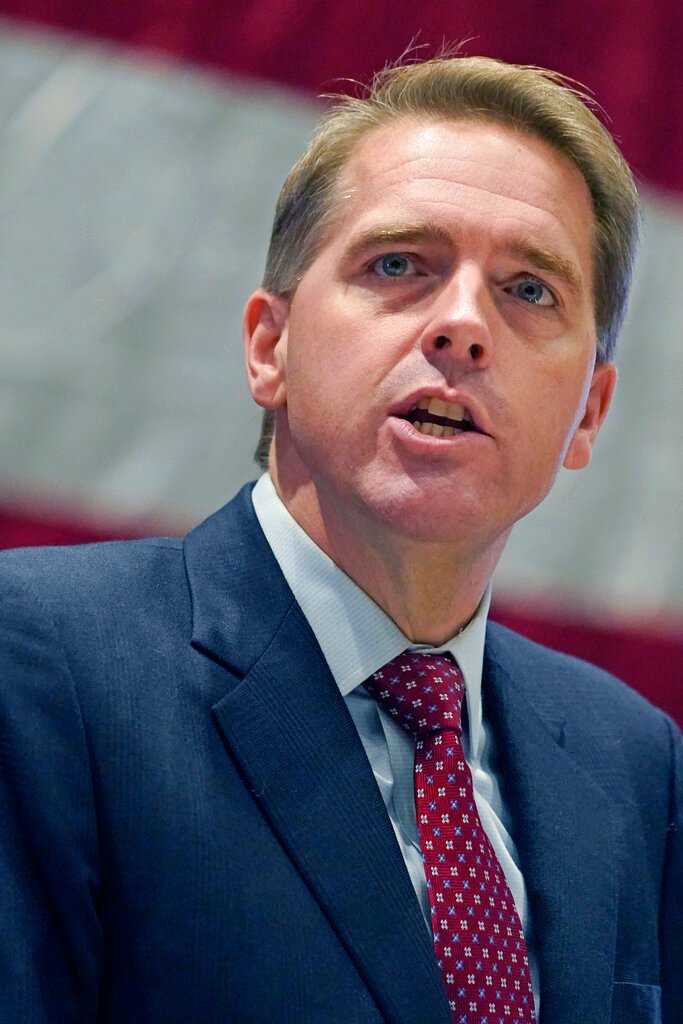
“We have information that Moonshot AI distilled Anthropic’s Fable for the development of its K3 model,” Michael Kratsios, director of the White House Office of Science and Technology Policy, said in a post on X. “To do this they developed a sophisticated internal platform to conduct large-scale distillation against U.S. models, allowing them to quickly switch between multiple methods of access to avoid detection.”
Recommended Stories
Distillation allows developers to train a new AI model using the outputs of a more capable model, enabling it to replicate many of its abilities.
Kratsios emphasized that the United States supports the free and fair development of AI and thriving competitive ecosystems, but added that “large-scale, covert industrial distillation aimed at stealing proprietary U.S. technology and undermining American research is unacceptable.”
The allegations come as Moonshot AI’s newest model, Kimi K3, has emerged as one of China’s strongest competitors to leading American AI systems. The model performs near the level of Anthropic’s Claude Fable 5 and OpenAI’s GPT-5.6 Sol on several industry benchmarks and ranks first in front-end coding performance, according to Arena AI rankings.
OPINION | TRUMP SEES THE CHINA THREAT: AMERICA MUST DO ‘WHATEVER IT TAKES’ TO WIN AI RACE
“This is concerning. For the first time, a Chinese model Kimi K3 has taken #1 on the Frontend Code Arena and is scoring at or near the frontier on other benchmarks,” David Sacks, chairman of the White House’s technology council and Silicon Valley venture capitalist, said on X. “Meanwhile America is tying itself in knots: politicians and bureaucrats are banning new data centers, piling on state regulations, and pushing for new federal agencies to pre-approve frontier models.”
The allegations come amid broader efforts by the Trump administration to restrict China’s access to cutting-edge AI technology. Earlier this month, the administration temporarily pressured Anthropic to suspend global access to its Claude Fable 5 and Mythos 5 models following a China-linked hacking incident before later lifting the export restrictions.
" Conservative News Daily does not always share or support the views and opinions expressed here; they are just those of the writer."
*As an Amazon Associate I earn from qualifying purchases