Twenty-four states sue to block USPS mail-in ballot rule ahead of November elections
A coalition of 24 Democratic-led states and Washington, D.C., filed a lawsuit against the U.S. Postal Service to block new mail-in ballot safeguards from being implemented before the November midterm elections. The states argue that the new rules exceed executive authority, conflict with federal law, and infringe on states’ constitutional powers to run elections. They warn that rushing the implementation could disrupt election preparations and disenfranchise voters. The rule, initiated under an executive order by President Trump, requires ballot envelopes to have tracking features like barcodes and mandates that voters’ ballot recipient information be submitted via an online portal to improve clarity and security. The states contend that complying would impose significant costs and administrative burdens on election officials. the lawsuit, led by California’s Attorney General Rob Bonta, includes 24 states and aims to prevent the ruleS enforcement before the elections. Meanwhile, the Supreme Court recently allowed key provisions of Trump’s executive order to stay in effect, without ruling on their legality, and a federal judge lifted her previous injunction against the Postal service rule, permitting further legal challenges to proceed. the legal battle is set to continue, with the states seeking expedited review to block the rule ahead of the upcoming elections.
A coalition of 24 Democrat-led states and Washington, D.C., sued the U.S. Postal Service on Wednesday, seeking to block new mail-in ballot safeguards from taking effect before November’s midterm elections.
The lawsuit, filed in federal court in Massachusetts, argues that the rule exceeds executive authority, conflicts with federal law, and intrudes on states’ constitutional power to administer elections. The states also warned that implementing the changes on a compressed timeline could disrupt election preparations and risk disenfranchising eligible voters.
Recommended Stories
“The Rule violates the Constitution and federal statutes many times over,” the state attorneys general wrote in a new 53-page complaint led by California Attorney General Rob Bonta, a Democrat, accusing the Postal Service of displacing state election laws and disregarding procedural and privacy requirements.
The rule implements parts of an executive order President Donald Trump signed in March. The administration says the overhaul will strengthen election integrity by making ballot mail easier to track and helping authorities identify potentially suspicious activity.
“This mail-in voting rule is an unlawful overreach that shows just how far President Trump will go to control elections,” said Bonta, who is also running for reelection this year. “[T]his fight is far from over and we are confident that the facts and the law are on our side.”
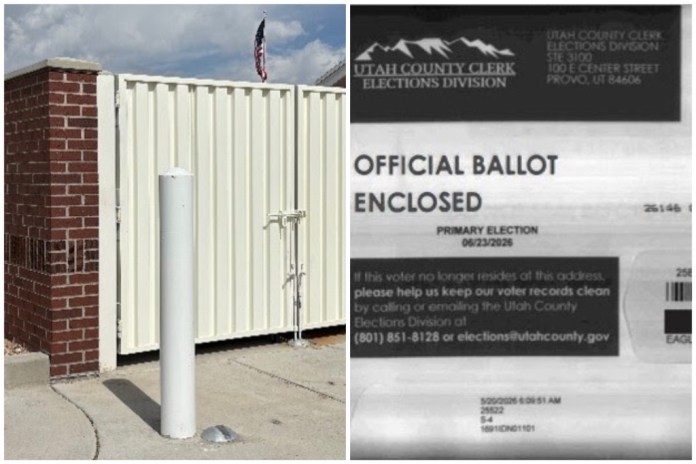
The newly published rule requires certain design features for ballot envelopes, including trackable barcodes, and directs state election officials to submit the names and addresses of intended mail-in ballot recipients through an online portal with the purpose of making elections more secure.
Those voters would be added to state-specific “Mail-In and Absentee Participation” lists. According to the Postal Service, the system is intended to give election officials and law enforcement a clearer picture of who may have received a ballot and help them identify anomalous incidents warranting further investigation.
The requirements could provide greater uniformity and visibility across mail-voting systems that currently vary by state. The Postal Service emphasized that it would not determine voter eligibility, maintain voter rolls, or count ballots, leaving those responsibilities with state and local election officials.
But the states contend that complying with the rule would require them to redesign ballot envelopes, obtain Postal Service approval, and quickly develop systems for transmitting voter information. Officials would also need to conduct training and educate voters, all at significant cost, the lawsuit said.
Twenty-four attorneys general signed on to the complaint, representing Arizona, California, Colorado, Connecticut, Delaware, Hawaii, Illinois, Maine, Maryland, Massachusetts, Michigan, Minnesota, Nevada, New Jersey, New Mexico, New York, North Carolina, Oregon, Rhode Island, Vermont, Virginia, Washington, Wisconsin, and the District of Columbia. Pennsylvania was the only participating state not represented by its attorney general, with Democratic Gov. Josh Shapiro instead named as a plaintiff.
The challenge follows a Supreme Court decision on Monday that halted a lower-court injunction blocking key provisions of Trump’s executive order. That decision rested on procedural grounds, with the majority concluding that the earlier case was filed before the Postal Service issued a final rule.
The justices stressed that their decision did not determine whether the government’s eventual implementation measures would be lawful.
“On that score, time will tell,” the unsigned decision said.
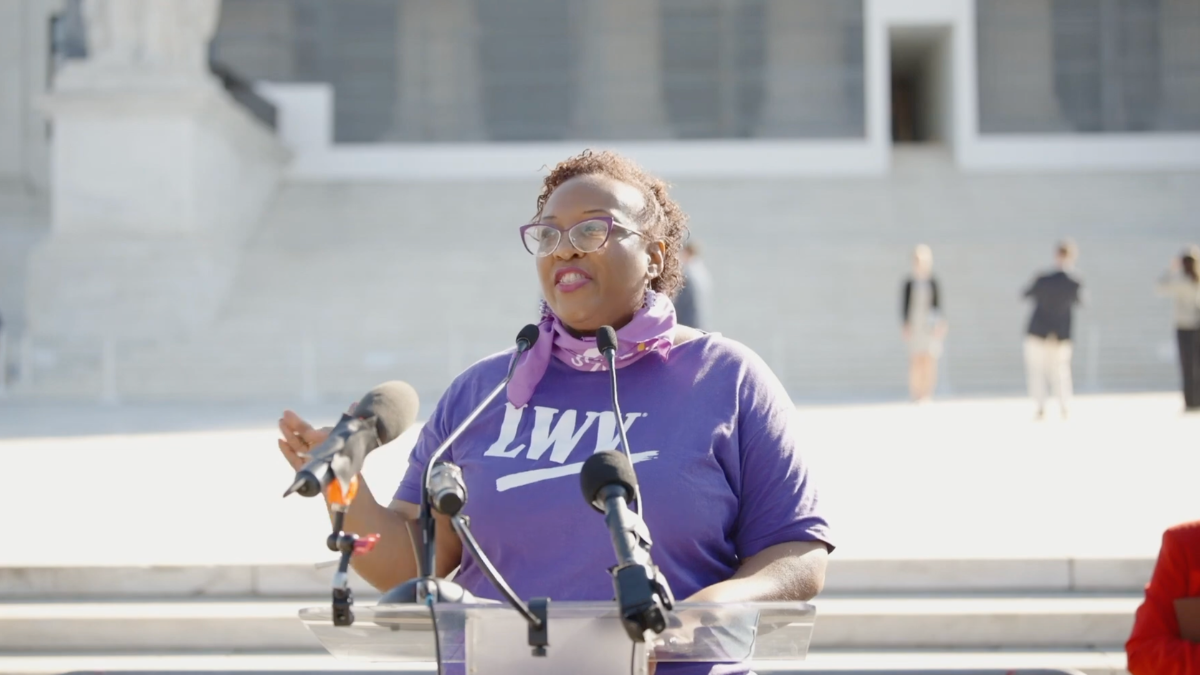
U.S. District Judge Indira Talwani separately lifted her remaining injunction against the executive order on Wednesday, finding that the Supreme Court’s procedural reasoning applied to the separate case before her, known as League of Women Voters of Massachusetts v. Donald Trump.
Talwani, an appointee of former President Barack Obama, allowed the voting-rights groups that brought the case to amend their complaint and seek a new order against the now-final Postal Service rule, clearing the way for courts to consider the policy’s legality on the merits.
JUDGE SAYS USPS VIOLATED MAIL-BALLOT ORDER BUT WON’T BLOCK RULE PUBLICATION
Talwani is also the judge who has been assigned to handle the new lawsuit, known as State of California v. United States Postal Service.
Now that the rule is final, the states are seeking expedited consideration and an order blocking its enforcement. Democratic campaign committees and voting-rights organizations are still pursuing separate challenges, setting up an accelerated legal fight less than three months before Election Day.
" Conservative News Daily does not always share or support the views and opinions expressed here; they are just those of the writer."
*As an Amazon Associate I earn from qualifying purchases