Deprecated: Optional parameter $headers declared before required parameter $body is implicitly treated as a required parameter in /var/www/html/breaking-news/wp-content/plugins/auto-robot-pro/includes/jobs/class-openai-job.php on line 316
| Conservative News Daily™

Tag: china

  • US prohibits specific imports from China over forced labor allegations – Washington Examiner

    US prohibits specific imports from China over forced labor allegations – Washington Examiner

    The United States has implemented a ban on imports from two Chinese companies, Changzhou Guanghui Food Ingredients Co., Ltd. and Baowu Group Xinjiang Bayi Iron ‌and Steel Co., Ltd., due to⁢ allegations of forced ‍labor involving Uyghurs in China’s Xinjiang region. This action was ​announced by the Department of Homeland Security ‍(DHS) as part‌ of the Uyghur⁣ Forced Labor Prevention Act ⁣(UFLPA), which suggests that most goods from Xinjiang are produced using forced labor. DHS Secretary Alejandro Mayorkas stated that ⁢the UFLPA is a key measure in combating forced labor ⁤and ‌ensuring⁤ the U.S. does not support such practices.⁣ The ban applies to various ⁢industries, ⁤including steel and artificial sweeteners, ​and enforcements will be executed by U.S. Customs and Border Protection ‌starting October 3. ⁤The UFLPA aims to encourage businesses to⁤ scrutinize their supply‌ chains and‍ prevent complicity in ‌forced labor within their operations.


    US bans certain imports from China due to accusations of forced labor

    The United States will prohibit imports from two companies in China that are accused of using forced labor of Uyghurs in the country’s Xinjiang region.

    The Department of Homeland Security announced on Wednesday that it added Changzhou Guanghui Food Ingredients Co., Ltd. and Baowu Group Xinjiang Bayi Iron and Steel Co., Ltd., companies that manufacture artificial sweeteners and steel, to the Uyghur Forced Labor Prevention Act Entity List. This legislation made it U.S. policy to operate under the belief that the majority of, if not all, goods from Xinjiang are made through the use of forced labor of Uyghurs, a minority ethnic group in China. 

    “The Uyghur Forced Labor Prevention Act is the Biden-Harris Administration’s most powerful tool to combat forced labor and hold its perpetrators to account,” said Secretary of Homeland Security Alejandro Mayorkas.

    By refusing imports from the region, the UFLPA ensures that the United States is not complicit in funding such companies. In July, the U.S. government prioritized companies that produce seafood, aluminum, and PVC to the list, bringing the total number of entities to 75, the Department of Homeland Security noted in a press release. The ban will be enforced by U.S. Customs and Border Protection and go into effect starting Oct. 3.

    “The UFLPA is catalyzing American businesses to fully examine and assess their supply chains and setting a new standard for our international partners as we work together to eradicate forced labor from the global economy,” Mayorkas said. “The Department of Homeland Security will continue to add exploitative companies to the UFLPA Entity List, enforce the law, and uphold the values of the United States.”

    The UFLPA Entity List currently comprises manufacturing companies that produce plastics, chemicals, batteries, electronics, agriculture, and household products, among other things, the DHS reported. Wednesday’s actions by DHS were the first time steel and an artificial sweetener company was added to the list. 

    “Identifying these additional entities provides U.S. importers with more information to conduct due diligence and examine their supply chains for risks of forced labor to ensure compliance with the UFLPA,” noted the press release.

    “Today’s actions reaffirm our commitment to eliminating forced labor from U.S. supply chains and upholding our values of human rights for all,” said Robert Silvers, DHS undersecretary for policy. “No sector is off-limits. We will continue to identify entities across industries and hold accountable those who seek to profit from exploitation and abuse.”

    The UFLPA was signed into law by President Joe Biden on Dec. 23, 2001, and went into effect on June 21, 2022. The law was in response to widespread allegations of abuse by the Chinese government of Uyghurs and other Muslim minorities, according to the Associated Press. China has denied all accusations of wrongdoing and abuse.
  • US prohibits specific imports from China over forced labor allegations – Washington Examiner

    US prohibits specific imports from China over forced labor allegations – Washington Examiner

    The United States has⁣ implemented a ban on imports from two Chinese companies—Changzhou Guanghui Food Ingredients Co., Ltd. and Baowu Group Xinjiang Bayi Iron and Steel Co., Ltd.—due to‌ allegations of ⁣forced⁢ labor ⁢involving Uyghurs in Xinjiang. This action follows‌ the Uyghur Forced Labor Prevention Act‌ (UFLPA), which operates under the assumption that most‌ goods⁣ produced in Xinjiang are made using‍ forced labor. ⁢The Department of Homeland Security⁣ (DHS) announced that these companies⁢ have ‌been ⁣added to⁣ the UFLPA Entity List ‌as part of ongoing efforts to combat forced labor. ‍Secretary ​of Homeland Security Alejandro Mayorkas emphasized the importance of the UFLPA in⁣ holding perpetrators accountable ​and ensuring U.S. businesses do not contribute to ‍this issue by examining their ​supply chains. The ban will ‌commence on October 3⁢ and is aimed⁢ at ⁣promoting‍ ethical sourcing and setting ⁤a precedent for international collaboration against forced‍ labor.


    US bans certain imports from China due to accusations of forced labor

    The United States will prohibit imports from two companies in China that are accused of using forced labor of Uyghurs in the country’s Xinjiang region.

    The Department of Homeland Security announced on Wednesday that it added Changzhou Guanghui Food Ingredients Co., Ltd. and Baowu Group Xinjiang Bayi Iron and Steel Co., Ltd., companies that manufacture artificial sweeteners and steel, to the Uyghur Forced Labor Prevention Act Entity List. This legislation made it U.S. policy to operate under the belief that the majority of, if not all, goods from Xinjiang are made through the use of forced labor of Uyghurs, a minority ethnic group in China. 

    “The Uyghur Forced Labor Prevention Act is the Biden-Harris Administration’s most powerful tool to combat forced labor and hold its perpetrators to account,” said Secretary of Homeland Security Alejandro Mayorkas.

    By refusing imports from the region, the UFLPA ensures that the United States is not complicit in funding such companies. In July, the U.S. government prioritized companies that produce seafood, aluminum, and PVC to the list, bringing the total number of entities to 75, the Department of Homeland Security noted in a press release. The ban will be enforced by U.S. Customs and Border Protection and go into effect starting Oct. 3.

    “The UFLPA is catalyzing American businesses to fully examine and assess their supply chains and setting a new standard for our international partners as we work together to eradicate forced labor from the global economy,” Mayorkas said. “The Department of Homeland Security will continue to add exploitative companies to the UFLPA Entity List, enforce the law, and uphold the values of the United States.”

    The UFLPA Entity List currently comprises manufacturing companies that produce plastics, chemicals, batteries, electronics, agriculture, and household products, among other things, the DHS reported. Wednesday’s actions by DHS were the first time steel and an artificial sweetener company was added to the list. 

    “Identifying these additional entities provides U.S. importers with more information to conduct due diligence and examine their supply chains for risks of forced labor to ensure compliance with the UFLPA,” noted the press release.

    “Today’s actions reaffirm our commitment to eliminating forced labor from U.S. supply chains and upholding our values of human rights for all,” said Robert Silvers, DHS undersecretary for policy. “No sector is off-limits. We will continue to identify entities across industries and hold accountable those who seek to profit from exploitation and abuse.”

    The UFLPA was signed into law by President Joe Biden on Dec. 23, 2001, and went into effect on June 21, 2022. The law was in response to widespread allegations of abuse by the Chinese government of Uyghurs and other Muslim minorities, according to the Associated Press. China has denied all accusations of wrongdoing and abuse.

  • US prohibits specific imports from China over forced labor allegations – Washington Examiner

    US prohibits specific imports from China over forced labor allegations – Washington Examiner

    The United States has implemented ‍a‌ ban on imports from two Chinese companies,​ Changzhou Guanghui Food Ingredients ‌Co., Ltd. ‍and Baowu Group Xinjiang Bayi Iron and ‌Steel Co., Ltd., due to⁣ allegations ⁤of forced labor involving Uyghurs in⁤ Xinjiang. This action ⁢was ​announced by the ⁢Department of Homeland Security (DHS), which ⁢added these‌ companies to the Uyghur Forced Labor Prevention Act (UFLPA) Entity List.‌ The ​UFLPA, a key initiative of the Biden-Harris Administration, operates under ‍the presumption that ‍goods from Xinjiang‍ are largely produced‍ through forced ⁣labor.​ Secretary of Homeland ⁢Security Alejandro Mayorkas emphasized that the UFLPA‌ is an essential tool ⁤in combating forced labor and ensuring the ⁤U.S. does not ⁢inadvertently support exploitative ⁢practices. The ban will take effect on October 3 and is part of⁣ a broader effort by U.S. ‌authorities to scrutinize supply chains and‌ hold​ companies accountable for labor‌ practices, with a ⁣current list⁢ that includes⁢ various industries beyond just the newly banned steel and sweetener producers.


    US bans certain imports from China due to accusations of forced labor

    The United States will prohibit imports from two companies in China that are accused of using forced labor of Uyghurs in the country’s Xinjiang region.

    The Department of Homeland Security announced on Wednesday that it added Changzhou Guanghui Food Ingredients Co., Ltd. and Baowu Group Xinjiang Bayi Iron and Steel Co., Ltd., companies that manufacture artificial sweeteners and steel, to the Uyghur Forced Labor Prevention Act Entity List. This legislation made it U.S. policy to operate under the belief that the majority of, if not all, goods from Xinjiang are made through the use of forced labor of Uyghurs, a minority ethnic group in China. 

    “The Uyghur Forced Labor Prevention Act is the Biden-Harris Administration’s most powerful tool to combat forced labor and hold its perpetrators to account,” said Secretary of Homeland Security Alejandro Mayorkas.

    By refusing imports from the region, the UFLPA ensures that the United States is not complicit in funding such companies. In July, the U.S. government prioritized companies that produce seafood, aluminum, and PVC to the list, bringing the total number of entities to 75, the Department of Homeland Security noted in a press release. The ban will be enforced by U.S. Customs and Border Protection and go into effect starting Oct. 3.

    “The UFLPA is catalyzing American businesses to fully examine and assess their supply chains and setting a new standard for our international partners as we work together to eradicate forced labor from the global economy,” Mayorkas said. “The Department of Homeland Security will continue to add exploitative companies to the UFLPA Entity List, enforce the law, and uphold the values of the United States.”

    The UFLPA Entity List currently comprises manufacturing companies that produce plastics, chemicals, batteries, electronics, agriculture, and household products, among other things, the DHS reported. Wednesday’s actions by DHS were the first time steel and an artificial sweetener company was added to the list. 

    “Identifying these additional entities provides U.S. importers with more information to conduct due diligence and examine their supply chains for risks of forced labor to ensure compliance with the UFLPA,” noted the press release.

    “Today’s actions reaffirm our commitment to eliminating forced labor from U.S. supply chains and upholding our values of human rights for all,” said Robert Silvers, DHS undersecretary for policy. “No sector is off-limits. We will continue to identify entities across industries and hold accountable those who seek to profit from exploitation and abuse.”

    The UFLPA was signed into law by President Joe Biden on Dec. 23, 2001, and went into effect on June 21, 2022. The law was in response to widespread allegations of abuse by the Chinese government of Uyghurs and other Muslim minorities, according to the Associated Press. China has denied all accusations of wrongdoing and abuse.
  • US prohibits specific imports from China over forced labor allegations – Washington Examiner

    US prohibits specific imports from China over forced labor allegations – Washington Examiner

    The recent actions⁣ by the U.S. Department of Homeland Security (DHS) reflect a significant step in combating forced labor ⁣practices⁤ linked to‍ the Uyghur ‌minority in China’s Xinjiang region. As of‍ October 3, 2024, imports from ‍two Chinese companies—Changzhou Guanghui Food ​Ingredients Co.,⁣ Ltd., which produces artificial⁣ sweeteners, and Baowu Group Xinjiang Bayi Iron and Steel Co., Ltd., a⁤ steel manufacturer—have been banned under the Uyghur Forced Labor ‌Prevention Act (UFLPA). This legislation⁢ operates under the presumption that nearly all goods from ⁢Xinjiang are​ produced using forced‌ labor.

    Secretary ⁤of Homeland Security Alejandro Mayorkas stated that the UFLPA represents‌ a critical tool ⁤for the Biden administration​ in addressing and ⁣reducing forced ‍labor in international supply chains. This​ action is part of⁢ a ⁣broader⁣ initiative⁣ that has now removed a total ‍of 75 entities​ from the ability to ‍export goods to the U.S. as a method ‍to ⁤ensure American businesses are​ not ⁣indirectly involved ⁣in these human rights abuses.

    Additional efforts ‌to ⁣enforce the ban will‍ be managed by U.S. Customs and Border⁢ Protection, as the U.S. aims to set new international standards against forced labor⁤ and ⁢foster compliance ⁣among ⁤businesses regarding their supply chains. The ⁢UFLPA currently⁣ targets various industries, including ‌plastics, ‍chemicals, and ‍now, for the‍ first time, steel and artificial sweeteners, as part of a comprehensive approach to combat labor ⁤abuses globally.


    US bans certain imports from China due to accusations of forced labor

    The United States will prohibit imports from two companies in China that are accused of using forced labor of Uyghurs in the country’s Xinjiang region.

    The Department of Homeland Security announced on Wednesday that it added Changzhou Guanghui Food Ingredients Co., Ltd. and Baowu Group Xinjiang Bayi Iron and Steel Co., Ltd., companies that manufacture artificial sweeteners and steel, to the Uyghur Forced Labor Prevention Act Entity List. This legislation made it U.S. policy to operate under the belief that the majority of, if not all, goods from Xinjiang are made through the use of forced labor of Uyghurs, a minority ethnic group in China. 

    “The Uyghur Forced Labor Prevention Act is the Biden-Harris Administration’s most powerful tool to combat forced labor and hold its perpetrators to account,” said Secretary of Homeland Security Alejandro Mayorkas.

    By refusing imports from the region, the UFLPA ensures that the United States is not complicit in funding such companies. In July, the U.S. government prioritized companies that produce seafood, aluminum, and PVC to the list, bringing the total number of entities to 75, the Department of Homeland Security noted in a press release. The ban will be enforced by U.S. Customs and Border Protection and go into effect starting Oct. 3.

    “The UFLPA is catalyzing American businesses to fully examine and assess their supply chains and setting a new standard for our international partners as we work together to eradicate forced labor from the global economy,” Mayorkas said. “The Department of Homeland Security will continue to add exploitative companies to the UFLPA Entity List, enforce the law, and uphold the values of the United States.”

    The UFLPA Entity List currently comprises manufacturing companies that produce plastics, chemicals, batteries, electronics, agriculture, and household products, among other things, the DHS reported. Wednesday’s actions by DHS were the first time steel and an artificial sweetener company was added to the list. 

    “Identifying these additional entities provides U.S. importers with more information to conduct due diligence and examine their supply chains for risks of forced labor to ensure compliance with the UFLPA,” noted the press release.

    “Today’s actions reaffirm our commitment to eliminating forced labor from U.S. supply chains and upholding our values of human rights for all,” said Robert Silvers, DHS undersecretary for policy. “No sector is off-limits. We will continue to identify entities across industries and hold accountable those who seek to profit from exploitation and abuse.”

    The UFLPA was signed into law by President Joe Biden on Dec. 23, 2001, and went into effect on June 21, 2022. The law was in response to widespread allegations of abuse by the Chinese government of Uyghurs and other Muslim minorities, according to the Associated Press. China has denied all accusations of wrongdoing and abuse.

  • US prohibits specific imports from China over forced labor allegations – Washington Examiner

    US prohibits specific imports from China over forced labor allegations – Washington Examiner

    The United States has implemented a ban on imports from two Chinese companies, Changzhou⁤ Guanghui Food Ingredients Co., ​Ltd.​ and Baowu Group Xinjiang Bayi Iron⁣ and Steel‍ Co., ⁢Ltd., due to allegations of ⁤using forced labor from Uyghurs in Xinjiang. This ⁤decision came ‌from​ the Department of Homeland Security (DHS), which added‌ these companies ⁢to the Uyghur Forced Labor Prevention Act (UFLPA) ⁢Entity ‌List. The UFLPA operates under the ‍premise that most, ‌if⁣ not all, goods from Xinjiang are produced ⁢with forced labor. Secretary of Homeland Security⁤ Alejandro Mayorkas emphasized the act as a vital tool ‌in combating forced labor and ensuring that the‌ U.S. does not support ​such companies ‌financially. The ban, effective on October 3,‍ is part of ⁤an⁤ ongoing effort to scrutinize supply chains‌ and⁢ promote ethical labor practices globally. The UFLPA Entity List⁢ now contains companies involved in various sectors, with this​ being the first instance of steel and ‌artificial sweetener manufacturers being included. The DHS plans to continue expanding the ⁣list to eliminate exploitative⁢ practices in the economy.


    US bans certain imports from China due to accusations of forced labor

    The United States will prohibit imports from two companies in China that are accused of using forced labor of Uyghurs in the country’s Xinjiang region.

    The Department of Homeland Security announced on Wednesday that it added Changzhou Guanghui Food Ingredients Co., Ltd. and Baowu Group Xinjiang Bayi Iron and Steel Co., Ltd., companies that manufacture artificial sweeteners and steel, to the Uyghur Forced Labor Prevention Act Entity List. This legislation made it U.S. policy to operate under the belief that the majority of, if not all, goods from Xinjiang are made through the use of forced labor of Uyghurs, a minority ethnic group in China. 

    “The Uyghur Forced Labor Prevention Act is the Biden-Harris Administration’s most powerful tool to combat forced labor and hold its perpetrators to account,” said Secretary of Homeland Security Alejandro Mayorkas.

    By refusing imports from the region, the UFLPA ensures that the United States is not complicit in funding such companies. In July, the U.S. government prioritized companies that produce seafood, aluminum, and PVC to the list, bringing the total number of entities to 75, the Department of Homeland Security noted in a press release. The ban will be enforced by U.S. Customs and Border Protection and go into effect starting Oct. 3.

    “The UFLPA is catalyzing American businesses to fully examine and assess their supply chains and setting a new standard for our international partners as we work together to eradicate forced labor from the global economy,” Mayorkas said. “The Department of Homeland Security will continue to add exploitative companies to the UFLPA Entity List, enforce the law, and uphold the values of the United States.”

    The UFLPA Entity List currently comprises manufacturing companies that produce plastics, chemicals, batteries, electronics, agriculture, and household products, among other things, the DHS reported. Wednesday’s actions by DHS were the first time steel and an artificial sweetener company was added to the list. 

    “Identifying these additional entities provides U.S. importers with more information to conduct due diligence and examine their supply chains for risks of forced labor to ensure compliance with the UFLPA,” noted the press release.

    “Today’s actions reaffirm our commitment to eliminating forced labor from U.S. supply chains and upholding our values of human rights for all,” said Robert Silvers, DHS undersecretary for policy. “No sector is off-limits. We will continue to identify entities across industries and hold accountable those who seek to profit from exploitation and abuse.”

    The UFLPA was signed into law by President Joe Biden on Dec. 23, 2001, and went into effect on June 21, 2022. The law was in response to widespread allegations of abuse by the Chinese government of Uyghurs and other Muslim minorities, according to the Associated Press. China has denied all accusations of wrongdoing and abuse.

  • US prohibits specific imports from China over forced labor allegations – Washington Examiner

    US prohibits specific imports from China over forced labor allegations – Washington Examiner

    The United States has announced a ban on imports ‌from two Chinese companies, Changzhou Guanghui Food Ingredients Co.,‍ Ltd. and Baowu Group Xinjiang Bayi ⁤Iron and Steel Co., Ltd., due to ⁤allegations of forced labor involving Uyghurs in the Xinjiang region. The Department of Homeland Security (DHS) added these companies to the ‌Uyghur Forced Labor Prevention Act ⁤(UFLPA) Entity List, which operates under the presumption that most goods from Xinjiang are produced under forced labor conditions. DHS‍ Secretary ⁢Alejandro Mayorkas emphasized that the UFLPA is a key⁢ tool for combating forced labor and⁣ ensuring that the U.S. does not support such practices financially. This import ban, which will take effect on October 3, aims to encourage American businesses to scrutinize their supply chains and sets a precedent for international collaboration ⁢against forced labor. The UFLPA​ Entity List has expanded to include various industries, with the addition of steel and sweetener manufacturers marking its latest enforcement actions.


    US bans certain imports from China due to accusations of forced labor

    The United States will prohibit imports from two companies in China that are accused of using forced labor of Uyghurs in the country’s Xinjiang region.

    The Department of Homeland Security announced on Wednesday that it added Changzhou Guanghui Food Ingredients Co., Ltd. and Baowu Group Xinjiang Bayi Iron and Steel Co., Ltd., companies that manufacture artificial sweeteners and steel, to the Uyghur Forced Labor Prevention Act Entity List. This legislation made it U.S. policy to operate under the belief that the majority of, if not all, goods from Xinjiang are made through the use of forced labor of Uyghurs, a minority ethnic group in China. 

    “The Uyghur Forced Labor Prevention Act is the Biden-Harris Administration’s most powerful tool to combat forced labor and hold its perpetrators to account,” said Secretary of Homeland Security Alejandro Mayorkas.

    By refusing imports from the region, the UFLPA ensures that the United States is not complicit in funding such companies. In July, the U.S. government prioritized companies that produce seafood, aluminum, and PVC to the list, bringing the total number of entities to 75, the Department of Homeland Security noted in a press release. The ban will be enforced by U.S. Customs and Border Protection and go into effect starting Oct. 3.

    “The UFLPA is catalyzing American businesses to fully examine and assess their supply chains and setting a new standard for our international partners as we work together to eradicate forced labor from the global economy,” Mayorkas said. “The Department of Homeland Security will continue to add exploitative companies to the UFLPA Entity List, enforce the law, and uphold the values of the United States.”

    The UFLPA Entity List currently comprises manufacturing companies that produce plastics, chemicals, batteries, electronics, agriculture, and household products, among other things, the DHS reported. Wednesday’s actions by DHS were the first time steel and an artificial sweetener company was added to the list. 

    “Identifying these additional entities provides U.S. importers with more information to conduct due diligence and examine their supply chains for risks of forced labor to ensure compliance with the UFLPA,” noted the press release.

    “Today’s actions reaffirm our commitment to eliminating forced labor from U.S. supply chains and upholding our values of human rights for all,” said Robert Silvers, DHS undersecretary for policy. “No sector is off-limits. We will continue to identify entities across industries and hold accountable those who seek to profit from exploitation and abuse.”

    The UFLPA was signed into law by President Joe Biden on Dec. 23, 2001, and went into effect on June 21, 2022. The law was in response to widespread allegations of abuse by the Chinese government of Uyghurs and other Muslim minorities, according to the Associated Press. China has denied all accusations of wrongdoing and abuse.

  • Chinese Man Goes on Horrific Stabbing Rampage at Day Care: Zurich Police

    Chinese Man Goes on Horrific Stabbing Rampage at Day Care: Zurich Police

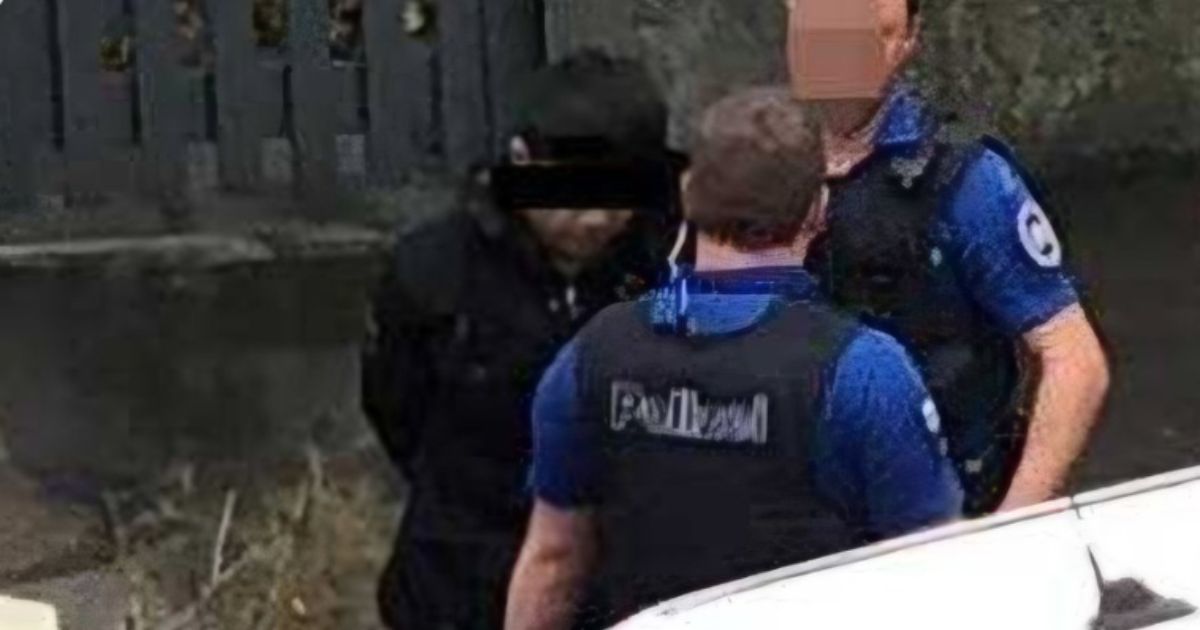
    On Tuesday, a knife attack occurred ⁢outside a day care center in Zurich, Switzerland, leaving three 5-year-old boys ⁤injured, one critically. The⁣ attacker,⁢ a 23-year-old Chinese man, was apprehended by⁤ a female staff ⁤member ‌from the day care and another bystander before emergency services ‍arrived. The incident took place ⁣near the⁣ Bernina ⁣shopping center around ‍noon, as⁣ the children were walking with the ​staff member. ‍The injured were provided first‍ aid at the scene and then transported to a hospital. ‌Swiss​ authorities reported a rise in serious violent crimes, emphasizing concerns about public safety, especially for vulnerable ‍groups such as children. This incident adds​ to⁢ a troubling‌ trend of knife attacks against children in ​Europe,​ including a recent attack‌ in Southport, England, and another in Annecy, ‍France.


    Several children were wounded by a knife-wielding man outside a day care center Tuesday in Zurich, Switzerland.

    Swiss news outlet The Local reported that three children, all 5-year-old boys, were injured, one seriously, in the attack.

    “Police said a 23-year-old Chinese man was arrested and taken to a police station,” The Local reported.

    The incident happened around noon local time near the Bernina shopping center in the Oerlikon neighborhood, according to a BBC report.

    The children, accompanied by a day care staff member, were walking toward the center when the assault began.

    A news release by the Zurich City Police said the female day care worker “reacted immediately and overpowered the attacker with the help of another man and held the suspected perpetrator until the emergency services arrived.”

    Emergency crews provided first aid to the injured boys before they were transported to a hospital.

    Investigators from the police department and public prosecutor’s office were at the scene.

    “The Zurich City Police’s psychological service and a care team were also deployed to look after the people involved,” according to the police report.

    “Photos published by local Swiss news media showed swarms of law enforcement officers and several ambulances around the child care facility in Zurich, the largest city in Switzerland,” the New York Times reported.

    “The local media reported that the police were escorting parents to the child care facility and that some of the officers were heavily armed.”

    Serious violent crimes have increased in recent years, according to a report on 2023 crime statistics by the Swiss government.

    “The total of 2,057 serious violent crimes registered (+5.9 percent) is the highest figure since the introduction of statistics in 2009,” the report noted.

    European countries have been shocked by several notorious stabbing attacks targeting children in recent years.

    In July, three children were killed and eight others injured in a stabbing attack in Southport, England.

    In June 2023, a Syrian refugee was arrested in Annecy, France, after an attack at a playground left several people, including two children, injured.


    Advertise with The Western Journal and reach millions of highly engaged readers, while supporting our work. Advertise Today.

  • Tim Walz misrepresented his time in China – Washington Examiner

    Tim Walz misrepresented his time in China – Washington Examiner

    Minnesota Governor Tim Walz, a Democratic vice presidential nominee, has come under scrutiny for misrepresentations regarding his experiences in China. He has claimed to have traveled to China 30 times and to have witnessed the Chinese Communist Party’s ⁤crackdown on Tiananmen Square protests in ​1989. However, records‍ indicate that he was actually in Nebraska during that time. Additionally, Walz’s campaign later clarified ​that‌ he has visited China closer to 15 ⁢times.

    His previous claims about his military service and political background have also faced criticism, and he is currently being ⁢investigated by⁣ Congress for his connections to China. This investigation follows the revelation that Walz aided in⁤ securing funding for a Minnesota research facility collaborating⁤ with the Wuhan Institute of ‌Virology. The scrutiny surrounding him is intensifying as more inconsistencies ⁤in his statements come to light.


    Tim Walz misrepresented his time in China

    Gov. Tim Walz (D-MN) has touted traveling to China 30 times and being in Hong Kong when the Chinese Communist Party cracked down on student protests in 1989. But public records and a new statement from the Democratic vice presidential nominee’s campaign tell another story.

    As a then-congressman in 2014, Walz described what he said was his proximity to the 1989 Tiananmen Square massacre, a story that has since been picked up by national media outlets. The 2024 running mate of Vice President Kamala Harris, moreover, previously said that he has taken 30 trips to China — a country Walz insisted in 2016 does not need “to [have] an adversarial relationship” with the United States.

    However, contemporaneous news reports from 1989 indicate that Walz was in Nebraska, his home state, as the massacre unfolded, Minnesota Public Radio reported this week. Walz would go on to teach at a school in Guangdong, China. And contrary to Walz’s claim that he has visited China 30 times, the Harris-Walz campaign told Minnesota Public Radio that he has actually been to the country “closer to 15 times.”

    “I still remember the train station in Hong Kong,” Walz said at a 2014 event in commemoration of the 25th anniversary of the Tiananmen Square massacre.

    “There was a large number of, especially European, I think, very angry that we would still go after what had happened, but it was my belief at that time that the diplomacy was going to happen on many levels,” Walz said at the 2014 event.

    News of the holes in Walz’s resume comes as the vice presidential nominee faces scrutiny over many other parts of his background that appear to have been embellished. Walz’s telling of his 2004 political origin story at a GOP rally contains significant inaccuracies, and he has come under fire from combat veterans over false claims about his military service, among other matters.

    Meanwhile, Walz’s “extensive” ties to China are at the heart of an investigation in Congress led by House Oversight Committee Chairman James Comer (R-KY). The Republican issued a subpoena to Homeland Security Secretary Alejandro Mayorkas this week for records on those ties, claiming he spoke to a whistleblower who described a group chat with DHS employees titled “NST NFT Bi-Weekly Sync” that “contains information about Gov. Walz that is relevant to the committee’s investigation.”

    In September, Comer requested documents from the FBI on Walz’s connections to China. He cited a Washington Examiner report detailing how as Minnesota governor, Walz helped secure funding for a Minnesota-based research center that works with the Wuhan Institute of Virology in Wuhan, China.

    The Kentucky Republican had cited in his FBI letter how Walz previously organized a partially CCP-sponsored trip to China for his students as a high school teacher in Minnesota. Walz also had a teaching fellowship until 2007 at China’s Macau Polytechnic University, the New York Post reported. The university embraces the Belt and Road Initiative, a program and key part of Chinese President Xi Jinping’s foreign influence efforts.

    On Tuesday evening, Walz will face off in a debate against Sen. J.D. Vance (R-OH), the running mate of former President Donald Trump. Vance is aiming to tee off on Walz over discrepancies regarding Walz’s touted past, according to a source familiar with the preparations.

    “I think the focus will be more on his mischaracterizations of his military record, but it’s clearly a pattern of behavior in all aspects of his life,” the source said.

    The Harris-Walz campaign did not return a request for comment.

  • China Rushes to Cover Up Humiliating Loss of Nuclear Submarine, But They Weren’t Quick Enough

    China Rushes to Cover Up Humiliating Loss of Nuclear Submarine, But They Weren’t Quick Enough

    The article discusses a ‌recent incident⁤ involving⁤ a Chinese nuclear-powered submarine that⁢ sank at ‍a shipyard near Wuhan. ⁣This ⁤event allegedly occurred around May⁢ or June and ‌was not officially reported by⁤ the Chinese military or local authorities. ‍The submarine, ⁢a Zhou-class vessel, was the first of its kind, and its loss has been highlighted through satellite imagery, leading to speculation about potential cover-ups. ​Former U.S. ⁣submarine officer ​Thomas Shugart pointed out anomalies in the satellite images ‍that suggested something unusual ⁣had taken place at the shipyard.

    The implications ⁢of the sinking are significant for the Chinese navy, particularly as it⁢ prepares⁢ for potential ‍conflicts, notably concerning Taiwan, ⁢which China views ‍as a breakaway province. Experts suggest that even though the ​submarine might have been raised, it would require extensive repairs and possibly face⁣ challenges addressing the root cause of its sinking,​ be it‍ human error or structural flaws. The article ‍underscores the vulnerability⁢ of China’s‍ naval capabilities at ⁣a time of increasing regional tensions.


    In my youth, I ordered a cheap inflatable canoe from China. The vessel’s maiden voyage ended in disaster just 50 yards from the shore, when the placid waters of the Little Maumelle River proved too much for the rapidly-deflating canoe.

    While this inland naval disaster appears to be a problem with the quality of the country’s exports, recent events have shown that the Chinese People’s Liberation Army Navy suffers from similar sinking problems.

    And Beijing didn’t lose an inflatable dinghy to Davy Jones’ Locker, but its newest nuclear-powered attack submarine.

    Attempts to cover up the humiliating loss have now been exposed by satellite imagery.

    According to the Wall Street Journal, a Zhou-class submarine, the first of its kind, sank at a shipyard near Wuhan. It’s believed the vessel sank in May or June.

    The loss was not announced by the Chinese military or local officials, two groups that are still silent on the incident.

    Former U.S. submarine officer Thomas Shugart appears to be one of the first to publicly post about something strange happening in the Yangtze River.

    “I recently acquired some updated imagery from Wuchang Shipyard in Wuhan – China’s primary shipyard for non-nuclear submarine construction,” Shugart wrote on the social media platform X on July 16. “It appears there may have been something…odd going on there in June.”

    Shugart noted the location was where he originally spotted a submarine, which he then identified through grainy satellite imagery as a potential diesel-electric Yuan-class vessel.

    He followed up the post with newer satellite images showing crane barges clustered around the location where the submarine had been. The floating pier now seemed to be moved aside, and Shugart noted something “roughly submarine-sized” that the cranes appeared to be working on.

    United States government officials are unsure whether the submarine had nuclear fuel on board, but experts cited by the Wall Street Journal said it was likely.

    Although the sub now appears to have been raised, Shugart told WSJ that the vessel is nowhere near seaworthy.

    “The whole boat would be full of water. You’d have to clean out all the electronics. The electric motors may need to be replaced,” he said. “It would be a lot of work.”

    Even a complete refit of the submarine would not address whatever originally caused the sinking.

    Whereas a human error such as an open hatch could be an easy fix (by sending the offending sailor to one of China’s re-education camps, for instance), a technical or structural flaw may prove to be much more difficult to address.

    The sinking is a major blow for the Chinese navy, which is expected to play a major part in a potential war over the communist superpower’s mortal enemy, the Taiwan-based Republic of China.

    The island, just a stone’s throw away from the mainland People’s Republic of China, is a favorite target of Beijing, which considers it a rebellious and wayward province.

    In the event of a war, United States forces are poised to help Taiwan’s defenders cast off any invaders who set foot on the island.


    Advertise with The Western Journal and reach millions of highly engaged readers, while supporting our work. Advertise Today.

  • Why It’s Terrifying That China’s Nuclear Capabilities Have Lapped The United States 

    Why It’s Terrifying That China’s Nuclear Capabilities Have Lapped The United States 

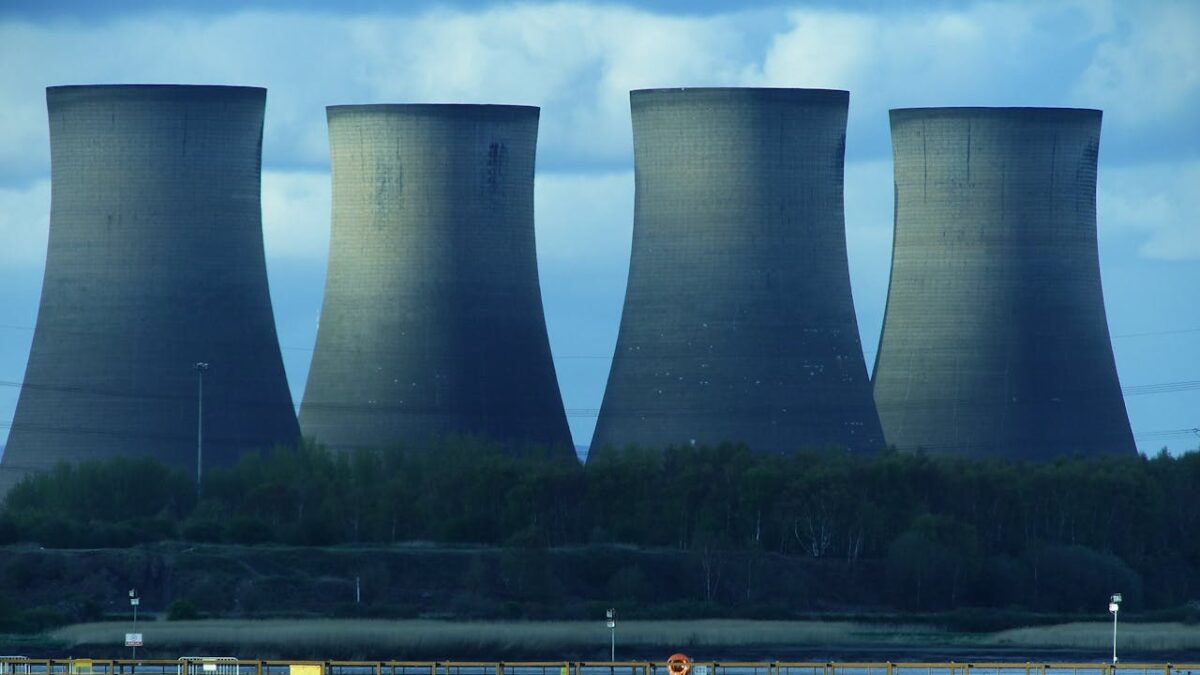
    The text highlights China’s significant advancements in nuclear energy technology, emphasizing the ⁤urgency for a strong and proactive response from the United States. It suggests ‍that America’s response is crucial given China’s growing capabilities in this field. The text underscores the ‌critical ⁤importance of the United States addressing China’s rapid advancements in nuclear energy technology. It argues that as China enhances its capabilities in this ​area, the U.S. ​must take a proactive stance to ensure it remains competitive. Such a response could involve investing in research and‌ development, strengthening partnerships in nuclear technology, and implementing policies that promote innovation within the American energy sector. The urgency of the situation calls for a coordinated effort to not only match China’s progress but also to lead in safe​ and sustainable nuclear practices globally.


    China’s steady climb to the peak of nuclear energy technology underscores the need for a decisive American response.