Senate bill limits president’s ability to sever intelligence sharing with Israel
The proposed Senate Intelligence Authorization Act includes provisions aimed at strengthening U.S.-Israel intelligence sharing and security cooperation. If enacted, it would require future presidents to document any decision to suspend, reduce, or limit that cooperation with Israel.
Introduced by Sen. Tom Cotton on May 20, the bill is pending Senate floor consideration. Its supporting section argues that the partnership advances U.S. national interests-citing shared threats such as terrorism, efforts to evade sanctions, and aggression by state and non-state actors-and calls for structuring U.S.defense assistance to help Israel maintain its military edge.
The legislation also directs future presidents to report to relevant congressional committees on progress toward integrating Israel into regional air and missile defense and early-warning frameworks, and it encourages increased interoperability of related technology and systems. It further specifies that intelligence sharing could be cut back only if the president identifies a specific and identifiable national security concern. The bill arrives amid ongoing U.S. intelligence-community turbulence following President Donald Trump’s appointment of Bill pulte as acting director of national intelligence.
Deep within the proposed Senate Intelligence Authorization Act are provisions to enhance intelligence sharing between the United States and Israel. If passed, the bill would require all future presidents to document any determinations to suspend, reduce, or limit intelligence and security cooperation with Israel.
Introduced by Sen. Tom Cotton (R-AR) on May 20 in the Senate Intelligence Committee, the bill awaits consideration on the Senate floor.
Recommended Stories
The section of the bill protecting the intelligence sharing between the U.S. and Israel argues the partnership serves U.S. national interests, citing terrorist threats, sanctions evasion, and state and non-state aggressors as shared global security concerns between the two countries.
The bill argues for structuring U.S. security assistance and defense cooperation “to help Israel maintain its qualitative military edge,” while including legislation requiring future presidents to increase shared intelligence with Israel.
Furthermore, future presidents are advised to provide congressional committees with an assessment of the progress made between both countries “toward seamlessly integrating Israel into regional air and missile defense and early warning architectures with partner countries,” while supporting the increased integration of technological hardware, software, and systems among Israel, the U.S., and partner countries.
Israel and the U.S. have both faced increased missile attacks during the Iran war, with the ayatollah today calling for Iranians to remain steadfast against both countries. The U.S. military has expended more missile interceptors defending Israel than the Israel Defense Forces has, according to the Washington Post.
IRAN HITS KUWAIT AND BAHRAIN IN ONE OF MOST DAMAGING ATTACKS SINCE CEASEFIRE
The bill argues U.S.-Israeli intelligence sharing can only be suspended or reduced if the president can propose “a specific and identifiable national security concern.”
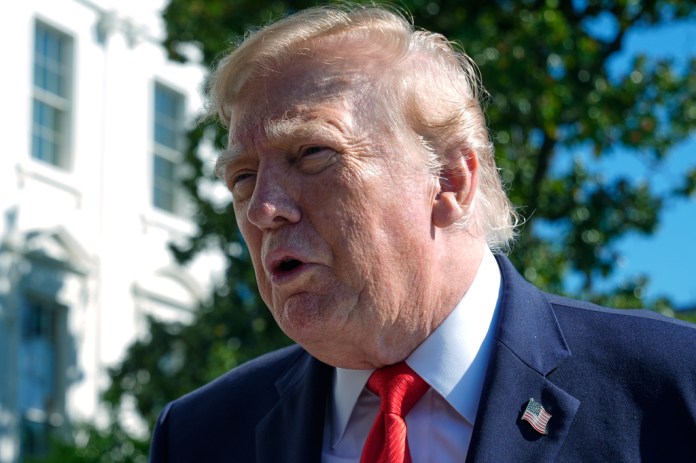
The bill comes not long after President Donald Trump’s appointment of Federal Housing Finance Agency Director Bill Pulte to serve as acting director of national intelligence amid friction between CIA and ODNI officials.
" Conservative News Daily does not always share or support the views and opinions expressed here; they are just those of the writer."
*As an Amazon Associate I earn from qualifying purchases