NATO’s ‘initial refusal’ to aid US could bring ‘changes’: Byron York
A Washington Examiner piece by Byron York discusses the potential for a major shift in NATO’s balance of power as the United States engages in a conflict with Iran, arguing that the alliance could change significantly once the crisis ends.
– Ari Fleischer, former White House press secretary, says Western European NATO members (e.g., Spain, England, France, Italy) have “sold us out” by refusing even basic cooperation, while Eastern European members are portrayed as the true core of NATO as of their proximity to Soviet-era threats and their stronger defense posture.
– York notes Fleischer’s remarks, amplified on Fox News, that NATO “will never be the same” after the Iran conflict and that the United States finances most operations, including overflight rights and basing, which some European allies refused.
– The piece contrasts Western Europe with Eastern Europe,suggesting the latter’s more robust defense stance and history of resistance to external aggression could drive a realignment within the alliance.
– President Donald Trump is described as threatening to unleash “hell” if Iran does not open the Strait of Hormuz, adding an element of unpredictability to U.S. policy and to NATO’s future role. York indicates this may leave Iran unsure of what to expect.
– The article references a broader US strategic discussion, including how the US-Pakistan relationship could influence efforts to end conflicts in Iran and Afghanistan.
– House Minority Leader Hakeem Jeffries counters trump’s NATO withdrawal rhetoric,arguing the U.S. needs more friends and a bipartisan effort to persuade the management not to abandon the alliance.
– The piece notes rising gas prices amid the Iran crisis and suggests prices could remain high unless the Strait of Hormuz is stabilized and open.
– the article implies a potential reordering of NATO’s leadership and cohesion, driven by Western European hesitation to fully cooperate and by a more unified, defense-oriented Eastern Europe, set against ongoing U.S. strategic brinkmanship.
NATO’s ‘initial refusal’ to aid US against Iran could bring ‘big changes’: Byron York
Washington Examiner chief political correspondent Byron York said a former Bush administration official is predicting a “shift in power” in the North Atlantic Treaty Organization.
Ari Fleischer, former President George W. Bush’s first White House press secretary, said on X that NATO will “never be the same” once the U.S.’s war with Iran concludes. He said western European countries like Spain, England, France, and Italy have “sold us out,” whereas eastern European nations are “the heart of NATO.”
“Ari’s post set off a number of arguments, but clearly, what he was saying is that some of the western European NATO countries — France, Spain, the United Kingdom — by their initial refusal to cooperate with the United States in this, had really set a terrible precedent for themselves,” York said on Fox News’ Fox & Friends Monday.
“And here again, President Trump was not asking them to send troops, he was not asking them to engage in attacks, he was asking for overflight rights and the right to use airbases, which the United States basically finances anyway,” he said. “And yet those nations refused even that level of cooperation.”
York also said Fleischer was contrasting the Western European countries with those in Eastern Europe and their “cooperation” with the United States. York explained that Eastern European countries have “experienced Soviet domination” in recent years, and also know what it is like to be in close proximity to an enemy nation.
“So what Fleischer was saying is there could be big changes coming in NATO, a shift in power, some sort of change, but something is going on in NATO,” York said.
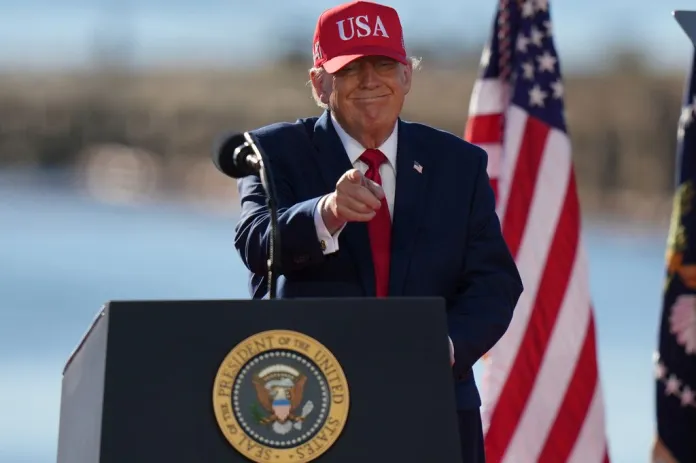
York added that President Donald Trump threatened to unleash “hell” if Iran doesn’t open the Strait of Hormuz by Tuesday night. The president previously sought to have other countries police the strait if it were to reopen, and York said Trump is maintaining “unpredictability” over this, leaving Iran with “no idea” what the president will do.
HOW THE US AND PAKISTAN’S RELATIONSHIP COULD HELP END RESPECTIVE WARS WITH IRAN AND AFGHANISTAN
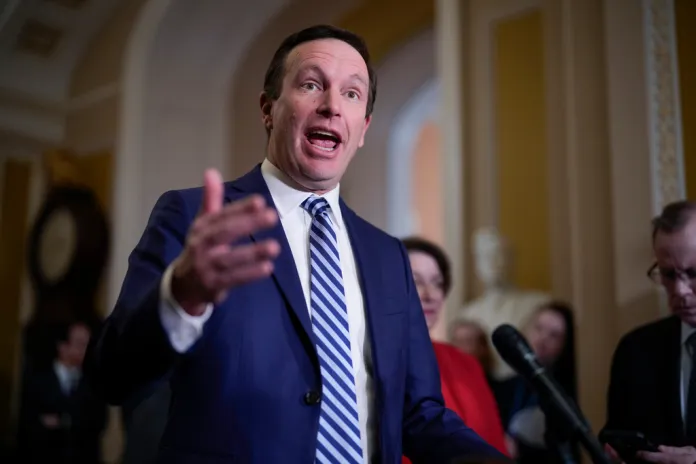
House Minority Leader Hakeem Jeffries (D-NY) pushed back against Trump’s statements against NATO, saying the U.S. needs “more friends, not more adversaries.” He added that he hopes there will be a “bipartisan effort” to convince the Trump administration not to engage in a “reckless choice” by withdrawing from NATO.
Gas prices have drastically increased since the Iran war started in late February, and these prices could see little to no movement if a ceasefire ensues unless the strait is open and proves stable, according to experts.
" Conservative News Daily does not always share or support the views and opinions expressed here; they are just those of the writer."
*As an Amazon Associate I earn from qualifying purchases