Iran negotiations slowed by supreme leader’s isolation: US officials
U.S. officials say talks with Iran are moving slowly because Ayatollah Mojtaba Khamenei is believed to be operating from an extremely isolated location, making interaction with Iranian leadership arduous. Officials also note that any messages received by Khamenei are delayed and outdated, which can significantly slow responses after teh U.S. sends proposed details.
The report comes amid uncertainty about timing and approval of a proposed U.S.-Iran peace agreement.Some Republicans have pushed back on the idea of a deal, while Trump has said it hasn’t been fully negotiated yet and that any agreement with Iran would be “good and proper.” Oil prices reportedly fell after U.S. officials said they had agreed in principle to reopen the Strait of Hormuz.
The article further claims that many high-ranking officials lack direct ways to contact Khamenei and that some have been spending weeks in bunkers. It also notes that Israeli and U.S. intelligence has helped the allies remove much of Iran’s senior leadership, while Khamenei has not been seen in public as before the war began.
U.S. officials said Sunday that negotiations between the United States and Iran have been slowed in part because Ayatollah Mojtaba Khamenei is operating from an extremely isolated location that has made communication inside the Iranian government difficult.
Iran’s supreme leader “is effectively holed up in an undisclosed location with little access to the outside world and is only reached by a labyrinth of couriers,” according to CBS News, which spoke with U.S. officials.
Recommended Stories
The officials said the difficulty in reaching Khamenei “means there can be a long delay before the U.S. receives a response” after it sends proposed details, and “every piece of information he receives is dated and there’s a lot of latency to his responses.”
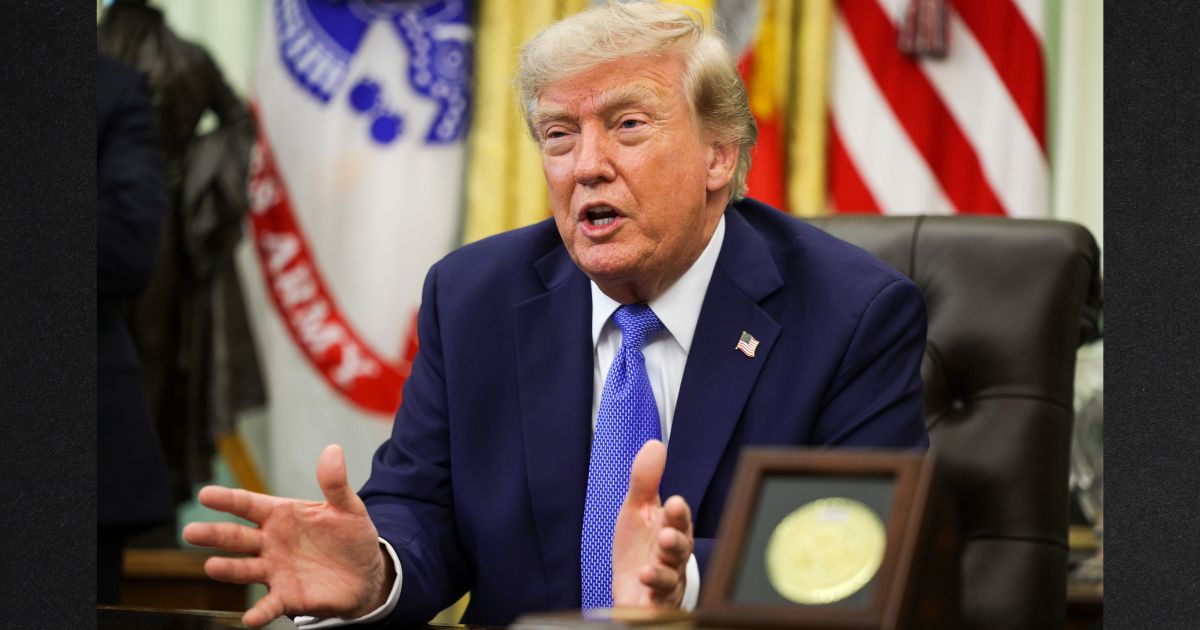
The report came one day after President Donald Trump said the most recent peace agreement with Iran “has been largely negotiated,” triggering initial speculation that it would be finalized this weekend. A senior U.S. official told reporters later Sunday that final approval could take days, while Trump reiterated on Truth Social that it has not been “fully negotiated yet.”
Many Republican senators pushed back on the idea of a deal on Saturday, including Sens. Ted Cruz (R-TX), Lindsey Graham (R-SC), and Roger Wicker (R-MS). Trump countered such criticism Sunday by saying, “If I make a deal with Iran, it will be a good and proper one.”
Oil prices fell Sunday after American officials “agreed in principle to a peace deal that would reopen the Strait of Hormuz.” Trump also said the relationship with Iran “is becoming a much more professional and productive one.”
The report says some high-ranking officials have no way to contact Khamenei directly, and many now spend weeks inside their bunkers. U.S. and Israeli intelligence obtained from within Iran’s government has allowed the allied nations to eliminate much of Iran’s senior leadership throughout the war.
TRUMP CALLS CURRENT PEACE DEAL WITH IRAN ‘THE EXACT OPPOSITE’ OF OBAMA-ERA IRAN NUCLEAR DEAL
Earlier this month, Iranian officials publicly detailed the supreme leader’s injuries suffered from the Feb. 28 strike that killed his late father, Ayatollah Ali Khamenei.
The supreme leader has not been seen in public since before the war started.
" Conservative News Daily does not always share or support the views and opinions expressed here; they are just those of the writer."
*As an Amazon Associate I earn from qualifying purchases