Houthis declare naval blockade of Saudi Arabia, escalating crisis
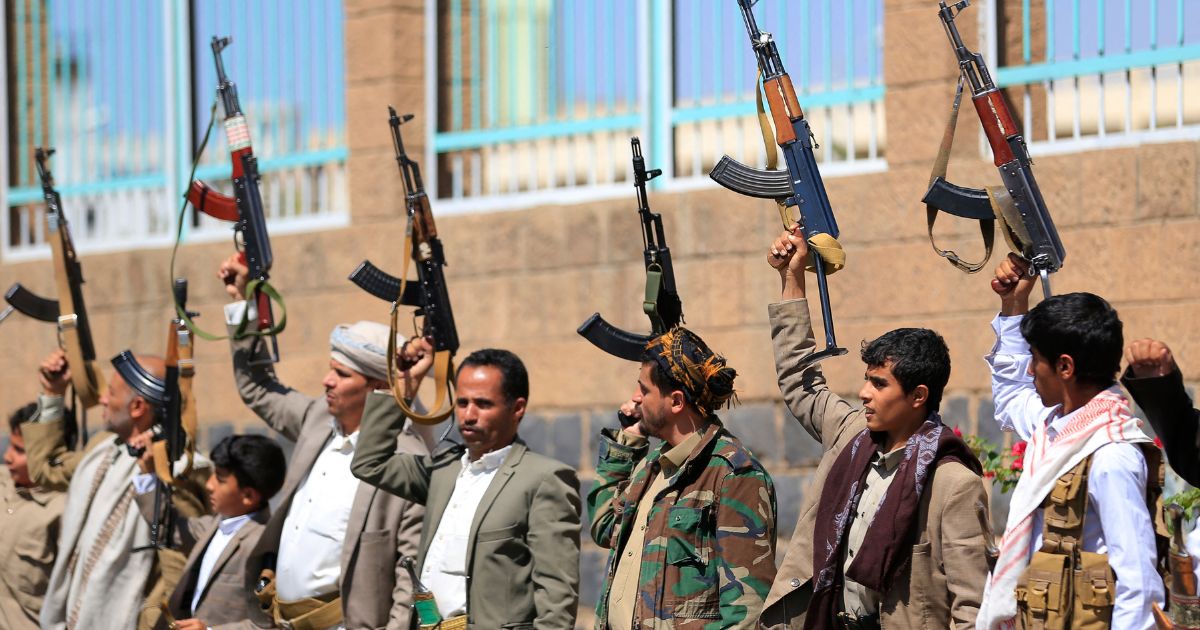
The Houthis, an Iranian-backed terrorist group based in Yemen, have declared a maritime blockade against Saudi Arabia, intensifying regional tensions. Previously, the ceasefire between the Houthis and the Saudi-backed coalition held since 2022, despite Saudi restrictions on trade to Houthi-controlled areas. Tensions escalated last week after attacks on Sanaa Airport attempted to prevent a Houthi delegation’s return from Iran, resulting in retaliatory strikes by Houthis against Saudi airports.
On Monday, the houthis announced a “maritime embargo” against Saudi Arabia, signaling a potential escalation to fully closing the Bab el-Mandeb Strait with possible missile and drone attacks on shipping, which could severely disrupt global shipping lanes. The declaration also included calls for mobilization and support for fighters, raising fears of expanded conflict involving Yemen’s tribes and possibly drawing the Houthis closer to Iran’s broader regional and international conflicts.
If the Bab el-Mandeb Strait is closed, it could reduce global oil supply by 7% and cut off Saudi Arabia’s main export routes, potentially triggering a meaningful energy crisis. Escalation might also involve the closure of the Strait of Hormuz,exacerbating the crisis and prolonging Iran’s influence over global energy markets,with oil prices already rising amid these tensions. The situation raises the risk of a broader regional conflict with profound economic implications worldwide.
The Houthis, an Iranian-backed terrorist group based in Yemen, declared a seaborne blockade of Saudi Arabia, escalating rising tensions in a front that had gone mercifully quiet during recent upheavals around Iran.
The Houthis and the Saudi-backed anti-Houthi coalition have been largely at peace since a ceasefire was agreed upon in 2022, though Saudi Arabia has restricted trade to Houthi-controlled areas. The current crisis began last week when either Saudi or anti-Houthi Yemeni air forces bombed Sanaa Airport in an attempt to prevent the landing of a Houthi delegation that was returning from Iran after attending the funeral of former Iranian Supreme Leader Ayatollah Ali Khamenei. The Houthis immediately blamed Saudi Arabia directly and retaliated with targeted strikes against the kingdom’s Abha International Airport.
Recommended Stories
” data-large-file=”https://cndimages.nyc3.cdn.digitaloceanspaces.com/breaking-news/wp-content/uploads//2026/07/localimages/iranproxieFINAL.png?w=696″ height=”683″ width=”1024″ “https:>
On Monday, the Houthis launched a further escalation of the crisis, declaring a “maritime embargo against the criminal Saudi enemy, based on the equation of ‘an eye for an eye,’ effective immediately.”
“We affirm the right of our great people to respond to the blockade with a blockade, and to respond to all escalation with all escalation, thus solidifying this equation,” Houthi Spokesman Brig. Gen. Yahya Saree said.
The exact details of the “maritime embargo” weren’t clear. Analysts noted that the proclamation could mean anything from simple posturing to the beginning of the effective closure of the Bab el-Mandeb Strait through missile and drone attacks against shipping, as became common during the Israel-Hamas War.
OSINT 613 noted that the Houthis have previously issued broad military declarations before deciding what the declarations fully entail. Even the prospect of the closure of the Bab el-Mandeb Strait brought on by the declaration could affect the markets, as insurers become more skittish about insuring vessels that traverse the increasingly dangerous waterway.
In another worrying sign, Saree called upon a “general mobilization and general call to arms, and to be fully prepared for all scenarios and developments, and to support the fronts with fighters.”
The mobilization of Yemen’s disparate tribes would expand its escalation options, while worrying the Saudi-backed Presidential Leadership Council. The transition to war footing also raises the prospect of the Houthis joining the U.S.-Iran war on the side of its patron. The Houthis have said oil infrastructure in Saudi Arabia is a target, and if they follow through on the threat, the possible impact on oil prices could fully reverse the improvements in the market since the U.S.-Iran memorandum of understanding was signed last month. Prices have already begun to rise, with oil prices briefly shooting up to $90 per barrel on Monday.
US STRIKES IRGC FORCES BEHIND ATTACK THAT KILLED US TROOPS IN JORDAN
If the Houthis decide to close the Bab el-Mandeb Strait as part of their blockade, global oil supply would be reduced by 7%, according to NBC News. It would also leave Saudi Arabia without any easy options to ship out its oil, with both its water routes cut off.
The simultaneous closure of the Strait of Hormuz and the Bab el-Mandeb Strait would trigger an energy shock worse than that in March, and would substantially extend the life of Iran’s rapidly deteriorating ability to hold the world economy hostage.
" Conservative News Daily does not always share or support the views and opinions expressed here; they are just those of the writer."
*As an Amazon Associate I earn from qualifying purchases