Hormuz tanker traffic grinds to a halt
Ship traffic through the Strait of Hormuz has nearly halted following U.S. President Donald Trump’s statement that the ceasefire between the United States and iran was “over.” The strait, a critical global oil transit route between the Persian gulf and the Gulf of Oman, is currently contested by U.S. and Iranian authorities. About 25% of the world’s seaborne oil is shipped through this narrow passage, making its security vital for global oil supply.
Recent tensions escalated after Iran attacked three commercial ships,prompting the U.S. to retaliate against over 60 Iranian boats. As a result, the Joint Maritime Information Centre raised the threat level to “severe,” leading to the near-closure of the waterway, with only one sanctioned tanker and an Iranian container ship observed passing through. Several oil and natural gas tankers re-routed after Iran’s attacks, causing a 6% spike in oil prices.
Disagreements over tolls in the strait are major sticking points, with Iran seeking to charge other nations for passage-a move deemed illegal by U.S. officials. An upcoming memorandum of understanding (MOU) proposes to negotiate future arrangements for the strait’s management, emphasizing dialog with Oman and other Gulf states, with tolls only temporarily prohibited for 60 days. The heightened tensions have fueled fears of further conflict and disruptions to global oil markets.
Ship traffic traveling through the Strait of Hormuz has ground to a halt since President Donald Trump called the ceasefire between the United States and Iran “over.”
The Strait of Hormuz is a major world oil shipping hub. Located between the Persian Gulf and the Gulf of Oman, control over the strait is currently being contested by U.S. and Iranian officials. Considered critical to the world’s oil production, the narrow passage provides the only way for ships to travel from the Persian Gulf to the Arabian Sea before reaching the Indian Ocean.
Recommended Stories
Roughly 25% of the entire world’s seaborne oil production is shipped through the strait.
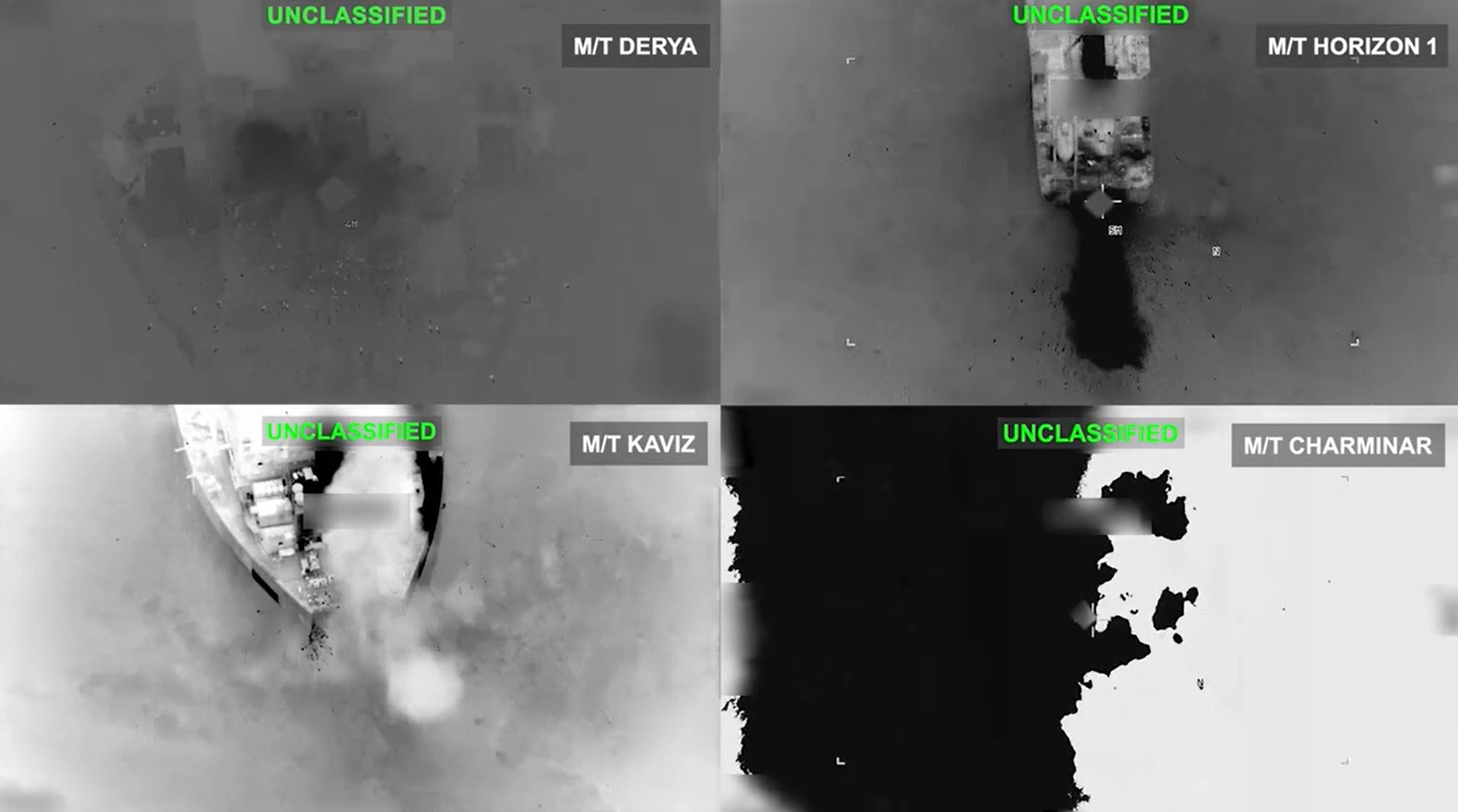
The U.S. said it launched attacks against more than 60 Iranian boats in retaliation for Iran’s Tuesday attacks against three commercial shipping vessels. The escalating situation caused the Joint Maritime Information Center to raise the threat level in the Strait of Hormuz to “severe,” and the waterway is now essentially closed.
Only one tanker was moving through the waterway today, Bloomberg reported. The lone tanker was a sanctioned crude carrier. Besides the carrier, the only other boat traffic was an Iranian container ship. There was zero traffic observed on the route closest to the Omani coast.
The lack of boat traffic represents a significant decline from the 14 vessels that traveled through the strait on Wednesday. The weeks following the memorandum of understanding ceasefire deal saw an average of 24 tanker crossings each day.
At least four oil and liquefied natural gas tankers made U-turns out of the strait after Iran attacked three commercial ships on Wednesday. The dilemma has caused a 6% spike in oil prices, reports OilPrice.com.
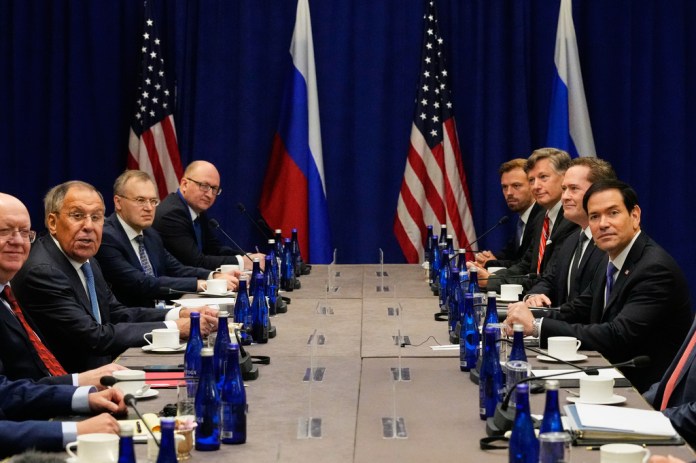
Disagreements between the U.S. and Iran over tolls in the strait have been a sticking point in negotiations. Iran hopes to reopen the strait on its own terms by forcing other countries to pay for passage. Secretary of State Marco Rubio has told Iranian officials that Iran cannot charge tolls for ships traveling through the strait, arguing it violates international law. Vice President JD Vance has echoed similar sentiments.
IRANIANS CALL FOR TRUMP’S DEATH AT FUNERAL FOR ASSASSINATED AYATOLLAH: ‘SEEK REVENGE’
The MOU outlines plans for further negotiations over the strait.
“The Islamic Republic of Iran will conduct dialogue with the Sultanate of Oman, to define the future administration and maritime services in the Strait of Hormuz, in discussions with other Persian Gulf Littoral States, in line with applicable international law and the sovereign rights of coastal states of the Strait of Hormuz,” read the MOU’s fifth clause, with tolls only forbidden for “60 days only.”
" Conservative News Daily does not always share or support the views and opinions expressed here; they are just those of the writer."
*As an Amazon Associate I earn from qualifying purchases