DOJ announces settlement with LASD over concealed carry permit delays
The Los Angeles County Sheriff’s Department settled a lawsuit with the Department of Justice over excessive delays in issuing concealed carry firearm permits. The DOJ filed the lawsuit in September 2025, alleging that the sheriff’s office deliberately delayed permits, effectively denying citizens their Second Amendment rights. As part of the settlement, the LASD will expedite permit processing and publicly share data on processing times. The DOJ praised the department for cooperating and improving procedures after acknowledging the problem, which had resulted in up to nine months of waits for applicants. From January 2024 to March 2025, out of nearly 4,000 applications, onyl two permits were approved, highlighting the delays. This closure marks a notable step toward ensuring constitutional rights are upheld efficiently. Additionally, the Supreme Court is set to review major Second Amendment cases concerning “assault weapons” bans in Illinois and Connecticut, which could have broad implications for gun laws nationwide. Gun rights advocates are hopeful for a positive outcome in the upcoming court terms.
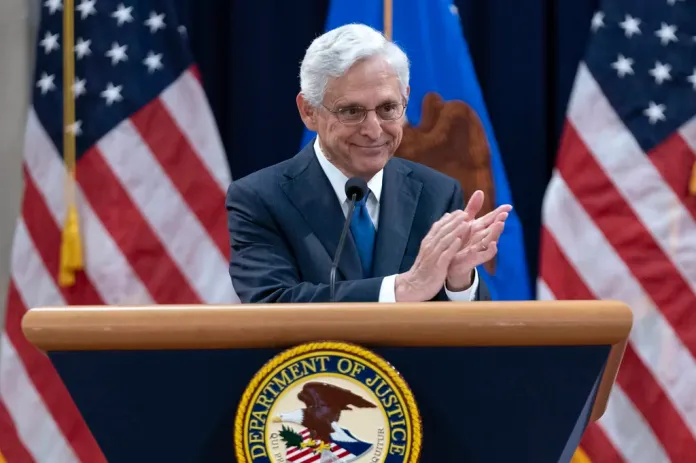
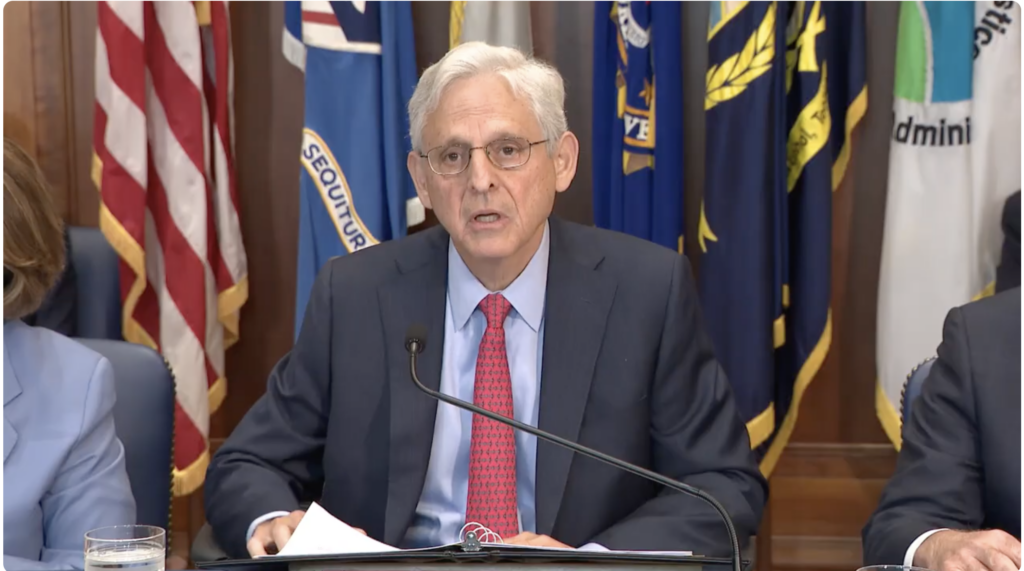
The Los Angeles County Sheriff’s Department settled a lawsuit over “excessive delays” for issuing concealed carry firearm permits to residents, the Department of Justice announced on Thursday.
The DOJ sued the LASD in September 2025, alleging that the department had denied citizens their Second Amendment right to bear arms “not through outright refusal, but through a deliberate pattern of unconscionable delay that renders this constitutional right meaningless in practice.” The settlement between the DOJ and LASD will speed up the process for residents seeking to obtain concealed carry permits, and it also requires the sheriff’s department to post data publicly about how long the different stages of the concealed carry permit process have taken.
Recommended Stories
Harmeet Dhillon, assistant attorney general for the DOJ’s Civil Rights Division, credited the sheriff’s department for working with the DOJ to fix the long wait times for approvals of concealed carry permits, which the Justice Department claimed were up to an average of nine months.
“The Justice Department supports our law enforcement partners,” Dhillon said. “The sheriff acknowledged the problem and devoted substantial additional resources, including new processing software and additional personnel, to cutting waiting times dramatically. We applaud their efforts and are happy to be able to bring this litigation to a successful conclusion!”
The lawsuit alleged that between January 2024 and March 2025, the sheriff’s office received 3,982 applications for new concealed carry permits but approved only two. The DOJ cited the Supreme Court’s 2022 ruling in New York State Rifle & Pistol Association v. Bruen, which declared that the Second Amendment protects the right to carry a firearm outside the home, as its rationale for bringing the lawsuit, and said in the settlement that LASD will “maintain and implement a [concealed carrying weapon] licensing regime that is consistent with” the Bruen decision.
‘ASSAULT WEAPONS’ BANS ARE ON THEIR WAY TO THE SUPREME COURT
The Supreme Court will hear a major Second Amendment case in its upcoming term when it hears the consolidated case Viramontes v. Cook County and Grant v. Higgins. The two cases deal with state “assault weapons” bans in Cook County, Illinois, and Connecticut, respectively, but are expected to have sweeping implications in other states and jurisdictions that have enacted similar sweeping bans of popular semiautomatic rifles, such as the AR-15.
Gun rights advocates have been hoping the justices would take up the issue for the past several terms and are optimistic the Supreme Court could deliver another major victory for them. The high court has yet to schedule oral arguments in the “assault weapons” ban case, but could hear the case as soon as December 2026 or early 2027.
" Conservative News Daily does not always share or support the views and opinions expressed here; they are just those of the writer."
*As an Amazon Associate I earn from qualifying purchases