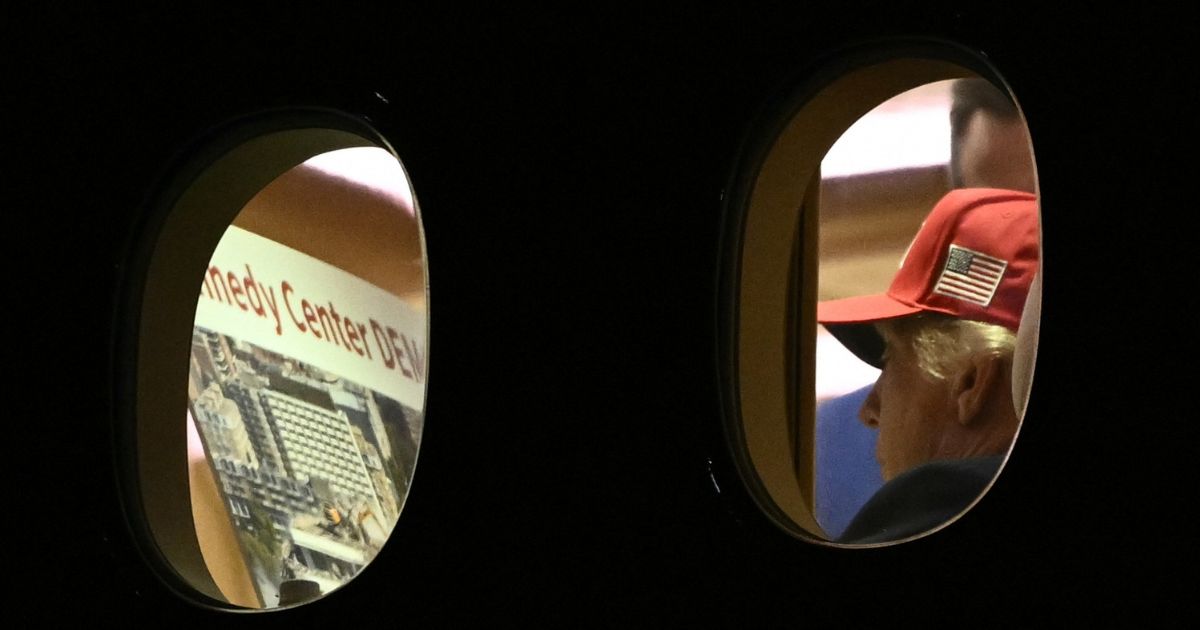
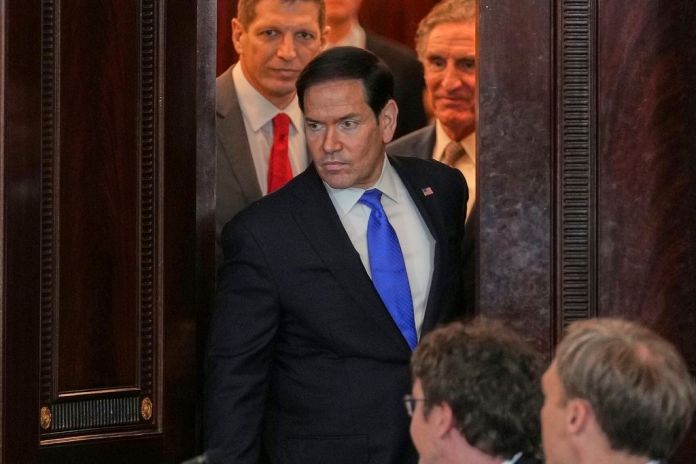
Who could be next after Lori Chavez-DeRemer exits Trump Cabinet?
This snippet shows a web page fragment with a Read more button that reveals additional content. The hidden section includes a series of WordPress-like layout blocks (tdb-block-inner) such as mobile menu and search controls,a drop-down search area linked to washingtonexaminer.com, and a search trigger.it also contains several XML declaration lines and ends with an Amazon auto-links shortcode. What you’re describing sounds like a WordPress page that uses a theme’s page-builder blocks (the class name td b-block-inner is typical of the TagDiv/Newspaper-style builders).Here’s what each part likely represents and what it could mean:
– Read more button revealing content: this is the standard WordPress “More” behavior. The content after the cut is placed in a hidden/collapsed section until the user clicks Read more.
– td-block-inner blocks (e.g., mobile menu, search controls): Those are blocks created by the theme’s builder. They render UI like the mobile menu and search area.
– Drop-down search area linked to washingtonexaminer.com: This looks like an external search widget or a third-party integration included in the page. It might very well be legitimate (a partner/search widget) or could be injected for affiliate/traffic purposes.
– Search trigger: Likely a widget control that opens the search UI.
– XML declaration lines: XML prologs () appearing in HTML are unusual. They’re sometimes remnants from RSS/XML feeds or copied/embedded code, but in a normal HTML page they shouldn’t be in the body. If you’re seeing them in the page source, they could indicate pasted/embedded code from an external source.
– Amazon auto-links shortcode: A WordPress shortcode used to automatically convert mentions into Amazon affiliate links. This is typically provided by a plugin or the theme to monetize content.
Possible implications
– If this is on a site you manage and you didn’t add these blocks yourself,it could be a sign of injected or rogue content (spammy affiliate links,external widgets,etc.).
– The external link to washingtonexaminer.com and the Amazon shortcode suggest monetization/affiliate content. It could be legitimate (a sanctioned widget by the site owner) or could be injected by a compromised theme/plugin or an injected snippet.
What to do next
– If you own the site:
– Inspect the source in your WordPress admin:
– Look for the page builder blocks (tdb-block-inner) in the page/post editor to see who added them.
– Search for any shortcodes like [amazon],
Auto Amazon Links: Could not resolve the given unit type, unknown. Please be sure to update the auto-insert definition if you have deleted the unit.
– Search the theme and plugin files for references to “washingtonexaminer.com” or external search widgets.
– Check for security issues:
– Run a security scan (Wordfence, Sucuri, etc.).
– Check for unfamiliar admin users, recently changed files, or modified core/theme/plugin files.
– Inspect your active plugins and the active theme for unfamiliar or outdated code.
– If it’s not legitimate or you didn’t authorize it:
– Remove the offending blocks or disable the plugin/theme adding them.
– Restore from a clean backup if you suspect compromise.
– Change passwords, review user roles, and consider hardening measures (disable file editing in wp-config.php, restrict plugin installs, etc.).
– If you’re just analyzing the snippet:
– It’s likely a combination of a theme’s page-builder blocks and some monetization/affiliate shortcodes. The presence of an external domain and a shortcode warrants checking whether those elements are intentional parts of the site’s design or something inserted without author consent.
If you want, you can share a small, sanitized excerpt of the actual code (or the page URL if you’re pleasant) and I can help pinpoint which plugin/theme block is responsible and how to clean it up safely.
" Conservative News Daily does not always share or support the views and opinions expressed here; they are just those of the writer."
*As an Amazon Associate I earn from qualifying purchases