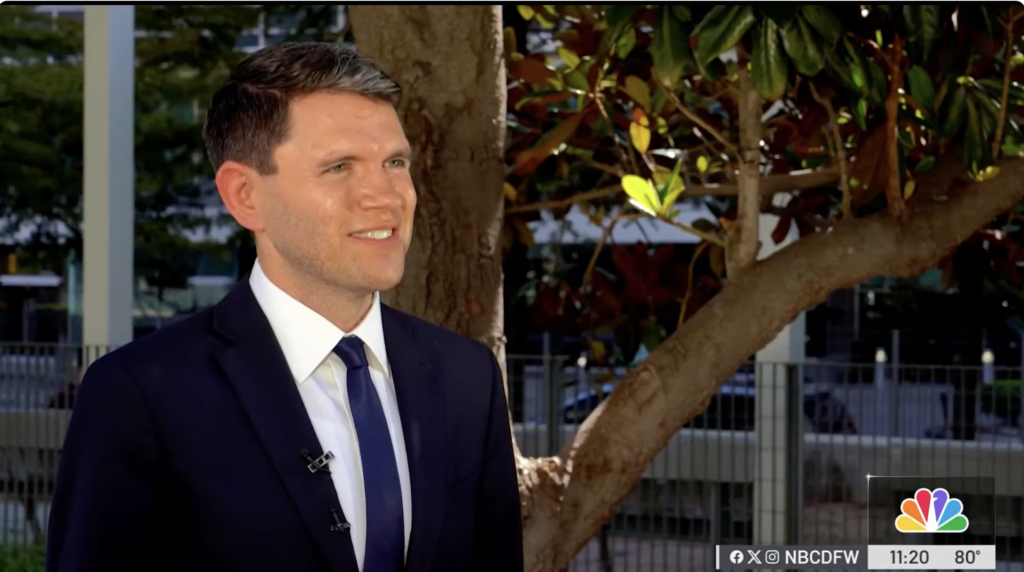
What is the FCC equal time rule at center of Talarico interview?
This article discusses the FCC’s equal-time rule and how it came into play around stephen Colbert’s interview with Texas state Rep. James Talarico on The Late Show. It explains that the rule,rooted in the Communications Act,requires broadcast networks to offer opposing candidates equal opportunities to speak when they permit one candidate to use the station. The FCC has added guidance that exempts bona fide news coverage, but says late-night talk shows are not automatically exempt if the appearance is motivated by partisan purposes.
Key points:
– The Late show interview with Talarico was released on YouTube rather than aired on the broadcast, after CBS weighed equal-time concerns and ultimately chose online distribution with on-air promotion instead of providing formal equal-time options.
– The article notes that streaming platforms like YouTube are not bound by the FCC’s equal-time rule,suggesting no violation in this case.
– Talarico is a Democratic primary contender in Texas for a U.S. Senate seat (and related Texas races are discussed,including opponents and the political landscape).
– The FCC’s actions and interpretations are a point of contention: Democratic Commissioner Anna Gomez criticized what she calls government pressure on broadcasters and warned against censorship, while FIRE (the Foundation for Individual Rights and Expression) argued that candidate interviews have long been exempt from equal-time rules.
– The piece references the FCC’s prior investigation into Colbert’s appearance on The View and frames the broader debate as part of how the Trump governance and related officials have influenced concerns about media coverage.
– CBS stated that legal guidance indicated the broadcast could trigger equal-time obligations, and the network offered options to fulfill them but chose to proceed with the YouTube interview instead.
– the article closes with comments that CBS and Paramount may have corporate interests aligned with political pressures, and with calls from some advocates to protect free expression and resist governmental interference.
What is the FCC equal time rule at center of Colbert-Talarico interview controversy?
The Federal Communications Commission is aggressively enforcing its new guidance on a so-called equal-time statute, pursuant to a 20th-century federal law that requires broadcast television networks to offer opposing candidates running for the same office the opportunity to speak on-air.
The latest television program affected by the policy is The Late Show with Stephen Colbert, whose host interviewed Texas Democratic state Rep. James Talarico in a YouTube video rather than on the usual broadcast. CBS lawyers advised Stephen Colbert to take the interview off the air, but he posted the conversation on YouTube anyway.
A streaming service like YouTube is not subject to the FCC’s equal time rule. Therefore, there seems to be no apparent violation of the policy on Colbert’s part.
Under the Communications Act of 1934, Section 315 requires broadcast licensees to “afford equal opportunities” to all legally qualified candidates running for a particular office if the licensee permits one of the candidates to “use a broadcasting station.”
The FCC later issued a regulation in accordance with the statutory directive, commonly known as the equal time rule.
The independent agency released further guidance on applying the rule, providing exemptions for “bona fide” news coverage. This means that if a political candidate appears on any such news program, the network is not legally required to follow the equal time rule. Conversely, no exemptions are given to late-night or daytime talk shows that the FCC claims are “motivated by partisan purposes.”
Based on that logic, Colbert would have to give comparable airtime to Talarico’s opponents in the U.S. Senate primary for the seat held by Sen. John Cornyn (R-TX).
Talarico is running against Rep. Jasmine Crockett (D-TX) in the highly competitive Democratic primary. Whoever wins the Democratic nomination will challenge the Republican nominee, whether that be Cornyn or one of the two challengers.
Texas Attorney General Ken Paxton and Rep. Wesley Hunt (R-TX) are seeking to succeed Cornyn in the high-stakes March 3 primary. The state’s 10-day early voting started on Tuesday.
Talarico’s recent appearance on The View has drawn equal-time scrutiny from the FCC. The state lawmaker argued on Colbert’s Monday night show that the FCC’s investigation of the ABC daytime program is an example of the Trump administration’s weaponization of “cancel culture.”
Colbert explained his network capitulated to pressure from the Trump administration, specifically FCC Chairman Brendan Carr, who targeted fellow late-night host Jimmy Kimmel last fall.
In response, CBS denied that The Late Show with Stephen Colbert was barred from airing the interview. Rather, the comedian declined to give equal airtime to other candidates in the Senate race.
“The show was provided legal guidance that the broadcast could trigger the FCC equal-time rule for two other candidates, including Rep. Jasmine Crockett, and presented options for how the equal time for other candidates could be fulfilled,” CBS said. “‘The Late Show’ decided to present the interview through its YouTube channel with on-air promotion on the broadcast rather than potentially providing the equal-time options.”
As of Tuesday afternoon, Carr has not publicly commented on the Colbert-Talarico interview. However, the sole Democratic FCC commissioner has equated the federal body’s use of the equal time rule to unlawful censorship.
“This is yet another troubling example of corporate capitulation in the face of this Administration’s broader campaign to censor and control speech,” Anna Gomez said in a statement. “The FCC has no lawful authority to pressure broadcasters for political purposes or to create a climate that chills free expression. CBS is fully protected under the First Amendment to determine what interviews it airs, which makes its decision to yield to political pressure all the more disappointing.”
She also suggested CBS’s parent company, Paramount Skydance, has “corporate interests” aligned with the Trump administration, which is why the company decided against “airing newsworthy content.”
“I once again urge broadcasters and their parent companies to stand firm against these unlawful pressures and continue exercising their constitutional right to speak freely and without government interference,” Gomez concluded.
The Foundation for Individual Rights and Expression similarly expressed disapproval of the FCC policy.
“Candidate interviews have long been exempt from ‘equal time’ rules for good reason,” FIRE chief counsel Bob Corn-Revere said in part. “It would be wrong if a Democratic administration demanded conservative talk radio hosts give equal airtime when they interview candidates, and it’s wrong for the Trump administration to demand the same of late-night talk show hosts.”
The FCC did not respond to a request for comment made by the Washington Examiner.
" Conservative News Daily does not always share or support the views and opinions expressed here; they are just those of the writer."
*As an Amazon Associate I earn from qualifying purchases