Vance’s Anti-Fraud Task Force Blasts Cultural Decline Driving Theft
The White House Anti-Fraud Task Force led by Vice President J.D. Vance is described as “working as intended,” focusing on catching past and ongoing fraud, pursuing prosecutions, and adding safeguards to prevent future abuse-such as claims that it has blocked $60 million in student-aid fraud.
However, the article emphasizes that the task force’s public message is moving beyond enforcement statistics. at an anti-fraud roundtable with state attorneys general, the recurring theme was “high-trust” social norms-framing fraud as evidence of cultural decline and a breakdown of an “honor system” that government benefits programs rely on. speakers argue that anti-fraud work is also about restoring social trust and sending cultural signals about how unacceptable they consider it to steal from programs meant for the needy,sick,elderly,and others.
The discussion also highlights a political contrast: anti-fraud systems that were reportedly active under previous administrations were said to have been turned off during the Biden administration, and are now being turned back on. The piece further notes the event mostly became conversation between the White House and Republican-led states, as Democrat attorneys general largely did not attend.
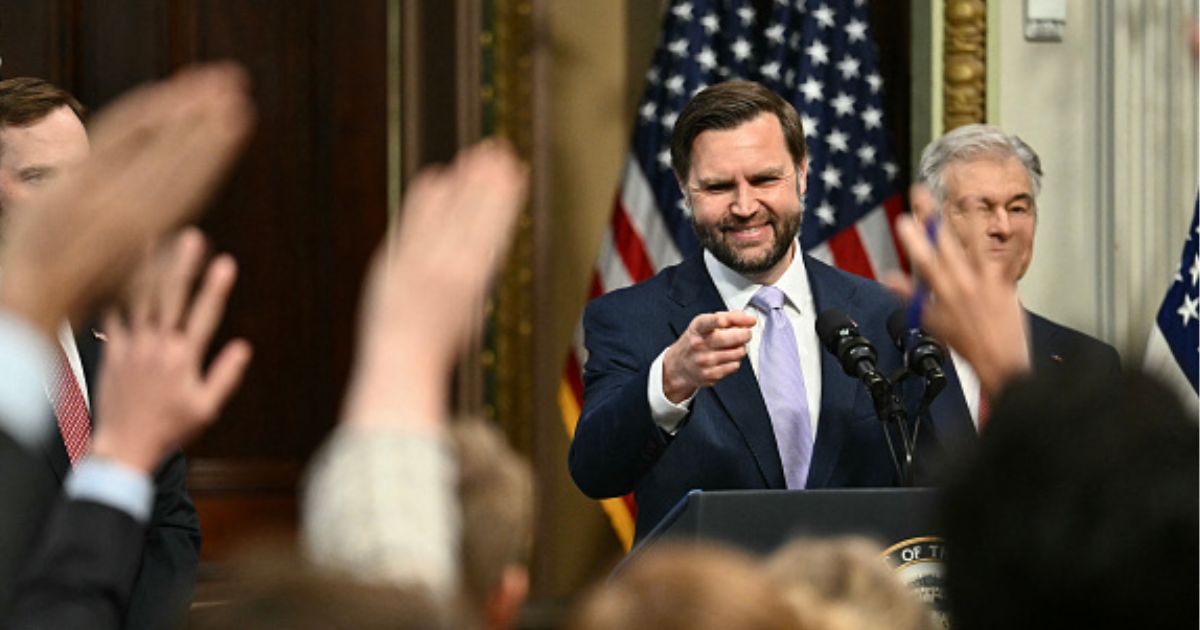
The White House task force led by Vice President J.D. Vance to target fraud in government programs is working as intended: It’s catching past and current fraud, pushing for prosecutions, and limiting future fraud with new procedural safeguards. The numbers, so far, aren’t the story. Vance said this week that the administration’s anti-fraud effort had “blocked $60 million in student aid fraud,” for example, a number you can compare to $39 trillion in federal debt.
But the task force is also reaching beyond those basic goals to talk about something else, and the something else is becoming unusually important.
In a famous letter written in 1798, President John Adams wrote that the Constitution was organized around an unstated premise. “Avarice, Ambition, Revenge or Gallantry, would break the strongest Cords of our Constitution as a Whale goes through a Net,” he wrote. “Our Constitution was made only for a moral and religious people. It is wholly inadequate to the government of any other.”
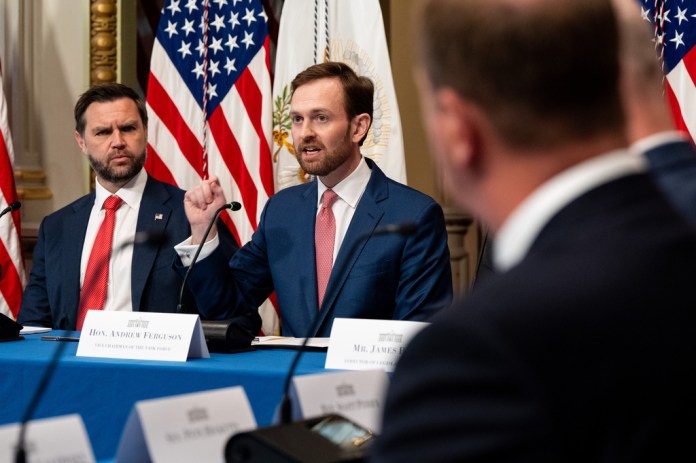
At a White House anti-fraud roundtable this week with state attorneys general, the recurring theme in the brief public portion of the discussion was about the whale going through the net.
Andrew Ferguson, the chairman of the Federal Trade Commission who is serving as the vice chair of the task force, started that discussion. “Our benefits programs, and our whole society, was designed for a high-trust people,” he said.
This has been the subtext of the White House Anti-Fraud Task Force, and it rose to the surface this week to become the text: cultural decline, then crime. A problem in government is a problem of society. “It’s become clear that huge groups of people in this country are taking advantage of our long-standing culture of trust to enrich themselves at the expense of the American people,” Ferguson said.
Discussing cultural decline, Ferguson also made this interesting point: “For agencies that had robust anti-fraud systems that the Biden administration turned off, the task force and the agencies have turned them back on.” Think about the significance of a Democrat administration choosing to shut down fraud-prevention measures.
An effort against widespread fraud in government services, Ferguson said, is about “restoring social trust in America.”
White House Deputy Chief of Staff Stephen Miller expanded on that theme. “All of the systems in our country, whether you’re talking about voting, whether you’re talking about entitlements, whether you’re talking about welfare benefits, were set up based on the honor system,” Miller said. “They were set up based on the idea that you could trust the average person, through their own morality, to abide by the rules and comply with the law.” That’s the thing that isn’t working: people behaving honorably because of their own morality.
Fighting fraud, the task force that Vance is leading is sending cultural signals about what we expect as a people. “We are here to take it personally when someone decides to take money from a program designed to give money, food, health care to the needy, the sick, and the elderly,” Assistant Attorney General Colin McDonald said.
In many ways, the discussion happening in the task force isn’t politically conservative at all. It operates on the premise that government programs that give people food and money are good, and that fraud has to be prevented so needy people can get their government services. But the work of the task force is increasingly centered on a culturally conservative discussion about personal morality. As McDonald said, we’re taking it personally when our neighbors choose to steal from us.
Finally, the roundtable discussion with state attorneys general mostly became a discussion between the White House and Republican-led states, as Democrat attorneys general declined to attend.
You can watch the entire public portion of the discussion here:
Chris Bray is a senior correspondent at The Federalist and a former infantry sergeant in the U.S. Army. He has a history PhD from the University of California Los Angeles, not that it did him any good. He also posts on Substack, at “Tell Me How This Ends,” here.
" Conservative News Daily does not always share or support the views and opinions expressed here; they are just those of the writer."
*As an Amazon Associate I earn from qualifying purchases