The Average Man Rejected Socialism. Liberals Chose It For Them
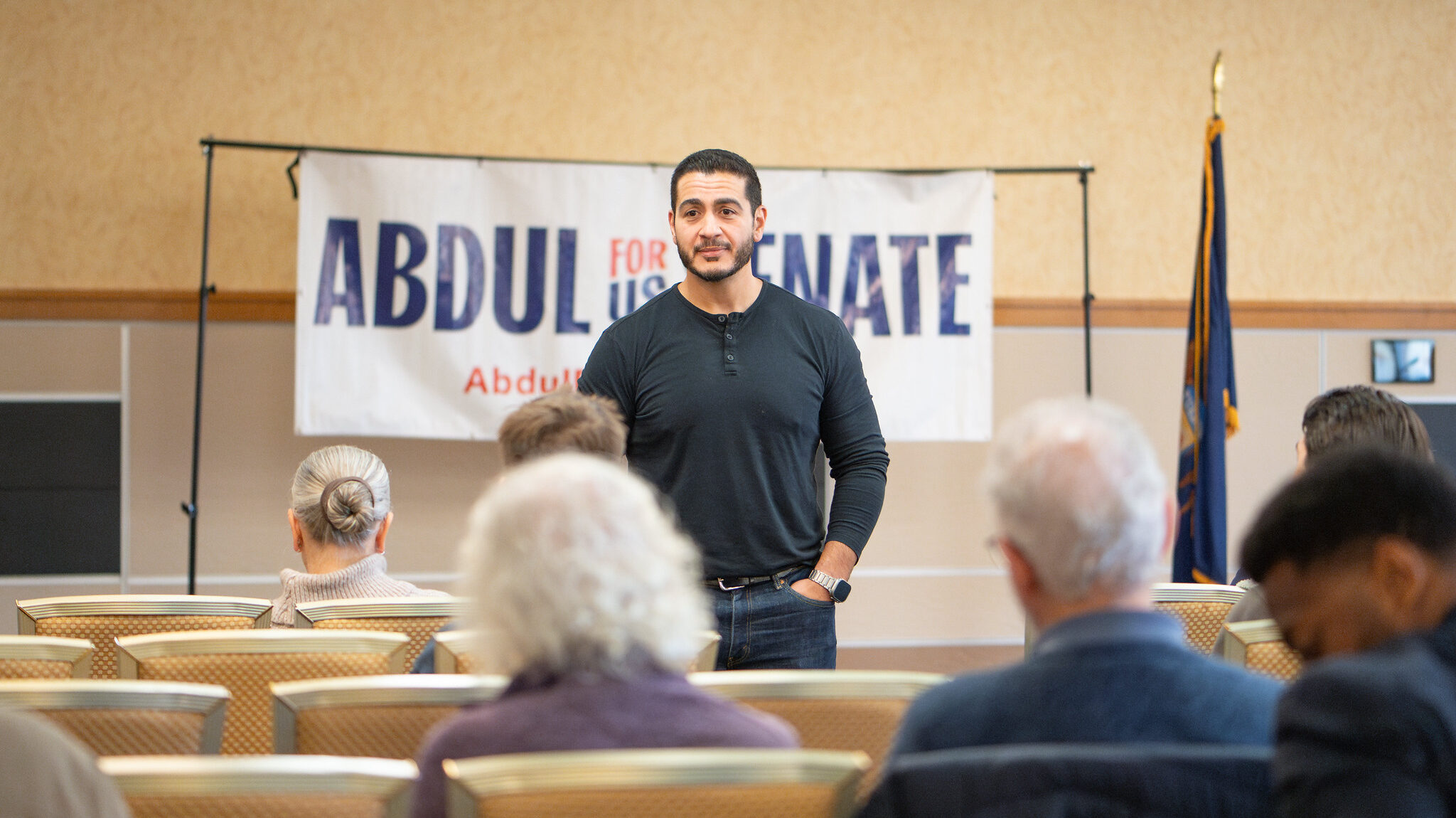
The article reports that socialist Abdul El-Sayed narrowly won the Michigan Democratic primary for U.S. Senate, defeating Rep. Haley Stevens by about one point. El-Sayed ran on platforms like Medicare for All, affordable housing, and abolishing ICE, claiming to represent working people. However, his victory was driven primarily by support from younger, wealthier, college-educated, and liberal voters in urban areas and college towns, rather than from low-income or rural communities he purportedly advocates for.
Analysis from sources like The New York Times and USA Today highlights that El-Sayed’s support came mostly from educated and affluent White voters, young voters, and residents of college towns, whereas Stevens performed better among Black voters, in rural areas, and working-class communities. This pattern exemplifies a broader trend where socialist-leaning candidates often garner backing from upscale,liberal voters while being rejected by the low-income populations thay claim to champion.
The article further criticizes such candidates for supporting policies like defunding police, open borders, and goverment-controlled groceries, which may benefit affluent urban voters but worsen conditions for low-income and working-class residents. It argues that these policies reveal an underlying authoritarian agenda, driven by elites who do not bear the direct consequences of their support for socialist ideals.
Additional examples include socialist candidates Darializa Avila Chevalier in New York, who performed best among college-educated and higher-income areas, and Brad Lander, who unseated an incumbent by winning high-income and educated districts. The piece emphasizes that affluent voters often support populist policies because they can move away from unsafe or disadvantaged areas, leaving low-income communities to face the adverse effects.
Socialist Abdul El-Sayed narrowly defeated Rep. Haley Stevens by roughly a point with nearly all votes counted in Michigan’s Democrat primary for U.S. Senate.
El-Sayed campaigned on things like Medicare for All, investing in “affordable” housing, and abolishing ICE. He previously called for defunding the police. His campaign website says he believes “in an economy built by and for working people.”
But the coalition that helped El-Sayed cinch the Democrat nomination is not the constituency his rhetoric implies he cares about. His victory was not the result of support from the low-income or rural voters or groups traditionally thought to constitute working-class communities (which his policies claim to focus on). Instead, younger, wealthier, and “educated” voters in college towns spurred his campaign to victory.
The New York Times’ Reid J. Epstein wrote Wednesday that El-Sayed “was strongest in communities with young voters, college students and educated and wealthy white voters. That coalition carried him through the primary.”
USA Today wrote that El-Sayed won “the most liberal voters and White voters with college degrees” and “swamped Stevens among younger voters and in college towns like Ann Arbor and East Lansing” while also leading in Arab neighborhoods.
In contrast Stevens “showed strength among Black voters in Detroit and Flint and carried most of the state’s interior rural counties, aside from a few with college towns and resort communities,” according to Epstein, while USA Today wrote Stevens’ support came “from Black voters in Detroit and from seniors. She did well in working-class communities in the suburbs, and she carried many of the more conservative and predominantly White rural counties.”
In other words, El Sayed won over voters who are more insulated from the consequences of his socialist policies. And none of this is unique to El-Sayed’s win.
Socialist Darializa Avila Chevalier narrowly beat incumbent Adriano Espaillat, D-N.Y., after performing best with younger voters, college-educated precincts, and higher-income areas. Espaillat won low-income areas and majority-Hispanic precincts.
Brad Lander (a Mamdani-backed candidate) unseated Rep. Dan Goldman, D-N.Y., after winning high-income areas and college-educated areas while Goldman performed better in low-income areas.
All of these candidates campaign as though they are for the working people and the poor, and yet they get most of their support from affluent leftists and wealthy people, while being rejected at the ballot box by those they claim to represent.
Affluent voters can champion candidates who support defunding the police, for example, because when things become dangerous, they can pack up and leave. But low-income residents don’t have that same luxury and are instead left to deal with unsafe streets and communities. Or take government-run grocery stores: Affluent voters can champion the idea because if local businesses fail to compete with a subsidized food store, the affluent voters can just go shop at Whole Foods or somewhere else. But locals without cars or disposable income may be left with nowhere to shop.
Affluent voters can throw their support behind open-border globalists who want to abolish borders, ICE, and immigration enforcement because it won’t be their housing supply that is squeezed by tens of millions of illegal aliens pining for the limited apartments. It’s not their communities that are transformed into Third World hellscapes. It’s the low-income communities most affected.
As with every form of socialism ever, the socialism of the Democrat Party is authoritarian slavery dictated by self-appointed elites.
" Conservative News Daily does not always share or support the views and opinions expressed here; they are just those of the writer."
*As an Amazon Associate I earn from qualifying purchases