Trump’s Immigration Enforcement Is Slashing Violent Crime
the article discusses recent trends in US crime statistics, emphasizing that while FBI-reported violent crime has decreased considerably-reaching historic lows-there’s skepticism from some figures like Steve Bannon about these numbers. This skepticism overlooks significant distinctions, as FBI data has historically been reliable despite past errors in specific reports such as active shooter incidents and hate crimes. The key point is understanding the difference between crimes reported to police (FBI data) and total crimes, including unreported incidents measured by the National Crime Victimization Survey (NCVS). During the Biden administration, a divergence between these measures emerged, with reported crimes dropping but estimated total crimes increasing, partly due to lower police reporting and arrest rates caused by policy changes. Though, recent improvements in law enforcement efforts, including increased arrests, tougher prosecution, and increased deportations of criminal immigrants-who comprise a significant portion of illegal entrants-show promising signs for genuine crime reduction. additionally, more Americans carrying concealed firearms contribute to enhanced personal safety. stronger enforcement and policy shifts suggest that the decline in reported crime may reflect a real advancement in public safety, even as more data becomes available.
Is crime falling? Some conservatives, notably Steve Bannon, argue that Americans should ignore the FBI’s crime statistics showing record drops in violent crime. The murder rate last year fell to the lowest rate ever recorded, and the violent crime rate is clearly at the lowest in many decades. But Bannon recently declared that “nobody believes” FBI crime data or its director, Kash Patel, adding: “I don’t want to hear any more statistics about how crime’s coming down.”
That skepticism overlooks an important distinction.
The FBI has made mistakes in the past, particularly in its active shooter reports and hate crime data. Some police departments have also failed to report complete crime data to the FBI’s Uniform Crime Reports. But those problems do not explain the concerns with the measure of overall crime.
The real issue is understanding what different crime measures actually tell us. Past problems with the FBI’s measure of crimes reported to police do not mean anyone manipulated the data. Nor do they mean that last year’s reported decline in crime — or the declines so far this year — are inaccurate.
The United States has two primary measures of violent crime. The FBI tracks crimes reported to police. The Bureau of Justice Statistics’ National Crime Victimization Survey (NCVS) estimates both reported and unreported crime. Researchers have known for decades that most crimes never reach the police. Victims report only about 40 percent of violent crimes and roughly 30 percent of property crimes.
The media focuses almost exclusively on FBI crime data. Before 2020, FBI data and the NCVS generally moved in the same direction. During the Biden administration, however, they sharply diverged. While reported violent crime fell by about 8 percent, total felony violent crime measured by the NCVS surged 59 percent — the largest four-year percentage increase since the survey began more than five decades ago.
Several factors explain that gap. Whether victims report crimes depends heavily on whether they believe police will catch and punish offenders. As cities reduced police staffing through budget cuts, retirements, and, in some places, “defund the police” policies, arrest rates declined. Lower arrest rates gave victims less reason to report crimes.
Some police departments also made reporting more difficult. In some jurisdictions, 911 operators asked whether the offender was still at the scene. If the answer was no — as it almost always was — they instructed victims to visit a police station later to file a report. Simply calling 911 does not place a crime in the FBI’s statistics; an officer must complete an official report. When governments make reporting more burdensome, some victims understandably decide it isn’t worth the effort.
Fortunately, many of those policies have been reversed.
Although reported crime has declined, we will not know whether total crime also fell in 2025 until the Bureau of Justice Statistics releases the next NCVS this September.
Even so, there is good reason for optimism.
Reducing crime is not complicated. Governments must make crime riskier by increasing arrests and convictions, imposing longer prison sentences, and allowing law-abiding citizens to defend themselves. The news on each of those fronts has been encouraging.
FBI arrests surged in 2025, rising 184 percent over 2024 levels. Total FBI arrests — a broader category that includes many joint operations with state and local agencies — increased by 197 percent.
Voters also replaced several George Soros-backed prosecutors in jurisdictions such as Los Angeles and San Francisco with district attorneys who prosecute criminals more aggressively and seek tougher sentences. Across the country, President Trump’s U.S. attorneys have also pursued criminals far more aggressively than their predecessors. In Washington, D.C., for example, the Biden administration’s U.S. Attorney declined to prosecute 67 percent of those arrested. Under U.S. Attorney Jeanine Pirro, that figure has fallen to just 4 percent.
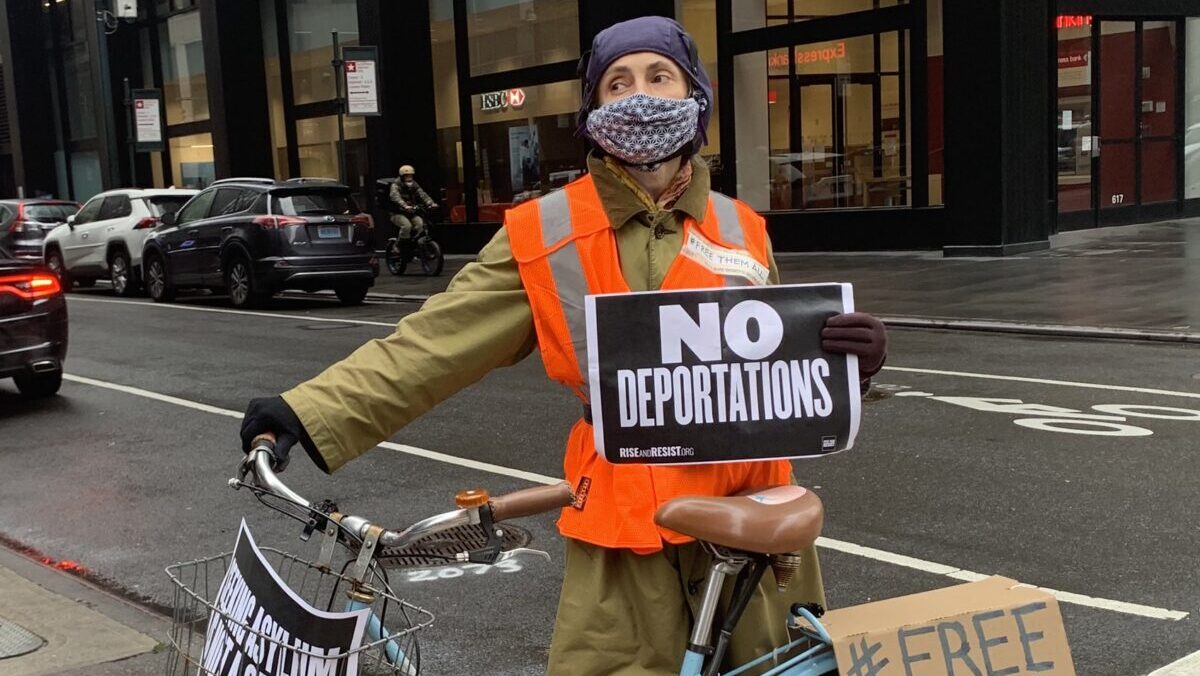
Nor is it a coincidence that the record influx of illegal immigrants during the Biden administration coincided with a sharp increase in violent crime. It is equally unsurprising that crime has fallen as deportations have increased. Deportation records show that 70 percent of illegal immigrants deported during the Trump administration had either criminal convictions or pending criminal charges in the United States. Even those who avoid arrest understand that any contact with law enforcement could lead to deportation, giving them a strong incentive to stay off the police’s radar and avoid committing additional crimes.
Finally, the number of adults carrying concealed handguns has risen sharply, with the latest survey data showing a 5-percentage-point increase in concealed carry over the past year and a half.
Americans shouldn’t blindly accept crime statistics, but they need to understand what the different numbers actually measure. The FBI’s numbers show that reported crime has fallen dramatically, while the NCVS will tell us this September whether total violent crime has also declined. Stronger law enforcement, more aggressive prosecution, and greater accountability provide good reasons to expect that the encouraging trend in reported crime reflects a real improvement in public safety.
" Conservative News Daily does not always share or support the views and opinions expressed here; they are just those of the writer."
*As an Amazon Associate I earn from qualifying purchases