The Iran War Is Splintering
Teh piece analyzes shifting dynamics around the Iran conflict as discussed at CPAC 2026 and in related coverage. It centers on reza Pahlavi, the exiled heir to the Iranian monarchy, who frames America’s struggle with Iran as an opportunity to end perpetual wars and invites a vision where Iran, the United States, Israel, and Gulf neighbors live in peace so the U.S. can bring its servicemen home. The article contrasts this with signals from Donald Trump who hints at a quicker, more limited ending, and with Israeli Prime Minister Benjamin Netanyahu’s view that leadership changes in Iran wouldn’t necessarily alter the regime’s behavior.
It also notes private Gulf-state discussions that push for continued military action until Iran’s leadership or conduct shifts, highlighting the complexity of a war that is described as six or eight wars folded into one conflict, driven by competing agendas. The author underscores the possibility that the war Trump envisions may not match the reality on the ground, and that de-escalation could occur in response to regional escalation. The piece includes multimedia elements, such as a CPAC video of Pahlavi’s speech and social media embeds, and closes with a short author bio for Chris Bray, a former U.S. Army sergeant and Substack writer. Tags associated with the discussion include Netanyahu, CPAC, Trump, Gulf states, Iran War, Israel, Reza Pahlavi, Saudis, and related topics.
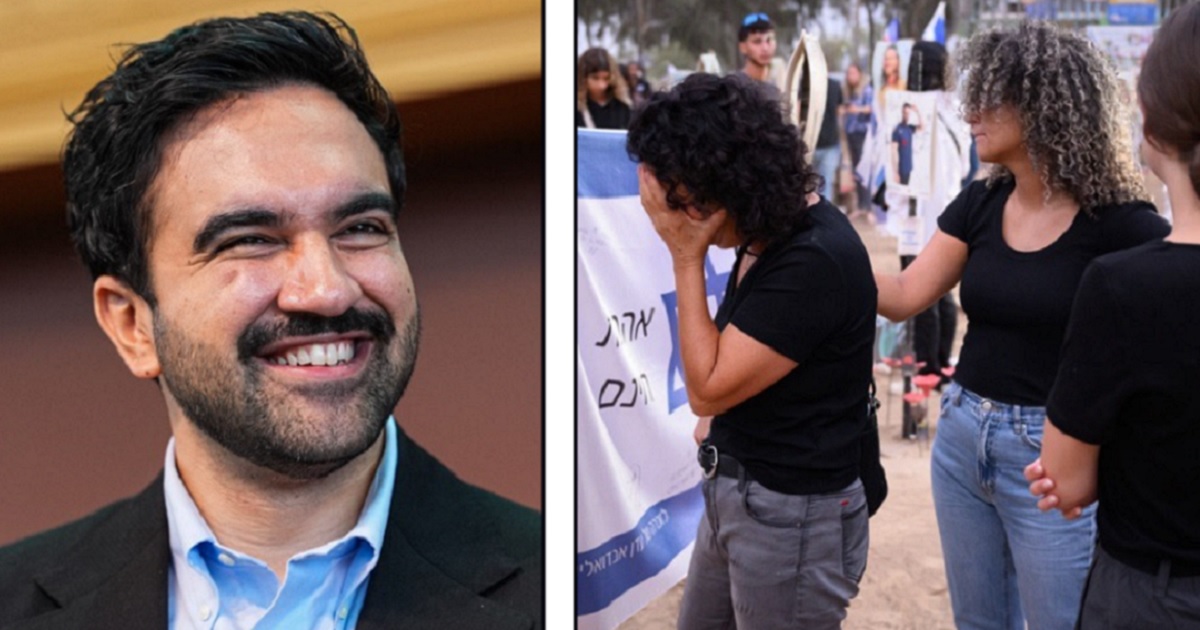
Speaking at CPAC on Saturday, the exiled heir to the Iranian monarchy depicted America’s war with Iran as an epochal war to end all wars. You win this one, Reza Pahlavi told an American audience, and then you never have to fight in the Middle East again.
“Under this vision,” he said, “Iran, the United States, Israel, and our Arab neighbors are bound together in peace and prosperity rather than conflict and terror, a Middle East where we will be able to handle our own affairs and manage our own backyard. When we can put an end to the endless wars and allow our American friends to bring back their sons and daughters in uniform and focus where they want to, back home.”
Pahlavi is arguing for more war as less war, one victory that leads to lasting peace. Keep going so you can stop. The audience at CPAC roared its approval.
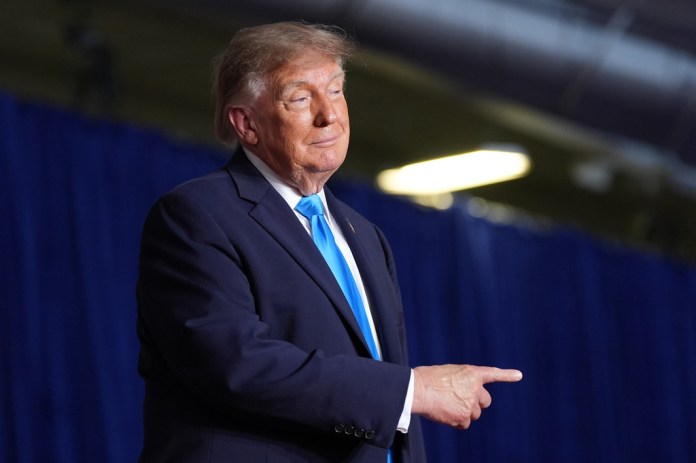
As Pahlavi was arguing for persistence, President Donald Trump was signaling a not-enormously-subtle preference for a near-term ending, suggesting that it would be good enough to replace an ayotallah with some better ayotallahs:
We’re developing a conflict over the conflict: How far do we go, and what will the chosen ending mean?
As Trump signals that we have a better Iranian regime in place without completing a regime change, Israeli Prime Minister Benjamin Netanyahu has been signaling that he regards new leaders in the same theocracy as a meaningless change. As a recent story in The Times of Israel quotes him, “It does not matter who replaces them.” New faces aren’t a new government. Like Reza Pahlavi, Israel wants to keep going.
Finally, a March 30 story from the Associated Press presents at least some evidence that Arab states in the Middle East also want more war: “Gulf allies privately make the case to Trump to keep fighting until Iran is decisively defeated.” You can take a bunch of anonymously sourced claims for what they’re worth, but this is at least a plausible guess about Arab countries that have never been comfortable with the Persian theocracy:
Officials from Saudi Arabia, United Arab Emirates, Kuwait and Bahrain have conveyed in private conversations that they do not want the military operation to end until there are significant changes in the Iranian leadership or there’s a dramatic shift in Iranian behavior, according to the officials, who were not authorized to comment publicly and spoke on the condition of anonymity.
The growing problem with the war in Iran is that it’s six or eight wars wrapped up inside one fight, driven by a long series of competing agendas. The war Trump intends may not be the war that’s actually underway, and America may de-escalate in the face of regional escalation. We’ll see.
" Conservative News Daily does not always share or support the views and opinions expressed here; they are just those of the writer."
*As an Amazon Associate I earn from qualifying purchases