Texas AG Candidate Tried To Force Towns To OK ‘Sharia Cities’
A Federalist report examines Texas state Senator Mayes Middleton’s push too curb local zoning control in teh name of addressing the housing crisis, against the backdrop of a controversial Muslim-centered development in North Texas. Middleton, who is running for attorney general, filed Senate bill 854 in January 2025 to require municipalities to approve multifamily or mixed-use housing on land owned by religious institutions, limiting local authorities’ ability to block such projects and exposing officials to lawsuits. The bill was framed as treating religious groups equally and would apply across all faiths, effectively giving religious organizations a “purely ministerial” duty to approve housing developments.
The article situates the bill within the EPIC City controversy-a proposed 400-acre Muslim-centric community that sparked public backlash and drew comments from Texas Gov. Greg Abbott about Sharia law. Although the U.S. Department of Justice opened an investigation into EPIC City, it was closed after developers agreed to follow federal fair housing laws. In response to opposition,Middleton released a revised statement that removed the word “mosque” from the bill’s framing but retained language allowing churches and other faith-based groups to use their property for housing without the usual zoning hurdles.
Critics, including Rep. Chip Roy (who is challenging Middleton for attorney general), argued the measure would promote Islamification and flood Texas wiht inexperienced leadership in a legal role.Middleton did not respond to a request for comment by publication. The piece is written by Brianna Lyman, an elections correspondent for The Federalist, and it links to related coverage and tags such as East Plano Islamic Center, housing, Islam, Sharia, and texas.
A Republican Texas state senator now running for attorney general once authored a bill that would strip local governments of their ability to block religious housing developments, including the creation of Islamic cities.
State Sen. Mayes Middleton filed Senate Bill 854 in January of 2025, pitching it as a solution to Texas’ housing shortage. The legislation would require municipalities to approve multifamily or mixed-use housing projects built on land owned by religious institutions, and limit locals’ ability to stop the development. According to the bill, municipalities would have a “purely ministerial” duty to rubber-stamp projects while also exposing municipalities to lawsuits if they tried to block construction.
Middleton framed the legislation in his statement of intent as fighting back against “unnecessary governmental interference” and made clear the scope of the legislation extended across all religious groups.
This legislation empowers churches, synagogues, mosques, and other religious groups to use their land to benefit their communities, aligning with their mission to serve those in need. S.B. 854 ensures that religious organizations have the freedom to use their land for housing development without unnecessary governmental interference.
Middleton said in subsequent testimony that his bill would permit religious institutions to make “multifamily and mixed use housing on their land as a matter of right without requiring cumbersome zoning changes, special variances, or land use approvals that needlessly delay or block development.”
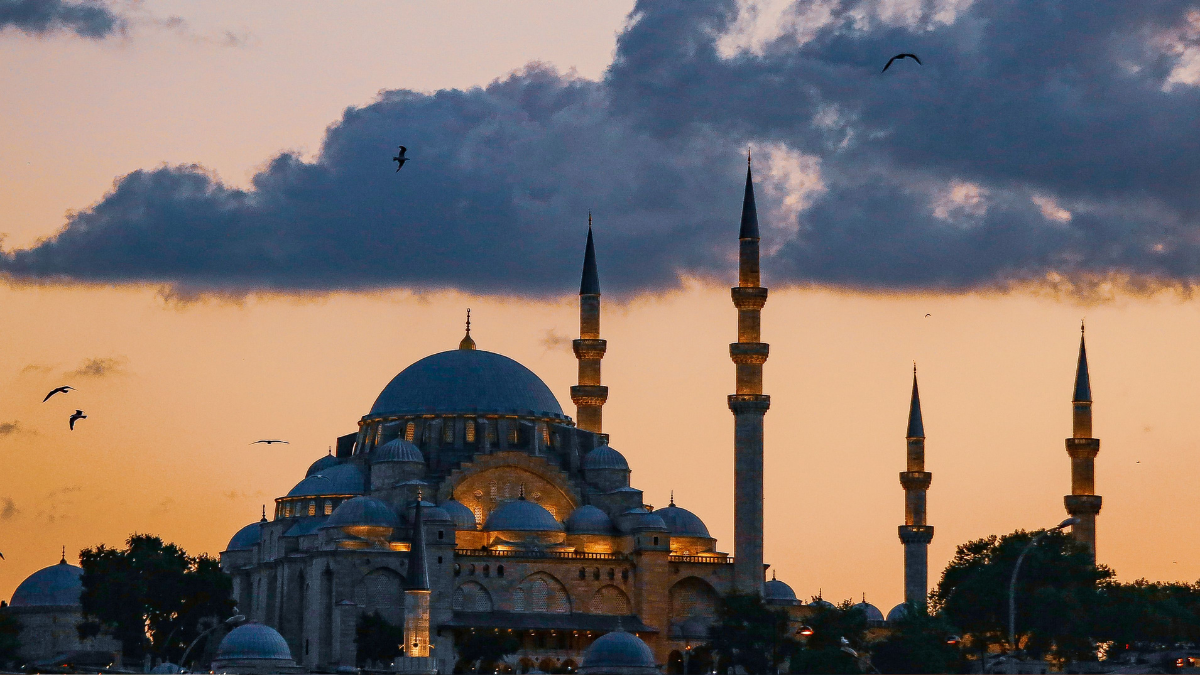
But at the same time Middleton was proposing this legislation, Texans were fighting a proposed Muslim-centric community known as EPIC City. The project set out to build a 400-acre community fit with religious schools, a mosque, and homes, according to Spectrum Local News. As reported by News Nation, “The development aims to create a self-sustaining community for local Muslims.”
Texas Gov. Greg Abbott said the plan seemed “to imply” a “no go zones” with “Sharia.”
“To be clear, Sharia law is not allowed in Texas,” Abbott said in a 2025 post on X. Developers of the community said they were obeying state and local laws, such as the Fair Housing Act, according to News Nation. The Department of Justice later launched an investigation into the East Plano Islamic Center (EPIC) City, though the investigation was closed after developers “agreed to follow federal fair housing laws,” according to KSAT.
Amidst the opposition to the Muslim city last year, Middleton released a new statement of intent that specifically removed the word “mosque” but still specified that the legislation would allow “churches and other faith-based organizations to utilize their property for housing solutions that address Texas’ affordability crisis while maintaining their mission to serve the community.”
In other words, the mechanics of the legislation didn’t change, just the front-facing language, given the public backlash to a potential Islamic city. Middleton’s legislation would still significantly hinder local governments’ ability to stop projects like EPIC City, even as public opposition grows.
Rep. Chip Roy, who is running against Middleton in the attorney general race, told The Federalist the “bill would fuel the Islamification of Texas in the false name of religious liberty and exemplifies why Texas shouldn’t elect an inexperienced politician playing lawyer – like David Mayes Middleton II – as the Chief Legal Officer of the State. We need an accomplished attorney as Attorney General who knows how to look down the field, not someone who endangers us while trying to score cheap political points.”
Middleton did not return a request for comment by the time of publication.
" Conservative News Daily does not always share or support the views and opinions expressed here; they are just those of the writer."
*As an Amazon Associate I earn from qualifying purchases