Supreme Court May Be Poised to Strike Down Acceptance of Mail-In Ballots After Election Day, Following Oral Argument Comments
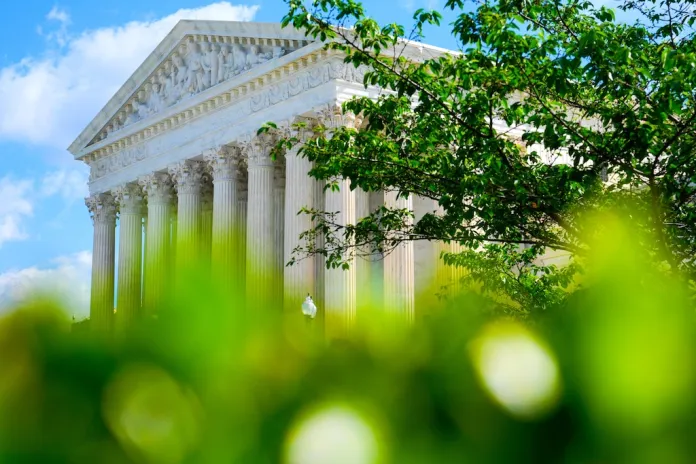
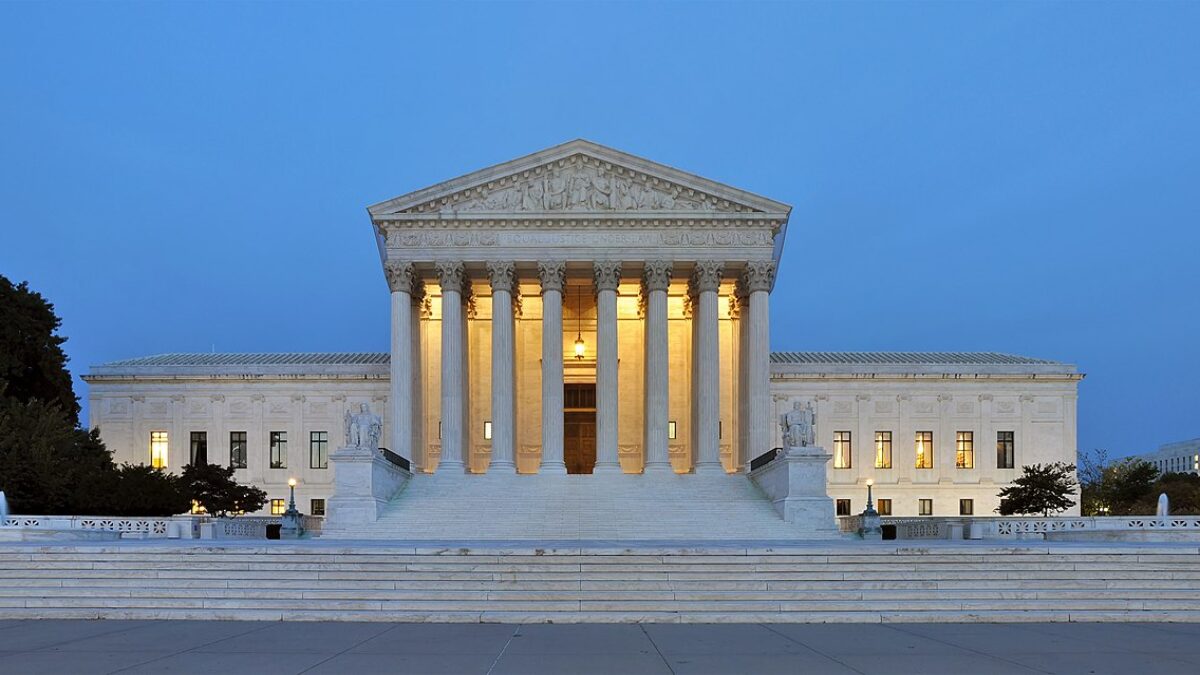
Teh piece reports on Monday’s Supreme Court oral arguments in Watson v. Republican National Committee, which challenge mississippi’s grace-period for counting mail-in ballots. Mississippi allows ballots postmarked by election Day to be counted if they arrive within a specified grace period, raising questions about whether this practise conflicts with federal law that sets Election Day but is silent on post-election counting details.
Key points:
– The case asks whether Mississippi’s grace period is preempted by federal election-law provisions that govern federal elections.
– The court’s conservative justices appeared skeptical about the Mississippi law, with Justice Alito raising questions about the meaning of Election Day and the viability of counting late-arriving ballots.
– liberal justices were more hesitant about the court’s involvement in the issue,suggesting that such policy questions might be left to states.
– The administration sided with the RNC’s challenge, arguing that states can still allow early voting, but the timing of counting ballots remains a state decision.
– Irrespective of questions and pointing remarks, observers caution that questioning in oral arguments does not predict the outcome; the decision could either uphold or strike down the Mississippi grace-period law, possibly affecting how states handle post-Election Day ballots and the broader practice of early voting.
If Monday’s Supreme Court arguments are any indication, the endless election might have had its day.
In two hours of arguments, the justices heard the Republican National Committee’s arguments for tossing a Mississippi election law that established a grace period for mail-in ballots to come in and still be counted, as long as they are postmarked by Election Day, according to CBS News.
At issue is whether that violates the federal law that sets a specific calendar day for federal elections.
According to multiple news accounts, the court’s conservatives were skeptical that the law passes muster.
BREAKING: SCOTUS Justice Sam Alito just DROPPED THE MIC on liberals who want us to receive endless mail-in ballots after election *day*
“We have LOTS of phrases that involve two words, the last of which, the second of which is DAY. Labor DAY, Memorial DAY, George Washington’s… pic.twitter.com/rA7gKMPafz
— Eric Daugherty (@EricLDaugh) March 23, 2026
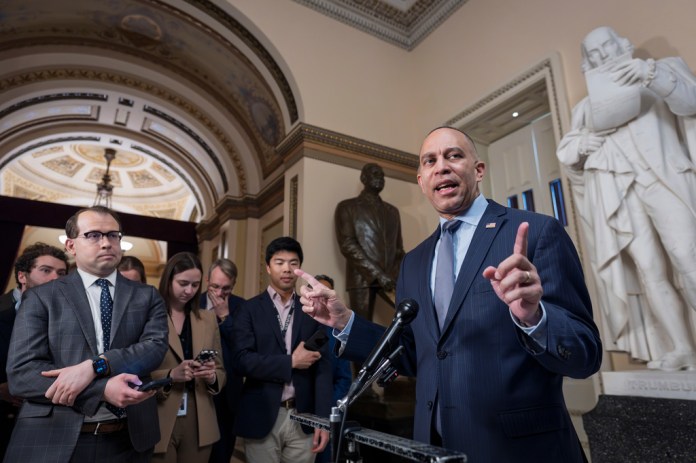
“We have lots of phrases that involve two words, the last of which, the second of which, is ‘day,’” Justice Samuel Alito said.
“Labor Day, Memorial Day, George Washington’s birthday, Independence Day, birth day, and Election Day. And they’re all particular days.
“So, if we start with that, if I have nothing more to look at than the phrase ‘Election Day.’ I think, ‘This is the day in which everything is going to take place, or almost everything.’”
Alito raised the possibility that counting ballots that come in after Election Day can give rise to the appearance of fraud if those ballots were enough to swing an election, NBC reported.
Conservative Justices Clarence Thomas, Neil Gorsuch, and Brett Kavanaugh also had concerns about the Mississippi law, according to NBC.
The three liberal justices, however, appeared to lean against the court’s involving itself in the issue at all, according to The Hill.
How justices phrase their questioning during oral arguments is not necessarily an indicator of how they will vote in the case at hand, but it can be a hint of how they’re leaning. And if Monday’s questioning is any guide, the court’s conservative majority may be poised to strike down the Mississippi law.
According to the Supreme Court-watching SCOTUSblog, the case before the court is Watson v. Republican National Committee. The court is being asked to decide whether federal laws relating to the election of presidents, senators, and U.S. representatives “preempt” Mississippi’s law.
Federal Election Day has been established by Congress as the first Monday after the first Tuesday in November in even-numbered years. However, the law is silent about administrative details.
That means policy decisions, such as Mississippi’s law accepting mail-in ballots up to five days after the polls actually close, should be left up to the states, liberal Justice Ketanji Brown Jackson said, according to The Associated Press.
Chief Justice John Roberts and Justice Amy Coney Barrett — typically two conservative votes — appeared concerned that striking down the Mississippi law could lead to invalidating state laws that allow early voting, according to CBS.
Solicitor General D. John Sauer, arguing for the Trump administration in support of the RNC’s challenge to the law, said the administration agreed that “early voting is still acceptable,” CNN reported.
Every justice asked at least one question regarding early voting, according to CBS, indicating all d a concern about a practice that has grown almost universal in the country.
As Americans voted for president in 2024, only Alabama, Mississippi, and New Hampshire had no provisions for voting early, according to a CBS News report from the time.
At one point in the arguments, Alito seemed to indicate impatience with even that.
“We don’t have Election Day anymore. We have election month, or we have election months,” Alito said, according to CBS News.
“The early voting can start a month before the election, the ballots can be received a month after the election.”
Advertise with The Western Journal and reach millions of highly engaged readers, while supporting our work. Advertise Today.
" Conservative News Daily does not always share or support the views and opinions expressed here; they are just those of the writer."
*As an Amazon Associate I earn from qualifying purchases