Senate sends annual defense bill to Trump’s desk
The Senate passed the National Defense Authorization Act (NDAA) before Christmas, marking the 65th consecutive year of approval for the annual defense bill, a rare example of bipartisan cooperation. the bill, approved by a vote of 77-20, authorizes over $900 billion in defense spending and includes a 3.8% pay raise for military personnel. The legislation, which sets Pentagon policy priorities, faced some last-minute disputes-such as disagreements over military operations near Ronald Reagan National Airport-but ultimately moved through the Senate with limited controversy.
After passing the House earlier, the bill now awaits President Donald Trump’s signature. It reflects elements of Trump’s “peace through strength” agenda,incorporating a dozen executive orders,while also placing restrictions on his presidential authority. For example, it limits the War Secretary’s travel budget unless unedited footage of certain military strikes is provided and requires congressional notification of senior official firings.
The NDAA includes provisions aimed at curbing Trump’s ability to reallocate military resources,including repealing two Iraq war authorizations used to justify strikes.It also introduces new measures, like enhanced drone countermeasures at major sports events, and tightens rules around Pentagon diversity initiatives. Conservatives opposed some provisions, such as language on Ukraine aid and federal digital currency, but the bill ultimately secured bipartisan support despite some disagreements on labor rights and reproductive health services. The legislation is viewed as a key national security measure amid ongoing tensions between congress, the Pentagon, and international conflicts.
Senate sends annual defense bill to Trump’s desk before Christmas
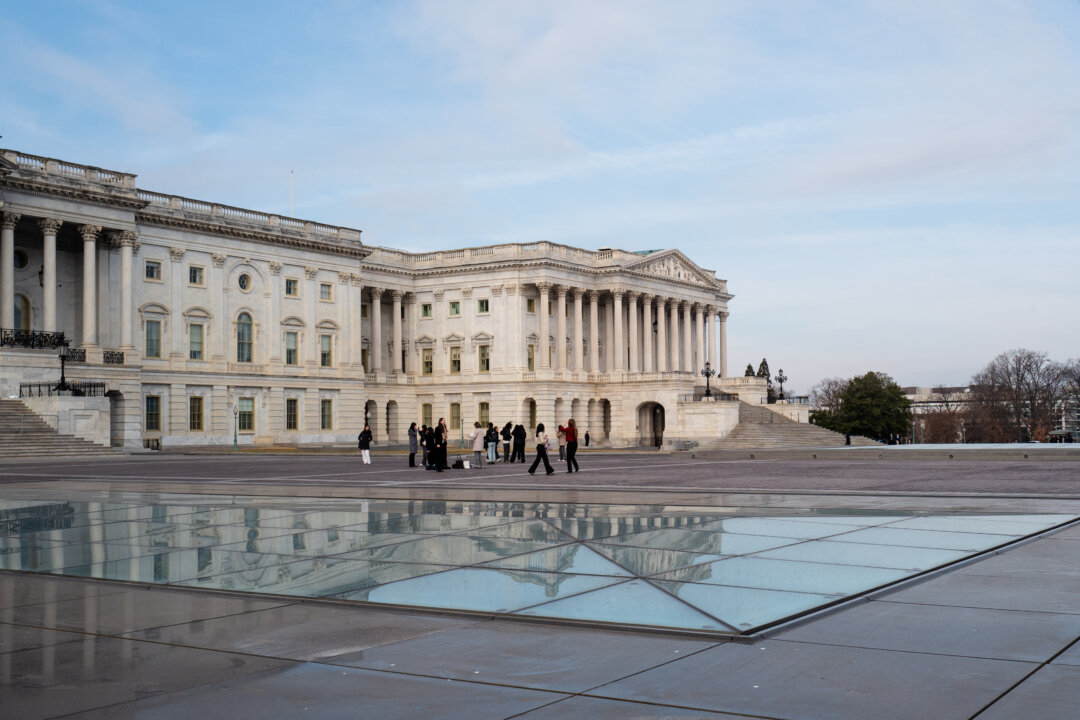
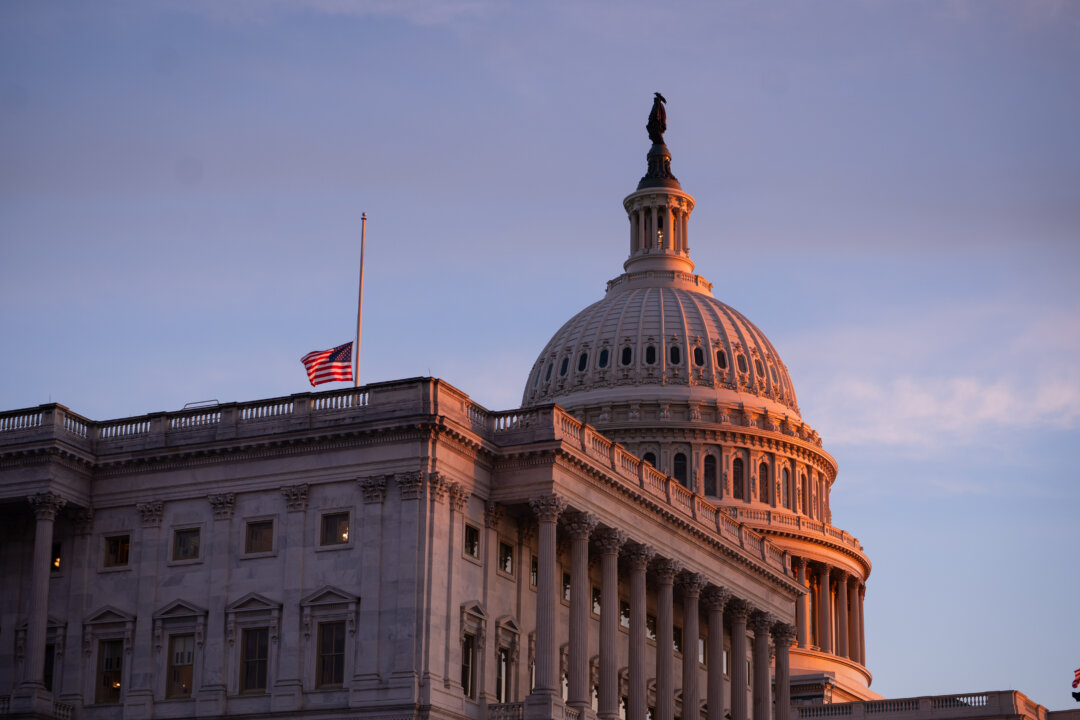
Congress met a year-end deadline to pass the National Defense Authorization Act on Wednesday, marking the 65th consecutive year that lawmakers have approved the bill, a rare show of bipartisanship.
The Senate passed the NDAA, which sets the policy priorities of the Pentagon, in a 77-20 vote, handing troops a 3.8% pay raise and authorizing more than $900 billion in defense spending.
The legislation spawned a last-minute dispute over flight safety, with Sen. Ted Cruz (R-TX) and other members of the Commerce Committee protesting language that would give the military more flexibility to operate in congested airspace near Ronald Reagan National Airport. Yet, Republican leadership was able to usher the bill across the Senate floor with relatively little fanfare, scheduling a final vote ahead of the Christmas recess.
The measure, the product of weeks of negotiations between congressional leaders and the White House, now heads to President Donald Trump’s desk after passing the House in a similarly bipartisan fashion last week.
The passage of the bill comes amid weeks of tensions between Congress and the Pentagon, fueled by an escalating conflict with Venezuela in the Caribbean. Although the White House has touted the legislation as an extension of Trump’s “peace through strength” agenda and codifies more than a dozen of his executive orders, it includes some notable limits on his authority as president.
The bill cuts War Secretary Pete Hegseth’s travel budget unless he provides unedited video of strikes against alleged drug-smuggling boats and, in a sign of frustration over a purge of senior officials, requires congressional notification of firings.
More broadly, the bill attempts to prevent Trump from shifting resources away from Europe and repeals two Iraq-related war authorizations Trump has used to justify strikes in the Middle East.
Administration officials have said Trump will sign the bill into law, citing hard-fought provisions, including new powers to counter drones at major sporting events, as well as the NDAA’s clamp-down on diversity initiatives at the Pentagon.
The drone measure, plus a host of others, was added as part of 11th-hour negotiations that briefly delayed the NDAA, which routinely gets stuffed with add-ons due to being the only must-pass piece of legislation each year.
ROGER WICKER ESCAPES TRUMP BLOWBACK DESPITE GROWING PENTAGON CRITICISM
Meanwhile, the war powers repeal is viewed as symbolic, as Trump can still use other authorities passed after 9/11. The White House has billed the winddown as part of his commitment to end “forever wars.”
Conservatives, who threatened to tank the NDAA in the House, lost a bid to include language blocking the federal government from issuing its own digital currency and bristled at the inclusion of Ukraine aid. Meanwhile, Republicans managed to win over some Democratic support, despite the exclusion of language on collective bargaining rights and the expansion of access to in vitro fertilization procedures.
" Conservative News Daily does not always share or support the views and opinions expressed here; they are just those of the writer."
*As an Amazon Associate I earn from qualifying purchases