Schumer affirms leadership plans despite opposition from insurgent candidates
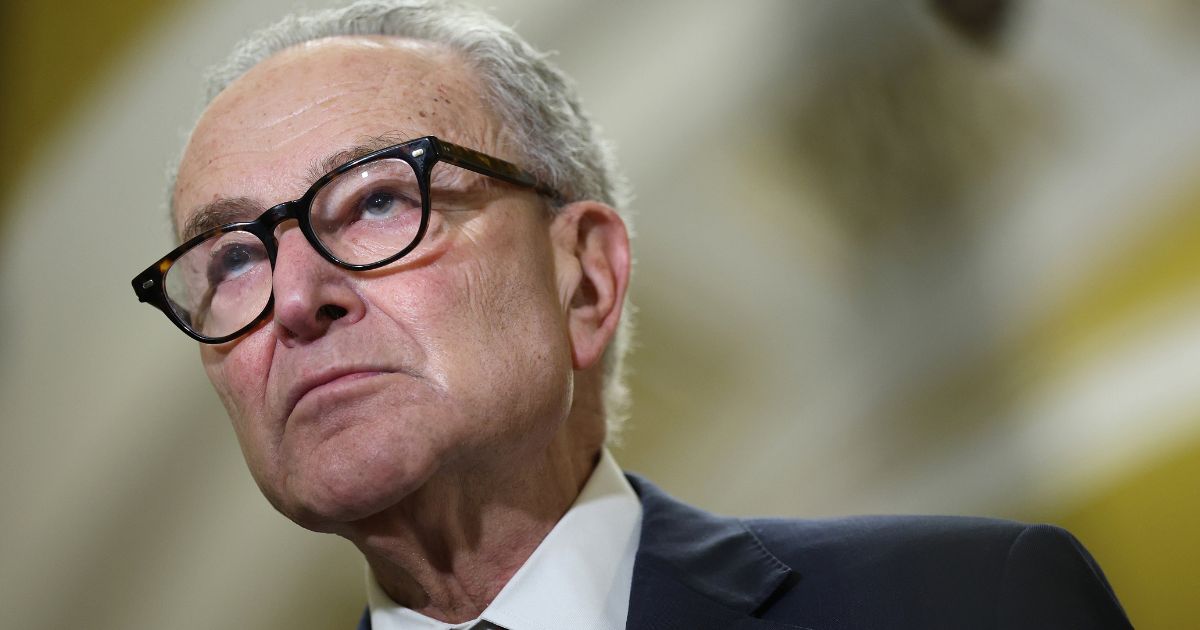
Senate Minority Leader Chuck Schumer (D-NY) intends to remain leader of the Senate Democratic caucus after the midterm elections, despite some Democratic candidates expressing opposition to his leadership. schumer has been the party leader as 2017 and served as majority leader untill 2025. Current challengers to his leadership include candidates who criticize his approach and have pledged not to support him, such as Abdul el Sayed from Michigan, Peggy Flanagan from Minnesota, Troy Jackson from Maine, and Juliana Stratton from Illinois.Some of thes candidates,like el Sayed and Jackson,have historically opposed Schumer,but recent developments suggest a complex dynamic within the party. No sitting Democratic senator has announced a challenge to Schumer, and the outcome may hinge on the results of the upcoming elections, which could shift the balance of power in the Senate. Schumer emphasizes winning key races over internal leadership conflicts, with the focus remaining on electoral success before addressing caucus leadership issues.
Senate Minority Leader Chuck Schumer (D-NY) said he plans to remain atop the Senate Democratic caucus after the midterm elections, even as several candidates on the Democratic ticket say they would not support a sixth bid from Schumer to lead the party.
Schumer has long been expected to seek another term at the helm of the chamber’s Democratic caucus, but on Wednesday, the minority leader solidified his intention to lead the party again.
Stay informed.Stay ahead.
Join Washington Examiner for unlimited access to the news, analysis, and commentary that matter most.
Already a member? Log in
“I am running for reelection for leader, period,” Schumer told Politico.
Additionally, Schumer told Punchbowl News that the outcome of the midterm elections has no bearing on his decision to seek party leadership.
The New York Democrat has led the party’s caucus since 2017, succeeding the late Nevada Sen. Harry Reid. He served as majority leader from 2021 until Republicans regained control of the chamber in 2025.
But the Democratic candidates who could help the party regain control of the Senate may complicate Schumer’s effort to hold on to his leading role.
Michigan Democratic Senate nominee Abdul el Sayed, Minnesota nominee Peggy Flanagan, Maine nominee Troy Jackson, and Illinois nominee Juliana Stratton have all said they would not support Schumer for another term as leader. While Stratton is likely to win her election in deep-blue Illinois to replace retiring Sen. Dick Durbin (D-IL), the other three candidates emerged from competitive Democratic primaries in which candidates critical of party establishment gained ground.
El Sayed has long been critical of Schumer’s leadership and has positioned himself as an anti-establishment candidate, saying Schumer represents the elite class of the Democratic Party and that he opposes his leadership. Schumer had backed el Sayed’s primary opponent, Rep. Haley Stevens (D-MI), for the toss-up seat, but endorsed el Sayed after Stevens’s loss.
Since winning the nomination, el Sayed has warmed to Schumer, as having the backing of the centrist wing of the party, which supported Stevens in the primary, will be crucial in taking on Republican nominee Mike Rogers.
El Sayed met with Schumer and other prominent Democrats in recent weeks, who have all rallied behind the hopeful as the race increasingly looks in the Left’s favor.
Minnesota Lt. Gov. Flanagan, who is also a more progressive Democrat, has actively opposed Schumer’s leadership of the party, saying “it’s time for new leadership.” Flanagan will face Michele Tafoya in November as the two look to replace Sen. Tina Smith (D-MN), who is retiring. The open-seat race is rated “Likely Democrat” by the Cook Political Report.
In Maine, Jackson has also said he would oppose Schumer seeking another term. Jackson’s opposition comes as a deeper cut, particularly because the seat currently held by Sen. Susan Collins (R-ME) is viewed as one of the party’s prime pickup opportunities.
“The Democratic Party needs to have a different approach — getting people back in the party, getting working-class, everyday people back in the party — and I don’t believe it’s going to happen with Sen. Schumer,” Jackson previously told the New York Times.
Stratton has made her stance on Schumer clear, saying she is a hard “no” on supporting him in seeking another two years leading the caucus. Unlike Jackson and el Sayed, Stratton is poised to take the seat being vacated by Durbin, but has followed the progressive script.
The criticism of Schumer’s leadership has not yet produced a clear challenger from within the Senate Democratic caucus. No sitting Democratic senator has publicly launched a bid to replace Schumer, and the candidates opposing him still need to win in November.
The leadership question could therefore depend in part on the composition of the caucus after Election Day. Republicans currently hold the Senate, but Democrats will need to net four seats in the midterm elections to take control of the chamber.
TRUMP WAVES OFF REPUBLICAN BREAKS AS MIDTERM GROWS CLOSER
Schumer, meanwhile, has continued to emphasize winning crucial races over extracting promises of loyalty from Democratic nominees — including candidates who oppose him.
His approach to internal dissent has remained steadfast: win first, and settle the leadership fight afterward.
" Conservative News Daily does not always share or support the views and opinions expressed here; they are just those of the writer."
*As an Amazon Associate I earn from qualifying purchases