OPEC+ agrees to raise oil production quotas amid Iran war
OPEC+ has agreed to modestly raise daily oil production quotas to help ease a tightening global supply amid the ongoing Iran-related conflict. Eight member countries committed to a total increase of 206,000 barrels per day, to take effect in may: Saudi Arabia and Russia each adding 62,000 bpd; Iraq 26,000 bpd; the United Arab Emirates 18,000 bpd; Kuwait 16,000 bpd; and Kazakhstan, Algeria, and oman each increasing by under 10,000 bpd. While the move could bolster supply, the real impact depends on the conflict dynamics in the Middle East, including potential disruptions associated with the Strait of hormuz.
The article notes Iran’s chokehold over the Hormuz Strait has disrupted oil trade and shipping, though some passage has resumed and Iran has imposed tolls and bans on certain vessels. Simultaneously occurring,political commentary surrounding the situation includes President Trump’s assertion that the war could end in a few weeks and threats to strike Iran if the strait remains closed,with the administration signaling a deadline to reopen the strait. The Hormuz bottleneck remains a factor in global oil markets,even as the quota increase from OPEC+ aims to alleviate supply concerns.
OPEC+ agrees to raise oil production quotas amid Iran war
OPEC+ has agreed to raise daily oil production quotas slightly, as the world grapples with a severe supply shortage stemming from the Iran war.
Eight countries in the major oil bloc committed to a quota hike of 206,000 barrels per day, split between them. Those are Saudi Arabia, Russia, Iraq, the United Arab Emirates, Kuwait, Kazakhstan, Algeria, and Oman.
The hike, set to take effect in May, will see increases for both Saudi Arabia and Russia at 62,000 barrels per day. Iraq will increase by 26,000 bpd, the UAE’s by 18,000 bpd, and Kuwait’s by 16,000 bpd. The other three see increases below 10,000 bpd.
While the move from OPEC+ could help increase global supply, the actual implementation date falls when hostilities in the Middle East are likely to cease.
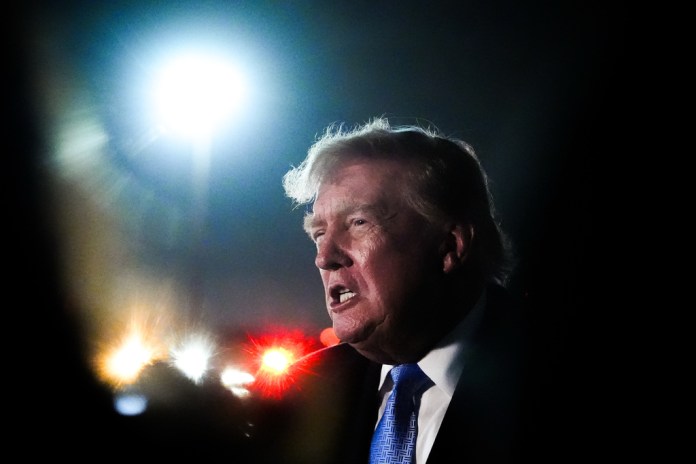
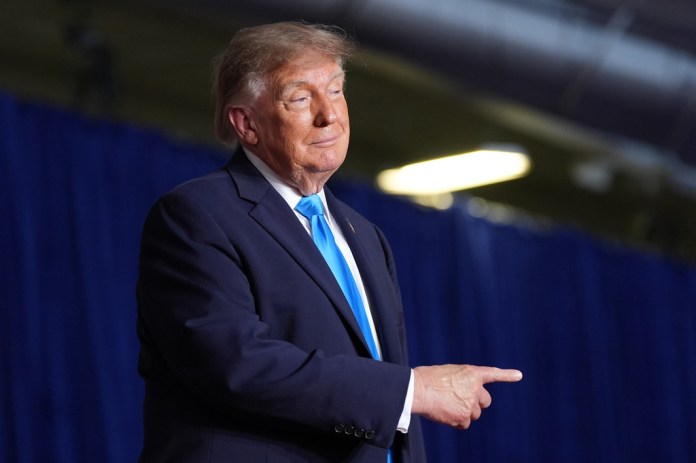
President Donald Trump has recently said the war will be over in two to three weeks, putting an end date at roughly sometime in mid-April.
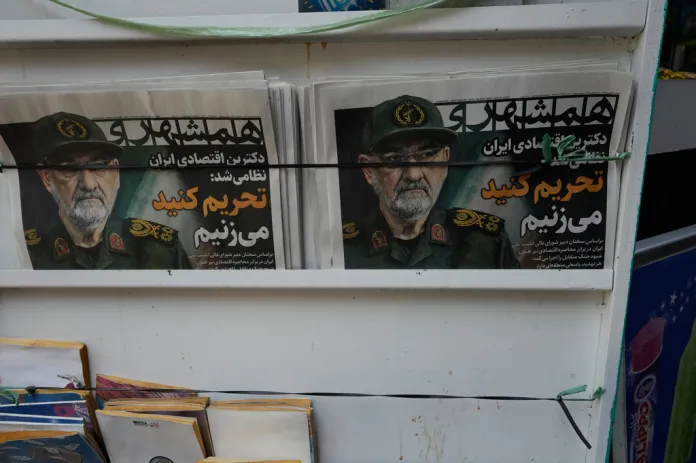
Many of the OPEC+ countries have also been affected by Iran’s chokehold over the Strait of Hormuz, which has roiled the oil trade and slowed global shipping to a trickle.
The Hormuz bottleneck is showing some signs of easing, with vessels from so-called brotherly nations and some Asian countries passing through.
But Iran is digging in on its de facto control over the strait, slapping a $2 million toll on vessels transiting the waterway and banning certain countries indefinitely.
IRAN VOWS TO CONTINUE STRAIT OF HORMUZ CHOKEHOLD IN FACE OF FIERY TRUMP THREATS
Trump, meanwhile, is looking to end the stranglehold once and for all.
His deadline for Iran to reopen the strait hits Tuesday night. If Iran doesn’t comply, Trump has said he will bomb its power plants and bridges.
" Conservative News Daily does not always share or support the views and opinions expressed here; they are just those of the writer."
*As an Amazon Associate I earn from qualifying purchases