Israel says it will occupy southern Lebanon after ground invasion
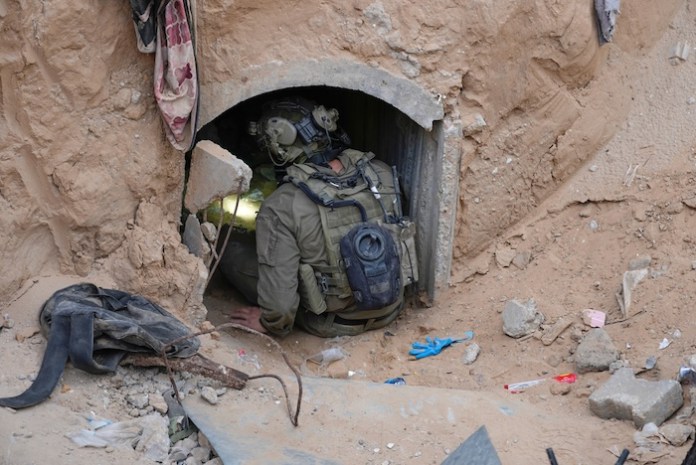
Israel plans to occupy parts of southern Lebanon after its ground operations against Hezbollah, aiming to extend control up to the Litani River and to destroy infiltrating forces and nearby weapons caches. The defense minister said the goal is to create a security zone near the border, including destroying homes in Lebanese border villages to remove threats, similar to actions taken in Gaza. As operations continue, hundreds of thousands of Lebanese civilians have been displaced, and casualties have climbed-more than 1,200 people killed in Lebanon and at least 29 killed in Israel, including 10 Israeli soldiers.
The fighting was rekindled after Hezbollah,Iran’s ally,launched rockets into southern Israel,and Israel launched targeted ground incursions into southern Lebanon. A ceasefire agreed in November 2024 required Israel to pause its campaign and withdraw ground forces from southern Lebanon, while Hezbollah was to move its personnel and equipment north of the Litani River; Hezbollah has not fully complied. The broader context is a regional confrontation linked to Iran, with the United states and Israel conducting strikes against Iranian targets and considering negotiations to end the conflict, though tensions remain high.
Israel says it will occupy southern Lebanon after ground invasion
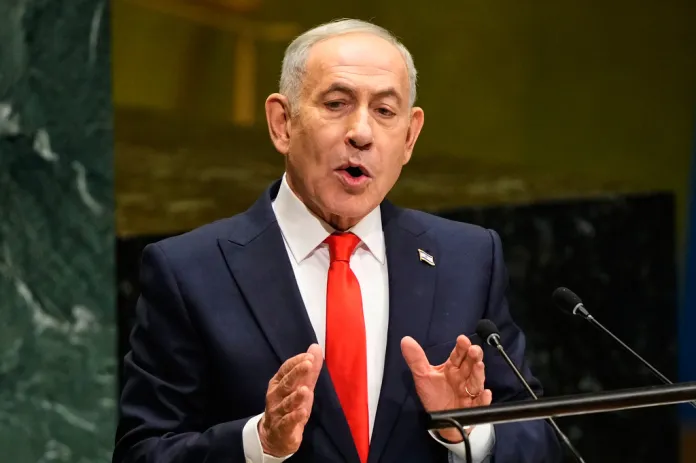
Israeli forces will occupy parts of southern Lebanon following their ground operations against Hezbollah in the area, Defense Minister Israel Katz said on Tuesday.
Katz said Israel would “control” territory “up to the Litani River,” which runs parallel to the Israel-Lebanon border about 20 miles north of it. Hundreds of thousands of Lebanese civilians have been displaced from their homes due to the renewal of hostilities between Israel and Iran-backed Hezbollah.
“At the end of the operation, the IDF would control the area up to the Litani River, including the remaining Litani bridges, while eliminating Radwan forces that infiltrated the area and destroying all weapons there,” Katz said, referring to the elite unit within Hezbollah.
He also said “all homes in Lebanese villages near the border will be destroyed — in accordance with the Rafah and Beit Hanoun model in Gaza,” in order “to remove, once and for all, the threats near the border.”
The goal, Katz said, is to create a “security zone” to ensure Hezbollah can no longer attack Israel from southern Lebanon.
Hezbollah, Iran’s proxy in Lebanon, broke the ceasefire that had been in place for more than a year by launching rockets into southern Israel in early March, saying it was in response to the death of Iranian supreme leader Ali Khamenei at the start of the joint U.S.-Israeli war against Iran.
Renewed fighting subsequently broke out between Israel and Hezbollah, and the Israel Defense Forces announced “limited and targeted ground operations” targeting key Hezbollah strongholds in southern Lebanon.
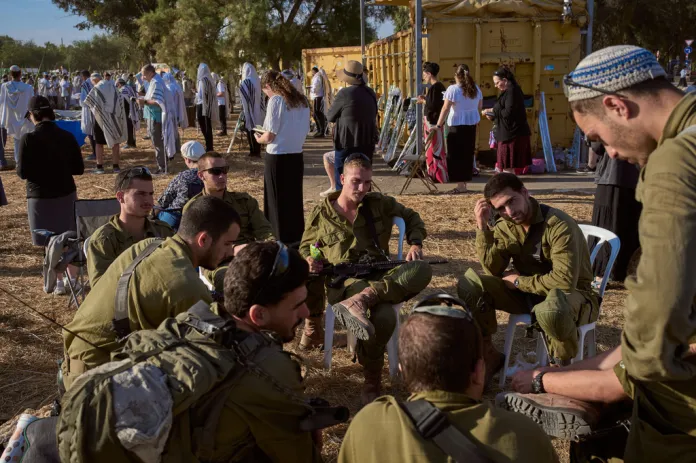
More than 1,200 people have been killed in Lebanon since the war resumed, according to Lebanon’s health ministry. In Israel, at least 29 people have been killed amid the wider war with Iran and Hezbollah, 10 of whom were Israeli soldiers slain during the ground invasion in southern Lebanon.
“The situation in Lebanon has dangerously deteriorated with the ongoing escalation between Hezbollah and Israel,” Under-Secretary-General for Peace Operations Jean-Pierre Lacroix told the United Nations Security Council on Tuesday.
The fighting between the two sides began in the aftermath of Hamas’s Oct. 7, 2023, attack in southern Israel. It had largely been a limited conflict until the IDF carried out mass surprise attacks on Hezbollah’s rank and file and brought ground troops into the south.
The two sides agreed to a ceasefire in November 2024, which called for Israel to stop its military campaign and to remove their ground forces in southern Lebanon in exchange for Hezbollah to move all of its personnel and military equipment north of the Litani River.
Hezbollah has not lived up to its end of the deal, which was actually built on the proposal that ended the 2006 Israel-Lebanon war — that, too, required Hezbollah to move north of the Litani. The group was formed in the wake of Israel’s invasion of Lebanon in 1982.
HOUTHIS’ ENTRY INTO IRAN WAR COULD HAVE SIGNIFICANT REVERBERATIONS
Israel is simultaneously carrying out a joint war with the United States against Iran, which has retaliated with missile and drone attacks targeting several in the region. Israel and the U.S. have carried out thousands of strikes across Iranian territory, targeting Iran’s ballistic missile arsenal, senior leaders, navy, air force, and more.
President Donald Trump and his administration have begun conversations indirectly with Iran about possible negotiations to end the conflict, though Trump has simultaneously threatened to escalate the war if they can’t come to an agreement.
" Conservative News Daily does not always share or support the views and opinions expressed here; they are just those of the writer."
*As an Amazon Associate I earn from qualifying purchases