Israel and Lebanon announce a new ceasefire
Israel and Lebanon announced a renewed ceasefire agreement after the third round of U.S.-led trilateral talks in Washington, D.C., but Hezbollah’s participation remains doubtful because it is not included in the negotiations.
The ceasefire is contingent on a complete stop to Hezbollah’s fire and the withdrawal of Hezbollah operatives from the South Litani sector. The framework also calls for “pilot zones” where the Lebanese Armed forces would take exclusive control, excluding non-state actors. Negotiators’ statements explicitly rejected any attempt by other governments or groups to determine Lebanon’s future, which Hezbollah leadership reacted to sharply, calling the talks “shameless” and the deal a “surrender and defeat.”
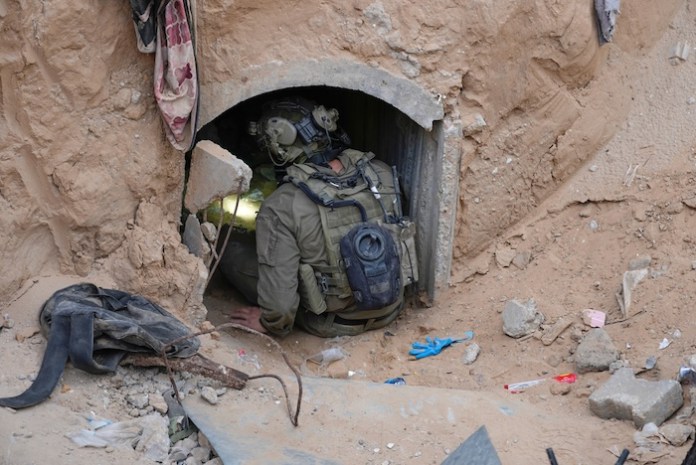
Despite earlier ceasefire announcements, fighting between israel and Hezbollah has continued largely unabated, with both sides blaming the other for provoking attacks. israeli Defense Minister Israel Katz suggested Israel’s operations will continue and that residents of southern Lebanon likely won’t be able to return soon, further casting doubt on the new ceasefire’s durability.
The Lebanon ceasefire collapse also affects broader U.S.-Iran diplomacy: Tehran said it would withdraw from negotiations unless there is a real ceasefire in southern Lebanon. Simultaneously occurring, tensions between the U.S.and Israel have grown,including a reported heated phone call between President Donald Trump and Prime Minister Benjamin Netanyahu over Israel’s Lebanon actions.
Israel and Lebanon announced the renewal of a ceasefire upon certain conditions, but the continued non-engagement of Hezbollah in the talks makes the group’s cooperation uncertain.
The ceasefire renewal, which effectively functions as a new attempt at a ceasefire, came as a result of the third round of trilateral talks between the U.S. State Department, an Israeli delegation, and a Lebanese government delegation in Washington, D.C., on Tuesday and Wednesday. The new ceasefire agreement added clear steps for Hezbollah to take, which included its exit from southern Lebanon and a cessation of fire against Israel. As with the previous ceasefire announcements, Hezbollah is unlikely to abide by the agreement, given its continued exclusion from talks. The group has repeatedly voiced its intention not to abide by any ceasefire agreement without the complete withdrawal of Israeli military troops from southern Lebanon.
Recommended Stories
“As a result of the U.S.-led negotiations, Israel and Lebanon agreed to the implementation of a ceasefire. The ceasefire is contingent on a complete cessation of Hizbollah fire and the evacuation of all Hezbollah operatives from the South Litani Sector,” a joint statement from the three negotiating parties read.
“The two sides agreed with the guidance of the United States to swiftly advance the creation of pilot zones in which the Lebanese Armed Forces will take exclusive control of the territory to the exclusion of all non-state actors,” it added — a new stipulation of the ceasefire framework.
The statement was openly hostile toward Hezbollah, saying, “All countries reaffirmed that the future of the relationship between Israel and Lebanon must be decided by the two sovereign governments. They rejected any attempt, by any state or non-state actor, to hold Lebanon’s future hostage.”
The comment was an obvious slight against Hezbollah, which has established effective control over much of Lebanon for decades. Even in its degraded state, the militant group is still several times more powerful than the Lebanese government. The statement also condemned Iran’s attacks on countries in the Middle East, and “ongoing activities that undermine stability throughout the Middle East, whether through support for proxies and all other acts of aggression.”
After the ceasefire was made public, Hezbollah chief Naim Qassem called negotiations “shameless” and said the deal is a “surrender and defeat.”
The three negotiating parties established that they would reconvene the week of June 22 for further talks.
Though a ceasefire in Lebanon was announced in April, it has essentially only existed on paper. Hezbollah and Israel have continued attacks against each other unabated, with each blaming provocations from the other as the reason for their attacks.
Further casting doubt on the viability of the new ceasefire announcement were comments from Israeli Defense Minister Israel Katz on Thursday. He said Israel’s operations in Lebanon would continue unabated, and that residents from southern Lebanon wouldn’t be able to return home.
The failure of a ceasefire in Lebanon has thrown the viability of a continued ceasefire between the U.S. and Iran in question. Earlier this week, Tehran said it would withdraw from negotiations altogether unless a true ceasefire was implemented in southern Lebanon, sparking a flurry of diplomatic activity to manage the situation.
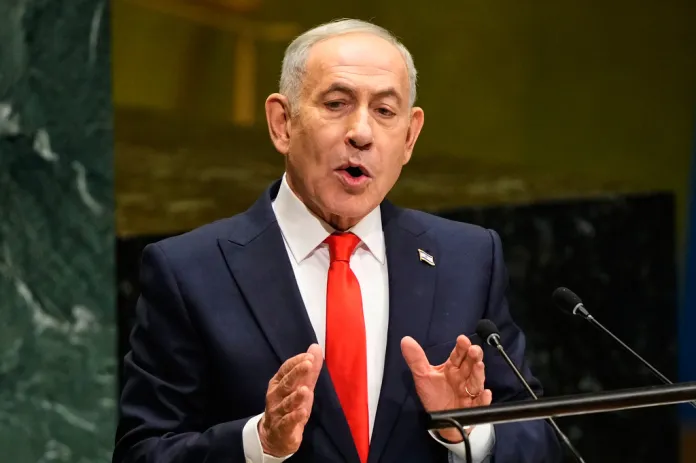
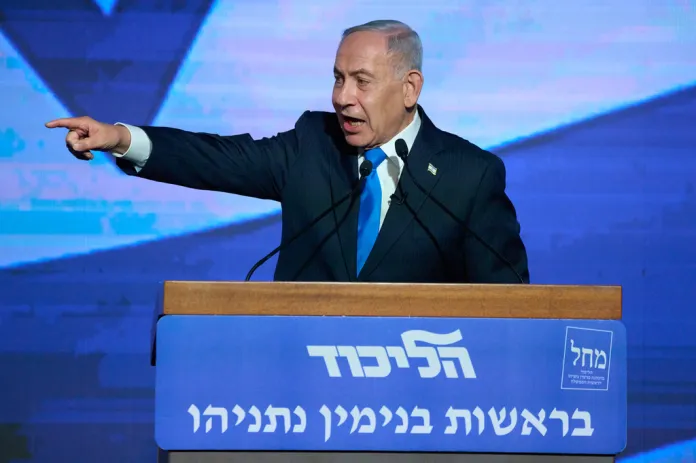
The issue of Lebanon has emerged as a key friction point between the U.S. and Israel, with President Donald Trump confirming on Wednesday that he cursed out Israeli Prime Minister Benjamin Netanyahu in a phone call over Israel’s actions in Lebanon.
IRAN HITS KUWAIT AND BAHRAIN IN ONE OF MOST DAMAGING ATTACKS SINCE CEASEFIRE
“You’re f***ing crazy. You’d be in prison if it weren’t for me. I’m saving your a**. Everybody hates you now. Everybody hates Israel because of this,” Trump reportedly told Netanyahu, according to sources speaking with Axios, which was confirmed on Wednesday. At one point, he added, “What the f*** are you doing?”
The Israeli military advanced north of the Litani River for the first time since it withdrew from Lebanon in 2000 last month, taking the historic Beaufort crusader castle.
" Conservative News Daily does not always share or support the views and opinions expressed here; they are just those of the writer."
*As an Amazon Associate I earn from qualifying purchases