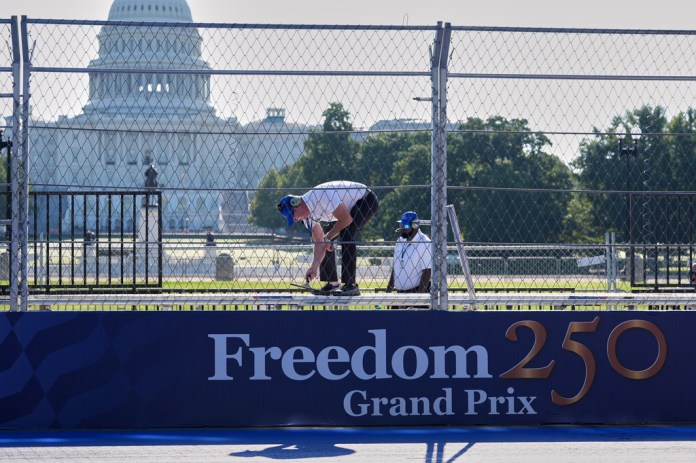
IndyCar vibrations prompt art safety study at National Gallery before DC race
The National Gallery of Art in Washington, D.C., conducted an art safety study ahead of the Freedom 250 IndyCar race, which will feature cars racing around a 1.7-mile, seven-turn course through downtown Washington on August 23. The race will involve nearly 150 laps at speeds up to 185 mph, raising concerns among preservationists about potential vibrations and vibrations impacting the historic museums and artworks nearby. The gallery’s spokesman indicated that, based on vibration studies, measures have been implemented to safeguard staff, visitors, and collections, although specific details were not disclosed.The Smithsonian also stated that its artifacts would not be affected by the race. Additionally, the event prompted infrastructure improvements, including road resurfacing funded by Penske Corporation, which also received an overwhelming number of ticket requests, totaling 288,000 after 100,000 free tickets were initially made available. preparations aim to balance the celebratory event with the preservation of Washington’s historic sites.
The National Gallery of Art has conducted an art safety study ahead of the Freedom 250’s IndyCar race in Washington, D.C., as the race cars are set to speed around the gallery and several other historic museums for the semiquincentennial celebration race.
The IndyCars will race around a 1.7-mile, seven-turn racecourse through the heart of downtown Washington on Aug. 23 during a weekend of motorsport, completing nearly 150 laps at speeds of up to 185 mph. The event has garnered excitement from the public but also concerns among preservationists about how the high speeds and vibrations from the cars could affect the historic infrastructure and art pieces housed in the various museums around the course.
Recommended Stories
A spokesman for the gallery told the Washington Post that the investigation resulted in steps to “ensure the safety of our staff, visitors, collection, and facilities” as the cars speed directly by the museum. The spokesman did not specify what the steps would be.
“In preparation for the Freedom 250 Grand Prix, the National Gallery conducted an extensive vibration study and based on the results we have implemented a set of measures to ensure the safety of our staff, visitors, collection, and facilities during the race,” National Gallery of Art spokesman Chris Abanavas said in a statement.
“While we are not releasing the specifics, I can share that any such measures are only being taken out of a great abundance of caution,” Abanavas continued.
Abanavas told the outlet that the investigation did not raise any concerns about the race affecting the structural integrity of the gallery building. The Smithsonian Institution also said none of its artifacts would be affected by the high speeds and vibrations.
DOWNTOWN DC PREPARES FOR FREEDOM 250 GRAND PRIX: WHAT TO KNOW
Penske Corporation, IndyCar’s owner, funded a road resurfacing project for the course to ensure that the district’s road infrastructure will meet the safety standards for the cars ahead of the Grand Prix.
Penske has also reported a massive number of ticket requests for the event celebrating America’s 250th birthday, with the company fielding 288,000 requests after just 100,000 free tickets were offered to the public.
" Conservative News Daily does not always share or support the views and opinions expressed here; they are just those of the writer."
*As an Amazon Associate I earn from qualifying purchases