Houthis restart strikes against Yemen in latest problem for US strategy in region
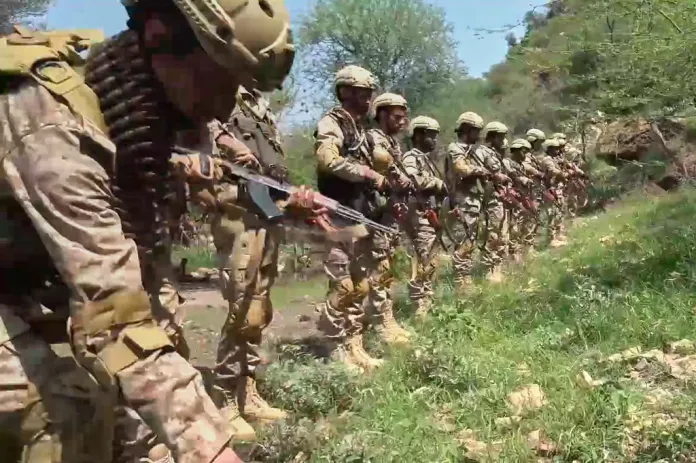
The Houthis have resumed their attacks on Yemeni government forces after a period of relative calm, initiating deadly drone and missile strikes that mark a return to full-scale civil war in Yemen. These attacks followed a ceasefire signed in 2022, which had reduced hostilities between the Houthis and the Saudi-backed Yemeni government, though they continued to attack targets in Israel and the Red Sea region. The recent strikes targeted camps affiliated with the Yemeni Emergency Force divisions, which are aligned with the Presidential Leadership Council (PLC), but are paid by Saudi Arabia and not directly controlled by the Yemeni government. Houthi spokesman Yahya Saree claimed the attacks were preemptive, prompted by perceived Saudi military buildup, and called on Yemenis to confront Saudi aggression.
The U.S. Embassy condemned the Houthis’ actions, framing them as acts of terrorism, and expressed condolences for Yemeni soldiers killed in the strikes. The escalation threatens to pull Yemen into renewed conflict, jeopardizing regional stability and complicating U.S. and Saudi efforts in the region.The Houthis, backed by Iran, have grown powerful sence taking Sanaa in 2014, possessing advanced missile and drone capabilities capable of breaching U.S. defenses. A full civil war resurgence would likely involve Saudi Arabia more deeply and strain U.S. military resources, especially in light of ongoing tensions with Iran.
The current crisis escalated after clashes last month, when Saudi or anti-Houthi forces bombed Sana’a Airport to prevent Houthi activities involving Iran. The Houthis retaliated with strikes on Saudi infrastructure, including the Abha International Airport. While Yemen’s political landscape remains fractious, with the Southern Transitional Council (STC) opposing the government, the Houthis maintain control over the majority of Yemen’s population, despite holding a smaller portion of the territory. Tensions continue to rise amidst internal disputes, external interventions, and regional rivalries, risking destabilization and complicating international efforts to resolve the conflict.
The Houthis launched several deadly drone and missile strikes against forces loyal to the internationally recognized Yemeni government, effectively resuming the Yemeni civil war after four years of inactivity.
The Houthis had largely ceased fighting with the Saudi-backed, internationally recognized Presidential Leadership Council since the group signed a ceasefire with Yemen in 2022, despite the group launching attacks against Israel and several U.S.-led coalitions over Red Sea access. That changed on Thursday, when the Houthis launched surprise missile and drone attacks against several PLC-aligned bases, killing dozens of troops.
Recommended Stories
In an announcement confirming the attacks, Houthi spokesman Yahya Saree portrayed the attacks as preemptive, saying they came after the group observed “large Saudi military build-ups in their final stages,” hitting camps belonging to the 1st and 3rd Yemeni Emergency Force divisions in Hadramout and Marib governorates. Consistent with its rhetoric, the group made no distinction between Yemeni government forces and Saudi troops, dismissing them as “Saudi enemy mercenaries.”
Saree warned Yemenis fighting under the PLC banner to flee government bases, saying, “We advise those who have been misled and deceived among the sons of our country to leave the camps of the Saudi enemy and return to their areas before it is too late.
“We call upon all our people to remain vigilant and confront any Saudi aggression, and to strike Saudi troop concentrations wherever they may be. We will continue the ‘siege for siege’ equation until the siege on our country is lifted.”
The 1st YEF division confirmed its forces were hit in strikes targeting its camps, admitting “material and human losses.”
The U.S. Embassy in Yemen, based in the PLC capital of Aden, expressed its “deepest condolences to the families of the brave Yemeni soldiers killed today in Hadhramawt and Marib.”
“The Iran-backed Houthis cowardly attacks represent yet another example of their terrorism against the Yemeni people,” it added. “We wish the wounded a speedy recovery.”
The targeting of the YEF divisions carried special propaganda value. Though fighting for the PLC, the YEF is not directly under the authority of its Ministry of Defense and is paid by the Saudis.
The opening of Operation Epic Fury had benefited from a quiet front in Yemen, allowing the United States unimpeded access to its Gulf bases and its near-undivided attention against Iran proper. Yemen’s collapse back into civil war would have major ramifications for the U.S.’s approach to the war and the region.
The Houthis have steadily grown in power since seizing the capital of Sanaa in 2014, receiving extensive Iranian help after the Saudi-led coalition intervened to oust them. The group boasts an impressive arsenal of ballistic missiles and drones, both of which have been shown to be able to breach U.S. air defenses. Given the Houthis’ conflation of all their adversaries with the Saudis, attacks against U.S. targets would be likely if the civil war fully resumes.
The war would immediately drag Saudi Arabia back in, and though its boosted military capabilities are likely to better its fortunes against the group, Yemen would come to occupy the Saudis’ full attention. The beginning of a full military campaign would bring into question the use of their bases by the U.S., and consume vitally needed interceptor missiles and munitions that are already desperately needed against the Iranians.
The civil war would also resume at an ideal time for the Houthis, and the worst time for the U.S., the PLC, and the Saudi coalition. The Houthis appear as strong as ever, having weathered the massive war to their east without much effort. The U.S. and Saudis are both exhausted materially and psychologically by the war with Iran, and the PLC has not absorbed all the elements of the opposition yet.
The wounds from the December-January conflict with the Southern Transitional Council have not yet healed and, in some ways, are actually growing worse. The STC’s remnants have grown increasingly hostile toward the central government, and figures within the group have warned that an insurgency could be brewing if the situation does not change.
The Houthis, meanwhile, have long been politically consolidated. It is also in a far better position numbers-wise, controlling 70%-80% of Yemen’s population, despite only controlling about a third of the territory. This difference in numbers is part of why the PLC has to rely on proxy forces such as the YEF, which only harm its nationalist credentials as the Houthis hold them up as pawns of Saudi imperialism.
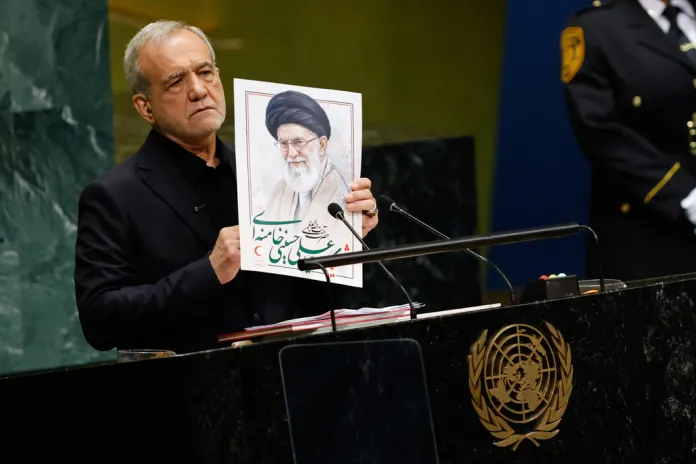
The current crisis began last month when either Saudi or anti-Houthi Yemeni air forces bombed Sanaa Airport in an attempt to prevent the landing of a Houthi delegation that was returning from Iran after attending the funeral of former Iranian supreme leader Ali Khamenei. The Houthis immediately blamed Saudi Arabia directly and retaliated with targeted strikes against the kingdom’s Abha International Airport, then energy infrastructure.
BREWING CONFLICT WITHIN THE ANTI-HOUTHI COALITION RISKS BLOWING UP THE US STRATEGY IN YEMEN
Soon after, the Houthis declared a naval blockade of Saudi Arabia, painting it as a retaliatory move against Saudi Arabia’s own naval blockade.
PLC-aligned aircraft carried out air strikes against Houthi targets late last month, but the group had held back from retaliating until Thursday.
" Conservative News Daily does not always share or support the views and opinions expressed here; they are just those of the writer."
*As an Amazon Associate I earn from qualifying purchases