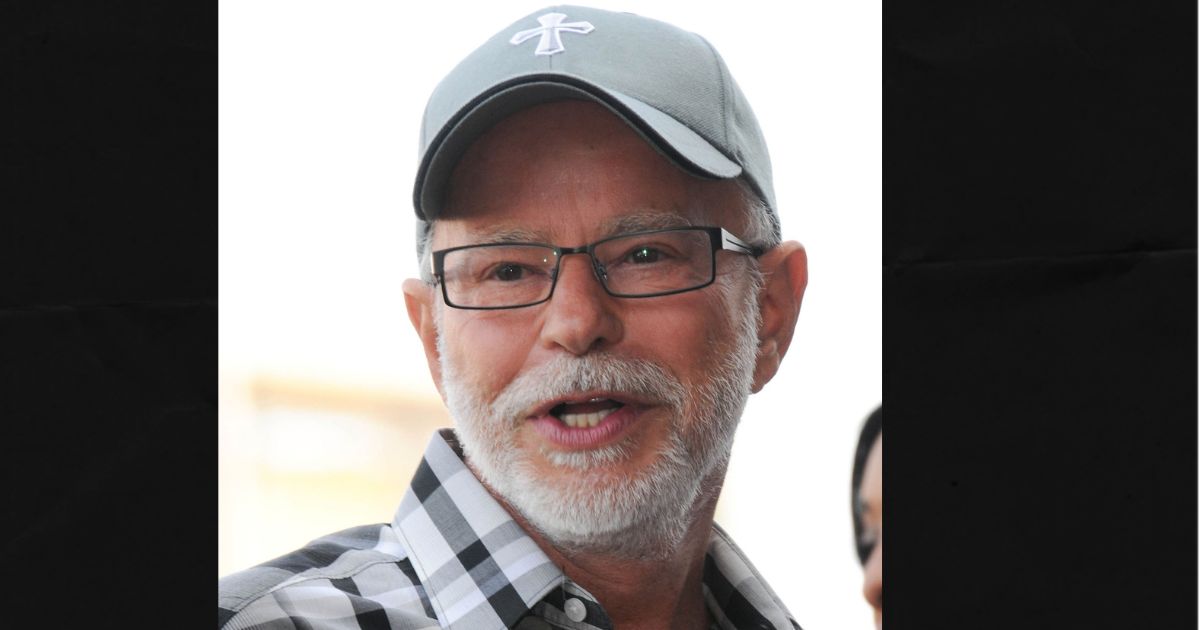
Gene Shalit dies at 100
Gene shalit, a renowned film and book critic, passed away at age 100. Born in New York City in 1926 and raised in Newark, New Jersey, he displayed a talent for humor and words from an early age. Shalit attended the University of Illinois Urbana-Champaign, contributing to the student newspaper, and began his professional career in the late 1960s as an arts reviewer, writing for major publications and hosting a popular radio program. His breakthrough on television came in 1970 when he joined NBC’s Today show, where he became a beloved and instantly recognizable critic known for his distinctive appearance-bushy hair, handlebar mustache, colorful bow ties, and glasses-and for his humorous, lighthearted reviews. Over 37 years, he influenced how millions discussed movies and books, blending wit with thoughtful commentary. Besides TV, he authored books celebrating humor and Hollywood lore and contributed to satire during the Cold War era.Shalit’s upbeat approach made arts criticism accessible and engaging, emphasizing that humor and enthusiasm are vital to cultural conversation.
We usually associate movie critics with quiet deliberation in darkened theaters or measured prose on the printed page. But if ever the job of critic was transformed into something unmistakably vivid, audaciously mustached, and alive on the small screen, then that transformation belonged to Gene Shalit, the film and book critic whose “Critic’s Corner” on NBC’s Today became a morning ritual for millions. Shalit died on June 12 at the age of 100.
Recommended Stories
Born Eugene Shalit on March 25, 1926, in New York City, he arrived in Newark, New Jersey, just eight days later. From an early age, Shalit displayed a knack for words and humor. In high school, he wrote a humor column for his school paper and, by his own later account, narrowly avoided expulsion on more than one occasion thanks to his irreverent wit.
He attended the University of Illinois Urbana-Champaign, where he contributed to the student newspaper, the Daily Illini. Several years later, another Daily Illini writer by the name of Roger Ebert would also go on to take his film-critic talents to television.
Shalit began his professional career as a writer and arts reviewer in the late 1960s. He served as senior film critic for Look magazine and for twelve years wrote the popular “What’s Happening” page for Ladies’ Home Journal. His byline also appeared regularly in the New York Times, TV Guide, Cosmopolitan, and other national publications. From 1970 to 1982, he delivered a daily radio essay called “Man About Anything” on the NBC Radio Network; the feature became the network’s most widely carried program of its kind, giving Shalit a national platform well before most Americans saw his face on television.
” data-large-file=”https://cndimages.nyc3.cdn.digitaloceanspaces.com/breaking-news/wp-content/uploads//2026/06/localimages/OBIT.062426.jpg?w=696″ height=”658″ width=”1024″ src=”https://cndimages.nyc3.cdn.digitaloceanspaces.com/breaking-news/wp-content/uploads//2026/06/localimages/OBIT.062426.jpg?w=696″ alt=”Gene Shalit obituary” class=”wp-image-4615906″ style=”width:762px;height:auto” >
His national television breakthrough came in 1970 when he joined NBC’s Today as a part-time contributor, initially focusing on books. He became a regular presence in 1973, serving as the show’s film and book critic and arts editor. For the next 37 years, until his retirement in 2010, Shalit’s “Critic’s Corner” was a staple of the morning broadcast. He reviewed thousands of films, from summer blockbusters and awards contenders to independent releases and classics, while also conducting interviews with prominent actors and directors. His segments fit seamlessly into Today’s mix of news, weather, and conversation, offering viewers a literate yet lighthearted guide to what was playing at the local theater or arriving on bookshelves.
Viewers came to recognize him instantly by appearance as much as by voice: the bushy hair, the prominent handlebar mustache, the colorful bow ties, and the distinctive glasses that gave him the air of “Daniel Boone in a bow tie and Groucho [Marx] glasses,” as one newspaper once put it. His reviews were rarely harsh; though if he thought that a movie was truly terrible, his irrepressible humor, whether intentional or not, could have the effect of softening his critique. (Exhibit A: Declaring, upon reviewing the 1987 movie Ishtar, that “‘Ishtar ish tarrible!”) Reviewing the 1991 thriller The Silence of the Lambs, he observed that it “may be all wool and a yard wide, but it makes a terrific yarn.” When discussing the first X-Men film, he advised that it “should not be taken seriously. In fact, it should be taken with two aspirin.”
Beyond the Today studio, Shalit compiled and edited books that celebrated humor and Hollywood lore. Laughing Matters: A Celebration of American Humor gathered stories, cartoons, and essays by writers ranging from Woody Allen to Garrison Keillor. Great Hollywood Wit collected memorable lines from the silver screen. Earlier, in 1962, he collaborated with illustrator Jack Davis on the satirical Khrushchev’s Top Secret Coloring Book, a satirical swipe at Cold War politics that showcased the same playful spirit he later brought to film criticism.
In an age when cultural commentary can often feel either overly solemn or reflexively cynical, Shalit’s buoyant presence reminded audiences that engaging with movies and books can be both thoughtful and fun. Before the rise of aggregated review sites and social-media hot takes, his segments helped shape how a broad national audience talked about the latest releases.
His puns and his personality turned criticism into a shared activity and made the arts a welcoming part of the national conversation. Generations of viewers grew up hearing his voice and seeing his unmistakable silhouette as they prepared for the day, absorbing not just opinions about films but a larger lesson: that humor and enthusiasm are themselves forms of serious engagement with culture. As he summed up a lifetime of turning reels of film into lively talk when he finally stepped away from Today after four decades, “It’s enough already.”
Daniel Ross Goodman (@DanRossGoodman) is a Washington Examiner contributing writer and teaches theology and religious studies at St. John’s University. His next book, Dante’s Guide to Life: How The Divine Comedy Can Change Our Fortunes, Our World, and Ourselves, will be published this fall by Angelico Press.
" Conservative News Daily does not always share or support the views and opinions expressed here; they are just those of the writer."
*As an Amazon Associate I earn from qualifying purchases