Democrats warn against leftward messaging
Democratic strategists and party leaders are emphasizing teh importance of focusing on economic issues like affordability, including lowering costs for groceries, gas, and housing, as key too winning in the upcoming November elections. House Minority Leader Hakeem Jeffries and Senate Minority Leader Chuck Schumer are campaigning on this message. However, there are concerns within the party that some candidates and ideological debates, particularly around issues like Israel and progressive policies, may distract from core economic concerns that resonate with swing voters. Despite progressives gaining momentum in primaries, many strategists believe the overall political surroundings favors Democrats, provided they stay disciplined and prioritize issues that matter most to everyday voters. Critics argue that emphasizing ideological issues may hinder the party’s ability to connect with persuadable voters in competitive districts. Prominent Democrats have also stressed sticking to practical, relatable issues such as wages, safety, and healthcare, rather than controversial or distraction-focused debates. Democrats are encouraged to maintain a clear message of economic relief to secure their electoral success.
Democratic strategists and party leaders are increasingly warning the party not to lose sight of the economic message they believe gives Democrats their best chance to win in November, arguing that progressive candidates are elevating ideological issues that may not resonate with swing-state voters.
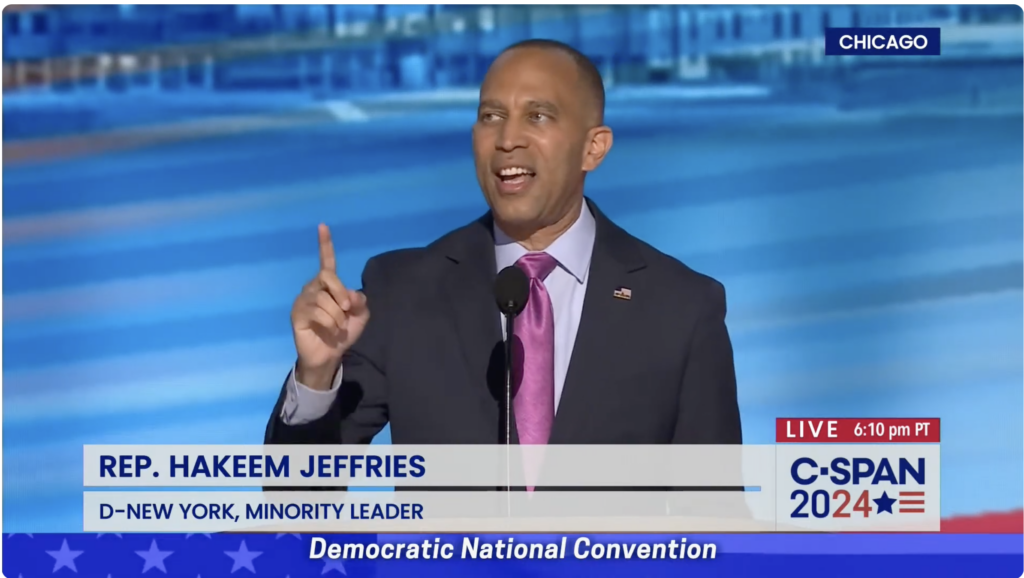
The warnings come as Democratic leaders are trying to make affordability the centerpiece of the party’s midterm campaign. House Minority Leader Hakeem Jeffries (D-NY) has spent recent weeks traveling through battleground districts with a message focused on lowering the cost of groceries, gas, and housing.
Recommended Stories
“House Democrats are fighting for an affordable America,” Jeffries told supporters during a recent stop in Pennsylvania’s Lehigh Valley. “House Democrats are fighting to lower the cost of groceries, gas, and housing.”
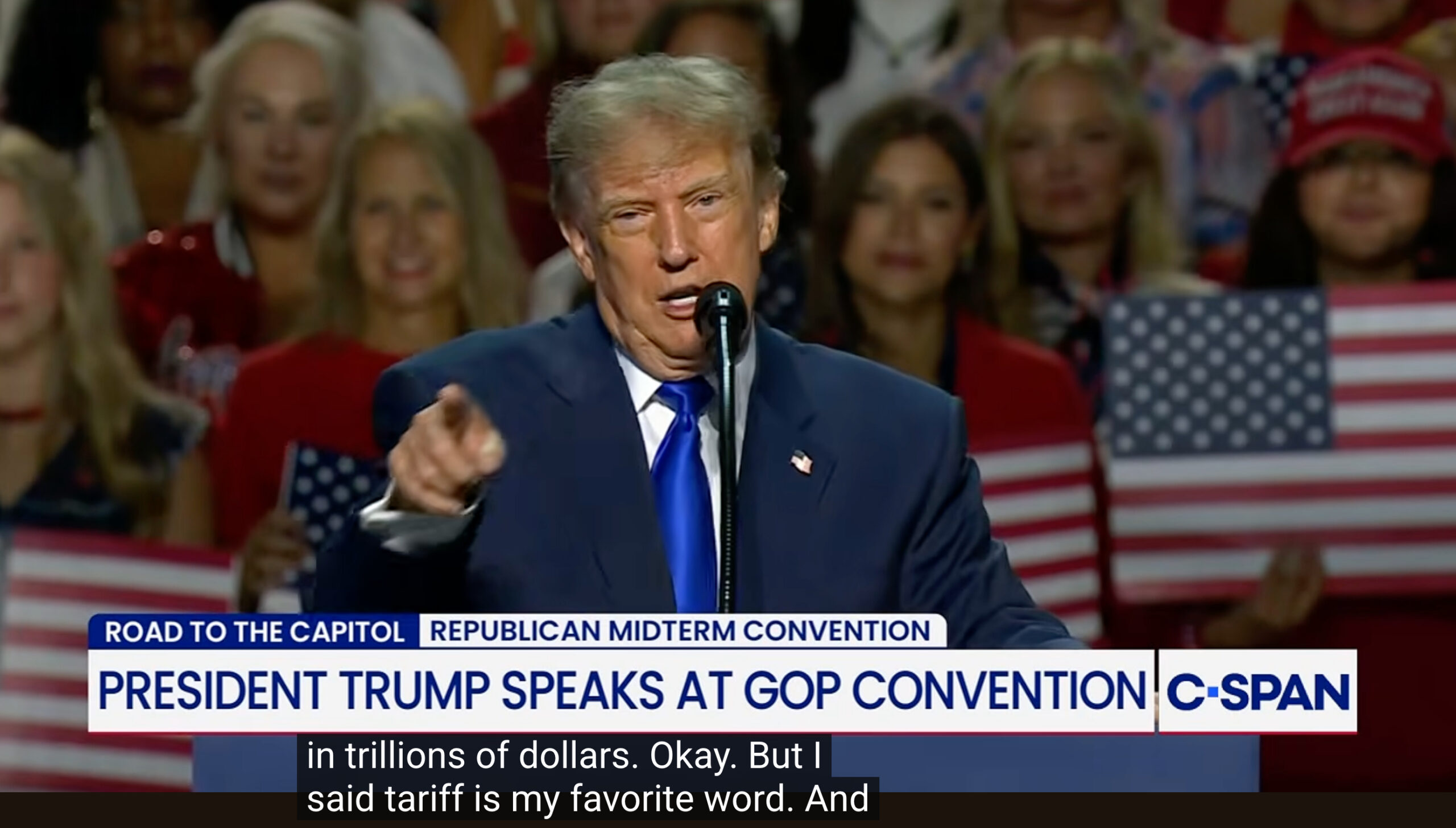
Senate Minority Leader Chuck Schumer (D-NY) has delivered a similar message in Washington. After President Donald Trump dismissed affordability as a “word made up,” Schumer said Democrats would continue fighting to lower costs.
“We’re going to keep fighting to bring down Americans’ costs and bring an end to Trump’s failed agenda that’s driving those costs up and up and up,” Schumer said.
But a potential victory for progressive Abdul el Sayed over Rep. Haley Stevens (D-MI) in Michigan’s Democratic Senate primary has reignited questions about whether Democrats are emphasizing ideological priorities at the expense of the economic and kitchen-table concerns party leaders are trying to elevate heading into November.
The closely watched race became a national proxy battle over outside spending, the influence of the American Israel Public Affairs Committee, and the Democratic Party’s evolving approach to Israel, turning it into a flash point in the party’s broader debate over its direction.
“I think that this is a real mirror image to everything that Republicans since 2010 and the tea party wave have experienced themselves in their own party,” Democratic strategist Jon Reinish told the Washington Examiner. “What will really juice primary participation has some real downsides in a general.”
Reinish said the danger is that Democrats spend too much time talking about issues that matter deeply to activists but fail to connect with persuadable voters.
“The conflict in Gaza doesn’t bring energy prices down at the pump,” he said. “It doesn’t lower the cost of milk or eggs or your electric bill. That’s what most general election voters who you need to persuade to turn out need solutions on.”
The debate comes as progressive and Democratic Socialists of America-backed candidates have gained momentum in Democratic primaries this cycle, exposing a broader ideological divide over how the party should campaign heading into November. Some of those candidates have embraced positions on immigration, policing, and Israel that critics argue could prove difficult to defend in competitive general elections.
But even as progressive candidates continue to win primaries, strategists say the party enters the fall campaign with significant political advantages.
Jim Kessler, executive vice president for policy at the centrist think tank Third Way, said Democrats are on track for a strong midterm election, arguing the broader political environment outweighs concerns about a handful of candidates who could complicate the party’s message.
“I feel Democrats are in very good shape for the midterms,” Kessler told the Washington Examiner. He predicted Democrats are likely to reclaim the House and said the Senate map has become increasingly competitive.
Still, Kessler said Democratic candidates can create unnecessary problems if they allow ideological debates to eclipse economic concerns.
“If you look at Michigan right now, it seems like Israel and AIPAC are the No. 1 issues,” Kessler said. “That just simply isn’t anywhere near the No. 1 issue for the vast majority of voters in Michigan.”
He said candidates should instead emphasize what he called “meat and potatoes” issues.
“Any time you’re not talking about people’s pay, how much things cost, their public safety, or their healthcare, you’re probably not talking about an issue that is top of mind to the typical voter in the state,” Kessler said.
Those concerns have also been echoed publicly by prominent Democrats. Former Democratic National Committee Chairman Jaime Harrison argued in June that candidates who criticize the Democratic Party should stop seeking its nomination.
“If you hate the Democratic Party, then please don’t run for our nomination,” Harrison wrote. “Don’t use our resources. Don’t rely on our volunteers. Don’t use our infrastructure.”
Veteran Democratic strategist James Carville has voiced similar concerns. During an appearance on MS NOW, Carville criticized Democrats for focusing on ideological debates instead of the issues he believes voters care about most.
“We’re having a race in Michigan and we’re talking about Palestinian self-determination,” he said. “We’re having a race in Wisconsin, we’re talking about whether we should tax Harley-Davidson 17%,” Carville said. “We’re not meeting the moment.”
MIDTERM COUNTDOWN: REPUBLICANS GET GLIMMER OF HOPE
For Reinish, Democrats already have the message they need if they remain disciplined.
“For the first time in a long time, Democrats do have a message,” he told the Washington Examiner. “We’re here to put money back into your pocket, and we’re here to use every lever of government to make your life more affordable.”
“So stick to the message,” Reinish said.
" Conservative News Daily does not always share or support the views and opinions expressed here; they are just those of the writer."
*As an Amazon Associate I earn from qualifying purchases