Clarence Thomas’ Incisive Questions Expose Big Problem with Climate Reparations Case
The content features a discussion of a legal case where Supreme Court Justice Clarence Thomas questioned the plausibility of lawsuits against energy companies and local businesses for thier impact on climate change. Boulder, Colorado, is attempting to sue international oil firms for greenhouse gas emissions, but Justice Thomas highlighted the potential absurdity of expanding such lawsuits to include small gas stations and retailers, questioning the limits of legal liability. The article suggests that if such cases succeed, many municipalities could influence energy policies through litigation, which is viewed as problematic. It also criticizes environmental activism and climate change hysteria, arguing that predictions have repeatedly failed and that efforts to dismantle the oil and gas industry are based on unreliable premises. The piece advocates for strengthening existing energy infrastructure and domestic production rather of pursuing costly legal battles and overreach,emphasizing the vital role of oil and gas in everyday products and national security.
Supreme Court Justice Clarence Thomas questioned plaintiffs in a case about potential lawsuits against energy companies on Monday, exposing how preposterous it would be to allow such litigation.
The city of Boulder, Colorado, is seeking to sue international oil companies for their supposed impact on the surrounding climate through greenhouse gas emissions, forcing them to pay reparations, The Colorado Sun reported.
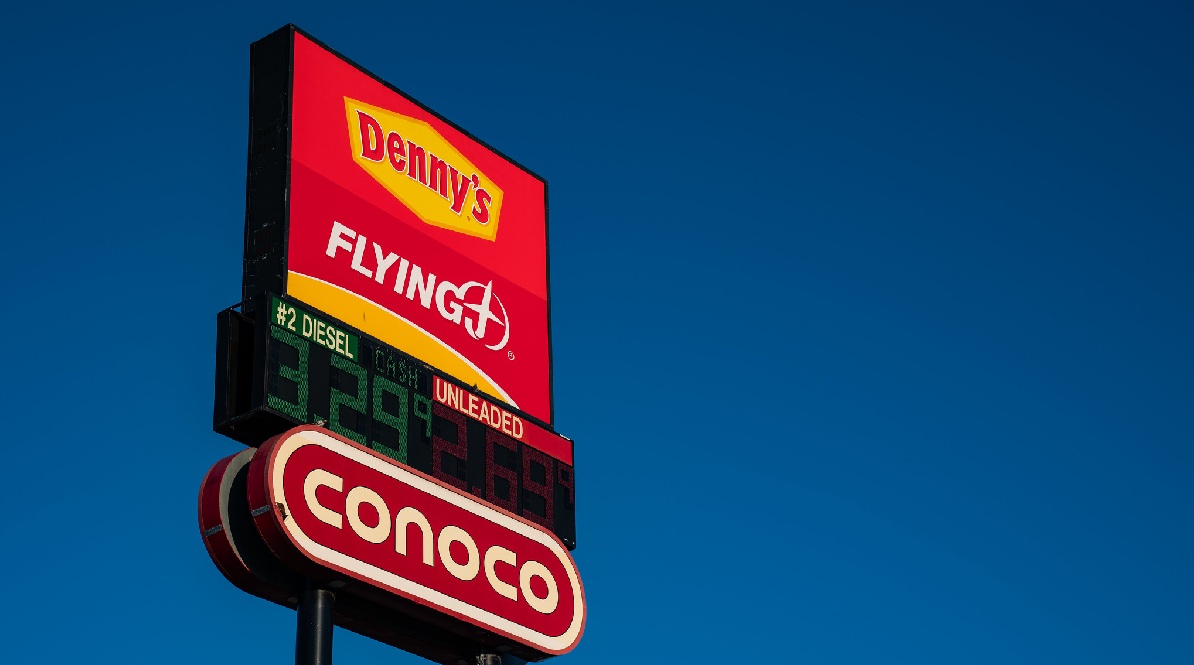
While questioning Boulder attorney Kevin Russell, Thomas pointed out that if the city succeeds, it could lead to lawsuits against local gas stations.
“If you prevail, is there a limiting principle to whom you can sue?” Thomas asked.
Russell replied, “The question here is not whether anything in the Constitution prohibits this lawsuit but whether the specific theories that they raised in the Colorado Supreme Court… are valid.”
“So you could just as easily sue large retailers of these products?” Thomas asked, to which Russell said, “Nothing in the Constitution would prevent that… In terms of when lots of people act together to cause widespread harm, which is not uncommon for multiple different defendants to be potentially liable.”
Clarence Thomas just exposed Boulder’s plaintiff prosecuting its Suncor Energy case. (Boulder wants to sue energy companies for their ostensible impact on the climate.) Thomas got Boulder’s attorney to admit that if he prevails, they could just as easily sue local gas stations.
Justice Thomas: “If you prevail, is there a limiting principle to whom you can suit?”
Kevin Russell: “There are a number. There are constitutional limitations … The question here is not whether anything in the Constitution prohibits this lawsuit but whether specific theories they raised in the Colorado Supreme Court past are valid.”
Thomas: “So you could just as easily sue large retailers of these products?”
Kevin Russell: “Nothing in the Constitution prevents that.”
Thomas: “But nothing in our theory prevents that?”
Russell: “Nothing in our theory prevents that. In terms of when lots of people act together to cause widespread harm, there can be multiple defendants liable.”
— Tom Elliott (@tomselliott) October 5, 2026
Thomas is correct. He was hinting that every Democratic city would launch lawsuits against energy companies that don’t align with a Green New Deal agenda if this case were allowed to continue.
This was highlighted by oil company lawyer Kannon Shanmugam as well during his opening statement.
“If Boulder’s claims are allowed to go forward, some 90,000 municipalities across the country will have the ability to make national and international energy policy by asking juries to impose catastrophic damages on selected fossil fuel producers,” he declared.
The fact that the high court is even entertaining this idea is troublesome.
Liberal lawmakers have developed an obsession with killing the oil and gas business.
Wind and solar energy companies are nowhere near ready to absorb the bandwidth that is currently shouldered by the oil and gas industry.
Despite this, climate change Democrats keep their predictions and proclamations vague, while waging war against America’s energy supply in an effort to reduce U.S. sovereignty and push globalism.
Climate hysteria is nothing new, but it’s radically increased over the last three decades.
The main problem with the movement is that the goalposts keep moving.
First it was global warming. Then devoted acolytes changed the term to climate change and said it could cause both warming and cooling issues.
Hollywood got into the mix with the 2004 propaganda film “The Day After Tomorrow,” which depicted the polar ice caps melting, causing chaos of biblical proportions.
Democratic lawmakers have consistently asked for billions of dollars to prepare for a day that never seems to come.
Each year, the Earth keeps spinning, and their doomsday deadlines pass without incident. Instead of admitting their scheme, they simply reset the clock and do it all over again.
Former Vice President Al Gore became the face of the climate change movement after his political career, but many of his predictions never came true and the target year for action conveniently kept changing.
In addition, environmentalists tend to immediately jump on any major weather event and deem it to be the result of climate change or greenhouse gas emissions, with almost zero evidence.
And if the current energy infrastructure was hobbled by such litigation, it would open the door for funding to be diverted to non-working alternatives.
It would also help fulfill a liberal wish list of more taxpayer money, new cushy jobs, fresh political talking points, and increased government regulation over something Americans use in their everyday lives.
Though oil and gas have drawbacks, America already declared itself to be all in. Even if the country were to pull back from so-called fossil fuels completely, the U.S. doesn’t have the infrastructure to get the energy where it’s needed.
Plus, petroleum is used in a countless number of consumer items — car wheels, lipstick, aspirin, luggage, laptops, toothpaste, sunglasses, glue, cell phones, household appliances, shoes, antihistamines, and almost everything plastic. Weaning off isn’t as easy as it sounds.
The argument for taking out the oil and gas industry is built on pillars of sand. It will quickly collapse.
Rather than focusing on lawsuits and activism, we should be further securing our existing energy supply, which is efficient, available, and more focused on updating our infrastructure to support increased domestic production.
In doing so, we’ll bolster the economy and our national security, while continuing to explore alternatives that may one day serve as a true replacement.
Advertise with The Western Journal and reach millions of highly engaged readers, while supporting our work. Advertise Today.
" Conservative News Daily does not always share or support the views and opinions expressed here; they are just those of the writer."
*As an Amazon Associate I earn from qualifying purchases