Chick-Fil-A Rejects AI Trend Sweeping Fast Food Drive-Thrus in Favor of ‘Human to Human’ Interactions
Chick-fil-A’s CEO, Andrew Cathy, has stated that the company will not implement artificial intelligence (AI) for order-taking at its drive-thru lanes, emphasizing the importance of human-too-human hospitality. While competitors like McDonald’s, Wendy’s, and Taco Bell are testing and deploying voice AI systems to automate orders, Chick-fil-A remains committed to maintaining personal interaction, believing it fosters a warm and hospitable environment. Cathy highlighted that Chick-fil-A is exploring behind-the-scenes AI applications and future food delivery methods like drones, but will keep its traditional service model unchanged. The company’s revenue grew by 14% in 2025 to $10.3 billion, with about 3,000 restaurants generating nearly $24 billion in sales. Despite industry innovations, Chick-fil-A continues to focus on human interaction, customer satisfaction, and its core hospitality values.
Chick-fil-A will not put artificial intelligence in its drive-thru lanes to take customer orders, Chief Executive Andrew Cathy told CNBC, even as rivals test voice systems built for that job.
Cathy said the chain takes a “human plus” approach to technology. It is looking at ways to use AI behind the scenes, he said, but it will not replace the exchange at the speaker box.
“From our experience, we really want that hospitality to be human to human,” Cathy said in the CNBC interview, published Sunday. “We’re not gonna substitute that interaction with technology, because we feel like that hospitality is so important to create that warm environment for consumers.”
Chick-fil-A is turning down artificial intelligence in its drive-thru lanes, choosing human employee interaction over automated order takers as competitors embrace voice technology. https://t.co/iUg1vig2lV
— Everything Georgia (@GAFollowers) October 5, 2026
Cathy made the comments in Manhattan ahead of an event for d Table, the company’s hunger-relief program. Cathy has been chief executive for nearly five years, after succeeding his father, Dan. His grandfather, S. Truett Cathy, founded the chain.
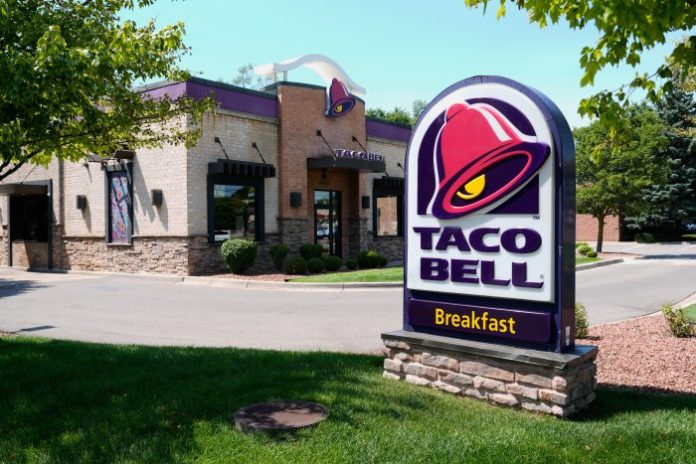
The decision sets Chick-fil-A apart from several large competitors that are already putting voice AI at the drive-thru. McDonald’s, Wendy’s, and Taco Bell have each described some version of that work.
McDonald’s said at its September investor day that it will deploy ArchIQ, an AI restaurant operating system, as part of a strategy it calls Next, Restaurant Dive reported. The platform is meant to cover drive-thru voice ordering, inventory tracking, connected kitchen equipment, and order accuracy.
Brian Rice, McDonald’s global chief information officer, said the voice tool, called Archy, can take orders in English and Spanish and has accuracy above 90 percent. In early test restaurants, he said, drive-thru customer satisfaction was above national trends, and the company expects the system to free at least 50 labor hours a week as it scales.
McDonald’s has tried this before. It worked with IBM on drive-thru voice ordering starting in 2021, then ended that partnership in 2024 after accuracy problems, Restaurant Dive reported. It had also bought suggestion software from Dynamic Yield in 2019 and sold it to Mastercard in 2021.
Wendy’s has been scaling a separate system it calls FreshAi. In a company post, Wendy’s said a 2024 pilot in two states had expanded nationwide, and that it planned to keep adding company and franchise locations through 2025.
The chain said FreshAi, built with Google Cloud language models, was processing tens of thousands of orders a day and had added Spanish-language ordering. Wendy’s said the tool is meant to handle customized orders and free crew members for other work, and that some customers had told the company the voice was clearer than a person.
Taco Bell’s parent, Yum Brands, has been testing and expanding voice AI at Taco Bell drive-thrus through a platform it calls Byte, Restaurant Dive reported. Burger King has taken a different route, using a headset assistant called Patty for point-of-sale, kitchen, and inventory questions rather than as the customer’s order-taker.
Cathy did not rule out other uses of the technology. He said Chick-fil-A is thinking about how guests will want food in the future, including drone delivery, and called it “a fun time in the industry” for those experiments.
What he said would not change is the Sunday closing and the service model at the window. Southern hospitality would evolve as ordering habits change, he said, but the company would not hand the guest conversation to a voice system.
Chick-fil-A says they will never use AI to take drive-thru orders
“We really want that hospitality to be human to human” https://t.co/ef5NmZZJZ6
— internet hall of fame (@InternetH0F) October 6, 2026
Franchise disclosures cited by CNBC show Chick-fil-A’s revenue rose 14 percent in 2025, to $10.3 billion, and that about 3,000 restaurants generated $23.92 billion in system sales. The company does not report quarterly results and has no plans for an initial public offering, Cathy said.
The chain has led fast-food customer satisfaction in the American Customer Satisfaction Index for more than a decade, CNBC reported, though Jersey Mike’s ranked above it in the 2026 study while Chick-fil-A’s score was unchanged. Cathy tied the year’s results to operators “executing on the fundamentals and adding the hospitality to it.”
McDonald’s, for its part, is also putting money into staff training. Starting Monday, the chain was set to begin a “Make It Golden” program for franchisees and employees focused on hospitality and food quality, CNBC reported, alongside the Archy tests. Chick-fil-A’s stated line is that the order itself stays with a person.
Advertise with The Western Journal and reach millions of highly engaged readers, while supporting our work. Advertise Today.
" Conservative News Daily does not always share or support the views and opinions expressed here; they are just those of the writer."
*As an Amazon Associate I earn from qualifying purchases