Carney outlines last-minute issues with US-Canada trade negotiations
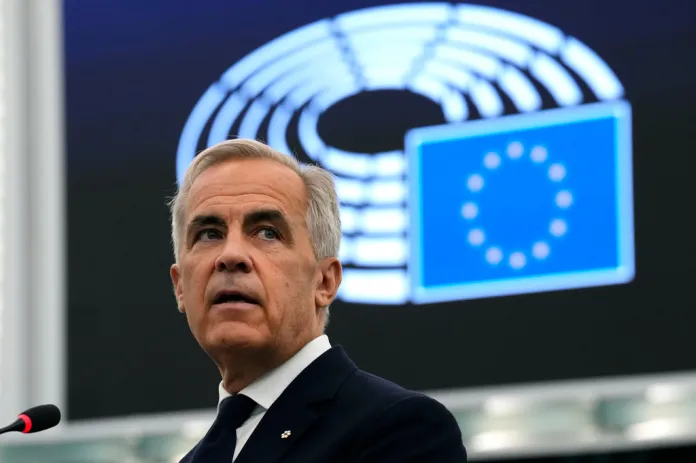
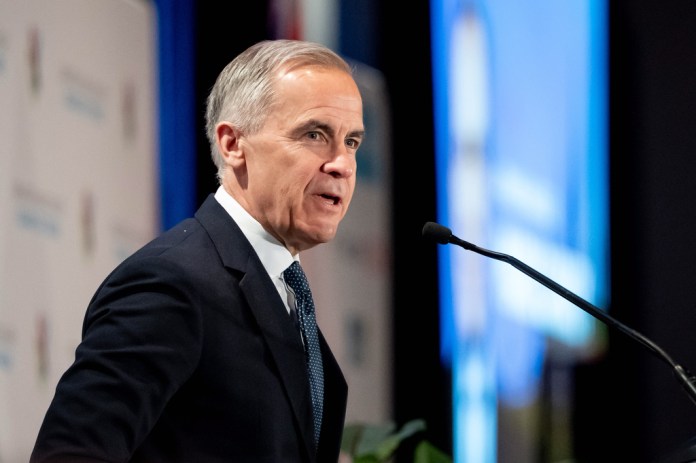
Canadian Prime Minister Mark Carney criticized last-minute U.S. negotiator demands that led Canada to withdraw from trade talks with the Trump governance. He outlined three controversial issues: changes to automobile tariffs that would exclude medium- and heavy-duty trucks like FordS Ontario plant, efforts to restrict canada’s ability to negotiate other trade agreements, and alleged attempts to impose restrictions on Canadian languages and cultural protections. Carney expressed that these last-minute changes made any deal unfair, uneconomic, and unreliable, prompting Canada’s decision to suspend negotiations. Consequently, U.S. tariffs of 50% on goods such as automobiles, dairy, and alcohol went into effect, with Canada announcing retaliatory tariffs in response. The U.S. side stated that Canada walked away from a deal after days of negotiations, citing new Canadian demands and walkbacks, while Carney focused on U.S. proposals he viewed as unfair and threatening Canada’s sovereignty and cultural protections.
Canadian Prime Minister Mark Carney detailed three of the “last-minute changes” he alleged U.S. negotiators tried to bargain for in trade talks, which he said ultimately led to his country pulling out of the negotiations.
In an overnight statement explaining Canada’s decision to suspend its trade talks with the Trump administration, Carney claimed that “last-minute changes in the U.S. proposed terms were unfair, uneconomic, and called into question the reliability of any deal.” The breakdown of a U.S.-Canada trade deal allowed the Trump administration’s 50% tariffs to go into effect on Saturday, prompting Canada to announce its own retaliatory tariffs on the U.S.
Recommended Stories
Carney fleshed out what the alleged “last-minute changes” were in a Saturday morning press conference, claiming U.S. negotiators tried to limit the deal on automobile tariffs to exclude medium- and heavy-duty trucks, bar Canada’s ability to forge trade deals with other nations, and restrict protections for Canadian language and culture. Carney also said there was an overall cumulative decline in a “willingness, in total, to enter into a true economic partnership.”
First, Carney said there was a change in the automobile tariffs agreement, that the U.S. negotiating team shifted “in terms of the level of the tariffs, the treatment of Canadian content, so Canadian parts, Canadian steel, Canadian content in vehicles.”
“Americans wanted to limit it to autos only,” Carney said. “Not include medium- and heavy-duty trucks, which is a big change.” He pointed to Ford’s automobile plant in Oakville, Ontario, which produces Ford F-350, 450, and 550 trucks, which he says would have been excluded from tariff protections under the proposed U.S. changes. He said the shift would cause the deal to be “uneconomic over time.”
Next, Carney claimed the U.S. negotiators “introduced in the last hours efforts to restrict our ability to have other trade deals.” He said Canada values free trade and called alleged U.S. efforts to restrict its other partnerships “unacceptable.”
“We’re the partner of choice, in many respects, for countries around the world, and the Americans wanted to restrict that,” Carney said. “They had language that they wanted to restrict that. Unacceptable.”
Lastly, Carney made a somewhat vague allegation, appearing to say the U.S. attempted to impose restrictions on Canadian languages. The country has two official languages, English and French.
“I’ll give you a third,” Carney said. “Continual efforts — always resisted, as I said in my remarks, and always will be resisted — efforts to restrict our protections of our language, our culture, and in effect, our sovereignty.”
The Washington Examiner reached out to Carney’s office for comment.
In a statement from U.S. Trade Representative Jamieson Greer’s office on the breakdown of negotiations with Canada, the office listed no such eleventh-hour changes, saying that Canada instead walked away from a deal that had been in place for several days.
“Tonight, Canada declined to finalize the trade deal under the terms agreed earlier this week,” Greer’s office said in the statement. “Despite the U.S. offer to Canada to receive the best treatment of any major exporter to our market, new demands and walkbacks of other commitments by Canada have upended the careful balance reached in the past days.”
“In addition, Canada is continuing to maintain its prolonged retaliation against the United States, including, among other things, flat-out prohibitions on certain American goods and services,” Greer’s office continued.
The Washington Examiner has reached out to Greer’s office for comment on Carney’s comments from Saturday.
CARNEY SAYS US ‘ATTACKED’ CANADA WITH TARIFFS AND PROMISES RETALIATION
The Trump administration’s 50% tariffs, which took effect at midnight on Saturday, are set to affect a wide range of Canadian goods, including hockey sticks, automobiles, dairy, and alcohol.
Carney said his country will match the U.S. levies “dollar for dollar” in a series of retaliatory tariffs set to take effect on Sept. 8.
" Conservative News Daily does not always share or support the views and opinions expressed here; they are just those of the writer."
*As an Amazon Associate I earn from qualifying purchases