ActBlue Refuses To Answer Questions About Foreign Donations
The House Administration Committee attempted to question Regina Wallace-Jones, CEO of ActBlue, about allegations that the fundraising platform failed to prevent foreign donations. Wallace-Jones declined to answer, citing her Fifth Amendment rights. ActBlue,which has raised nearly $19 billion for Democratic candidates and groups since 2004,is accused of lacking sufficient safeguards and transparency. Despite claiming it disallows undisclosed or foreign donations, investigations reveal that ActBlue failed to properly verify contributions from abroad, especially when donors use virtual payment apps or purchase anonymous gift cards. This loophole raises concerns about foreign interference in US elections, as actors from Iran, China, or Russia could exploit these methods to influence political campaigns. Additionally, ActBlue’s affiliates report funds through opaque tax loopholes, complicating traceability. The organization denies wrongdoing but has reacted defensively to scrutiny, including severing ties with external lawyers amid internal turmoil. Republican officials, including Texas Attorney General Ken Paxton, have pursued investigations, but ActBlue counters with legal actions and accusations of politicization. The controversy underscores the need for congressional oversight to ensure election integrity, especially since ActBlue refused to participate in the recent hearing.
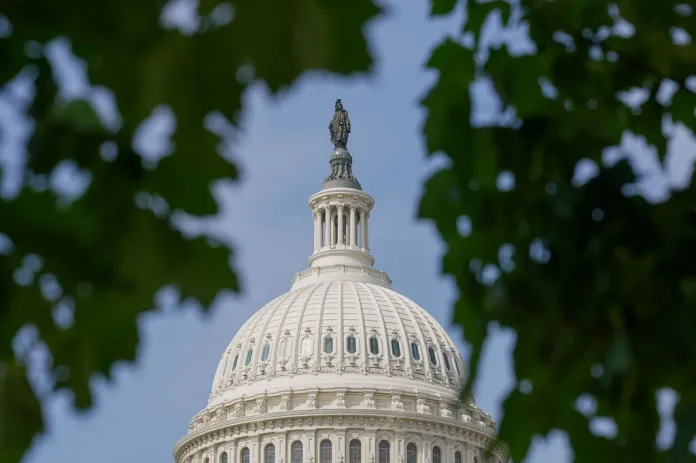
The House Administration Committee attempted to gather testimony Wednesday from the leader of ActBlue, the Democratic Party’s vital fundraising organ and a group I’ve investigated. The hearing was intended to consider allegations that the platform failed to prevent foreign donations from entering its system.
Unfortunately for Congress and the American people, ActBlue CEO Regina Wallace-Jones refused to answer the committee’s questions and invoked her Fifth Amendment Right to not self-incriminate.
Foreign actors should have no influence on our elections. House officials shouldn’t step on the brakes until they get answers.
Since its founding in 2004, ActBlue has raised nearly $19 billion for Democrat candidates and left-wing groups. That success has made the organization one of the most influential fundraising platforms in American politics. But with that influence comes an obligation to maintain rigorous safeguards and transparency. Unfortunately, ActBlue falls flat on both of those fronts.
For starters, the organization claims it does not allow donations from undisclosed sources, particularly foreign groups. Yet an internal investigation from The New York Times found that for years, ActBlue failed to adequately vet certain contributions from abroad, even when donor identities could not be fully verified.
The organization, for example, claims it requires passport information from donors who cannot be identified. But ActBlue’s own legal counsel raised concerns that it failed to obtain this information when users contributed through virtual payment apps such as Venmo, Paypal, and Apple Pay.
Pre-paid gift cards present another vulnerability. Because they can be purchased with cash and used anonymously, ActBlue claims it does not allow them on its platform. But my investigations — published after the group told Congress it had ended the practice — show that would-be donors have no problem sending money to ActBlue via anonymous gift cards.
What does this mean for U.S. elections? Foreign actors like Iran, China, or Russia could use alternative payment methods and fake identities to inflate funding for a specific candidate or party. Without airtight measures preventing anonymous payments, there’s no telling if, or how much, these foreign actors have contributed through this scheme.
ActBlue’s nonprofit affiliates have received additional scrutiny for how certain funds are reported. These affiliates — ActBlue Civics, a 501(c)(4), and ActBlue Charities, a 501(c)(3) — collect money that is distributed to various groups via a tax-reporting loophole that makes the money difficult to trace. ActBlue reported that $8.6 million was handled through this process in 2024 alone.
Representatives of ActBlue staunchly deny any wrongdoing. But given the group’s extreme response to scrutiny of its practices, its counterclaims hold little water. When ActBlue’s outside legal counsel sounded the alarm that the organization may have misled Congress, it responded by severing ties with its external lawyers. Soon, the group’s in-house attorneys sprinted for the exits, prompting its unions to send a “blistering” letter that demanded outside counsel be hired to investigate the “alarming” departures, The New York Times reported.
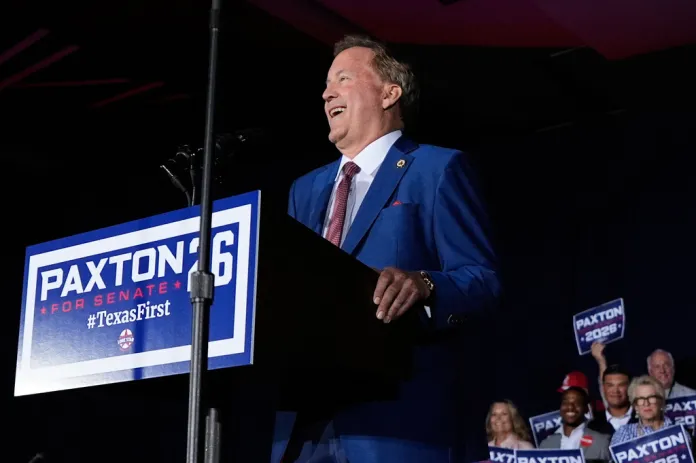
High-profile Republican leaders including Texas Attorney General Ken Paxton have investigated the allegations that ActBlue failed to police potentially improper donations. Instead of welcoming the inquiry, the group muddied the water with countersuits and accusations of political motivation.
Whether those allegations are ultimately proven to be true is for legal investigations and trials to determine. But the unanswered questions about one of the country’s largest political fundraising platforms should concern Americans who value public confidence in elections and oppose foreign interference.
No group should receive a hall pass simply because it is aligned with one political party. Congress — as the nation’s chief oversight body — has a responsibility to get answers. Wednesday’s hearing presented an opportunity to do just that. ActBlue refused to participate.
Parker Thayer is an investigative researcher at Capital Research Center in Washington, D.C.
" Conservative News Daily does not always share or support the views and opinions expressed here; they are just those of the writer."
*As an Amazon Associate I earn from qualifying purchases