Rob Reiner, 1947–2025
Deprecated: str_getcsv(): the $escape parameter must be provided as its default value will change in /var/www/html/breaking-news/wp-content/plugins/wp-auto-affiliate-links/aal_engine.php on line 361
Rob Reiner (1947-2025) was a prominent figure of teh “sitcom generation” of filmmakers, known initially for his Emmy-winning role as Meathead on the classic TV sitcom *All in the Family*. Transitioning from acting to directing, Reiner quickly distinguished himself as an innovative and self-reliant filmmaker rather than a studio conformist. He directed culturally significant and varied films such as *This Is Spinal Tap* (1984), *Stand By Me* (1986), *The Princess Bride* (1987), *Misery* (1990), and *A Few Good men* (1992), demonstrating his ability to handle different genres with depth and originality.
Reiner founded Castle Rock Entertainment, supporting independent filmmakers and contributing to cinema beyond his own works. Despite his sitcom roots and the legacy of his father, Carl Reiner, a famed comedian and director, Rob carved out his own unique path focused on meaningful storytelling rather than broad comedy alone. His later career included lighter romantic comedies, but his most acclaimed work stemmed from his adventurous and thoughtful choices. Tragically, Reiner and his wife Michele were found dead in 2025, and their son Nick, who struggled with mental health and substance abuse, was charged with their murders. Rob Reiner’s legacy remains significant for his contributions to film and television, his independent spirit, and his cultural impact.
Rob Reiner, 1947–2025
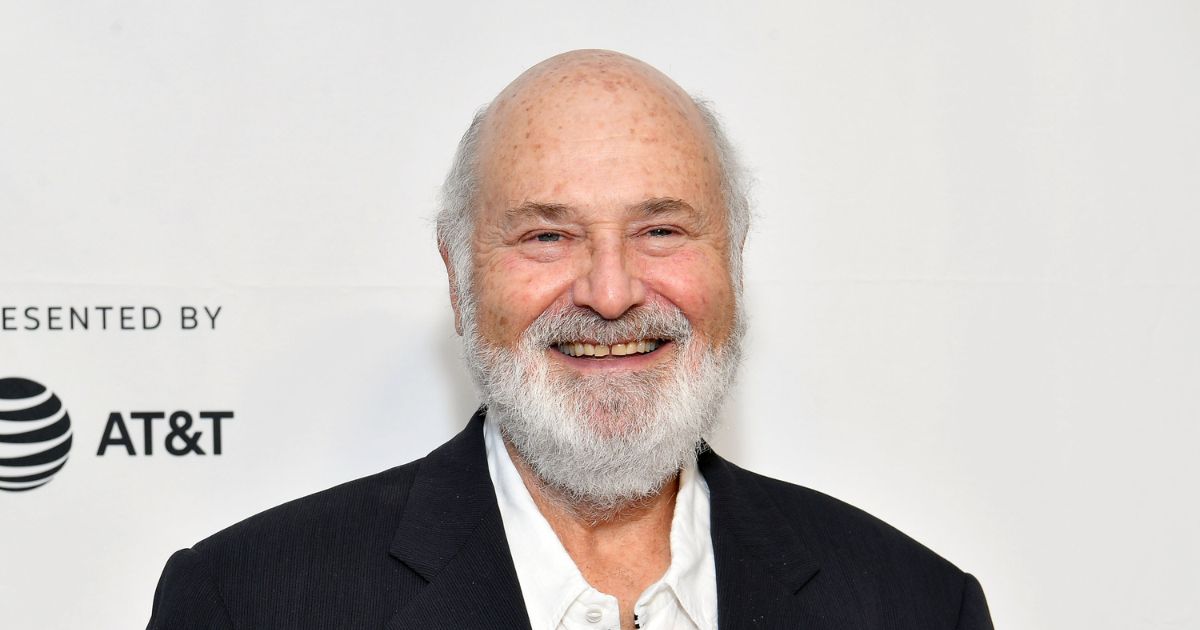
Rob Reiner was the leading light of what could be called the “sitcom generation” of filmmakers.
In the late 1970s and into the 1980s, a raft of former sitcom stars maneuvered their way into director’s chairs, including Ron Howard of Happy Days and Penny Marshall of Laverne and Shirley (also Reiner’s first wife). Reiner, of course, came to widespread attention for his Emmy-winning performance as Meathead, the repeater of liberal bromides on Norman Lear’s classic sitcom, All in the Family. Perhaps studio heads imagined that veterans of episodic television, in which directors were second-class citizens next to writers and producers, would be biddable rule-followers.
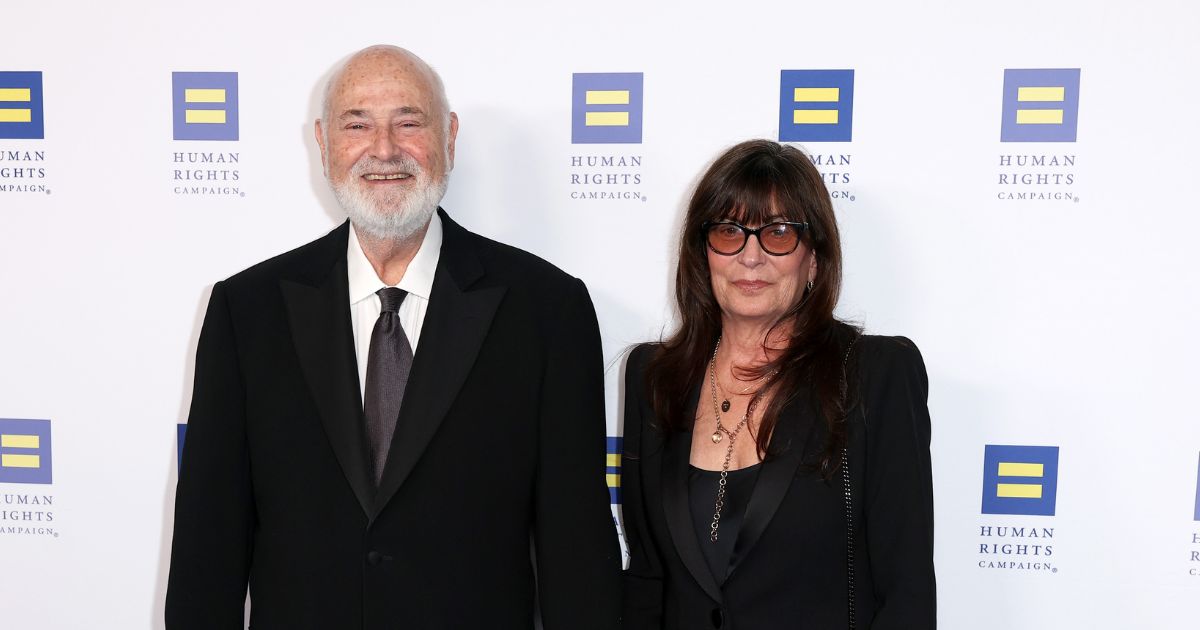
If that was the case, Hollywood guessed wrong in the case of Reiner, who, with his wife Michele Singer Reiner, was found dead on Dec. 14. In one of the more shocking, upsetting high-profile crimes in memory, the Reiner’s 32-year-old son, Nick Reiner, whose life has been littered with substance abuse and mental-health problems, was charged with his parents’ murders.
Far from being a compliant, go-along-to-get-along director, Rob Reiner immediately established himself as a trend-setter: Before he fashioned them into hits, movies such as the classic rock mockumentary This Is Spinal Tap (1984), the stark coming-of-age drama Stand By Me (1986), and the self-referential fairy-tale riff The Princess Bride (1987) were no one’s ideas of safe bets. That each was a success was a testament to the good taste of that era’s audiences and to their maker’s popular touch, but let no one call Rob Reiner a company man: from the start, he followed his own North Star — up to and including founding his company, Castle Rock Entertainment.
For Rob Reiner, the path to independence began with sloughing off the formidable legacy of his talented parents, Carl and Estelle Reiner. Carl Reiner made his own set of career leaps: After plying his trade as a writer on Caesar’s Hour and a performer in tandem with Mel Brooks (The 2000 Year Old Man), Carl Reiner created (and logged appearances on) The Dick Van Dyke Show. And, upon the completion of its iconic run in 1966, he found a fresh form of expression in directing. Yet Carl Reiner’s directorial endeavors, including The Jerk, Dead Men Don’t Wear Plaid, and The Man With Two Brains, each with Steve Martin, were proudly, undisguisedly goofy in a way that his son’s never were.
But first, Rob Reiner had to establish his own bona fides on television. As Meathead on All in the Family, he was the definition of a good sport. Although his character’s views were likely indistinguishable from his own left-leaning value system, he permitted himself to be the target of frequent comic denunciations by the show’s antihero, Archie Bunker (Carroll O’Connor).
In fact, Rob Reiner proved his willingness to be the butt of a joke by making his directorial debut in This Is Spinal Tap, about a heavy metal group whose badness is eclipsed only by their self-regard, where he did not exempt his on-screen character — vapid documentarian Marty DiBergi, who dons a ball cap in the manner of many a great director but whose greatness ends there.
Because of its mockumentary style, This Is Spinal Tap did not make a show of its directorial skill, but Rob Reiner’s third film, Stand By Me, certainly did. Based on Stephen King’s serious-minded novella, The Body, the film revolves around four boys (Wil Wheaton, River Phoenix, Corey Feldman, and Jerry O’Connell) who, in their youthful innocence, try to track down the corpse of a missing person. The boys assume their trek will be an adventure, which it is, but they find themselves chastened by their confrontation with death. “It was the first time I did a movie that really reflected my personality,” Rob Reiner told the Television Academy Foundation. “It was different from anything my father would have done.”
DRESS FOR SUCCESS: AN UNEXPECTED CALL FOR CIVILITY
Nor could Rob Reiner’s father have made The Princess Bride or the horrifyingly vivid visualization of a novelist’s deepest terrors, Misery (1990). With this set of films, Rob Reiner not only demonstrated his facility in moving between genres but his increasing moral weightiness: A Few Good Men (1992) will live forever on the strength of its “You can’t handle the truth” eruption between Navy lawyer Tom Cruise and Marine Col. Jack Nicholson, but even more compelling is the way in which Rob Reiner presented each side of the shouting match with respect.
Rob Reiner’s beloved 1989 romantic comedy, When Harry Met Sally, was, at the time, an aberration for him in its relatively lighthearted concerns, and that he settled into this mode in his later career is a cause for regret. Comedies such as The American President (1995), Alex & Emma (2003), and Rumor Has It (2005) are more than adequate, but the director was at his best when he followed his instincts for adventuresome material far from his sitcom heritage. He remained an appealing actor, in his own films (including his recent sequel, Spinal Tap II: The End Continues) and those helmed by others, such as Woody Allen’s Bullets Over Broadway (1994) and Martin Scorsese’s The Wolf of Wall Street (2013). His company, Castle Rock, provided the means for independent filmmakers to make some of their best work, including Whit Stillman’s Barcelona (1994) and Richard Linklater’s Before Sunrise (1995). It is a large and lasting legacy — one that he would have surely continued to build and build.
Peter Tonguette is a contributing writer to the Washington Examiner magazine.
" Conservative News Daily does not always share or support the views and opinions expressed here; they are just those of the writer."
*As an Amazon Associate I earn from qualifying purchases