Iran officials say protests are ‘over now’ after 4,000 killed
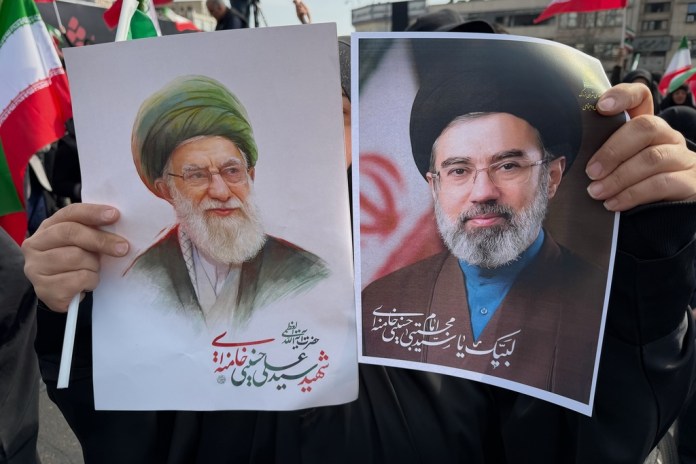
Iranian authorities said the 25-day anti-government protests are “over now,” prosecutor general mohammad Movahedi announced, after a harsh crackdown that left thousands dead. State television reported 3,117 fatalities, while the U.S.-based Human Rights Activists News Agency put the death toll at about 4,902 with roughly 26,000 arrests; some Iranian doctors and other sources estimate fatalities could be between 12,000 and 20,000. The government imposed a nationwide internet blackout beginning Jan.8 and has partially restored connectivity, but officials are exploring a permanent, whitelist-based internet that would restrict access to much of the global web. The unrest, which began Dec. 28 amid a collapsing economy and a sharply devalued rial, expanded into broader anti-regime protests with chants targeting Supreme Leader Ali Khamenei. The crisis has heightened tensions with the United States-President Trump warned of possible military action and said “help is on the way”-while Iranian leaders, including President Masoud Pezeshkian and Foreign Minister Abbas Aragchi, issued stern warnings that any aggression would be met forcefully. The situation remains marked by conflicting casualty figures, heavy details controls, and continued international concern.
Iran officials say protests are ‘over now’ after 4,000 killed
The Iranian government announced Wednesday that weeks of anti-government protests have come to an end after 25 days.
Mohammad Movahedi, Iran’s prosecutor general, announced that the “sedition is over now,” signaling the end of a movement that challenged the clerical regime’s authority for nearly a month.
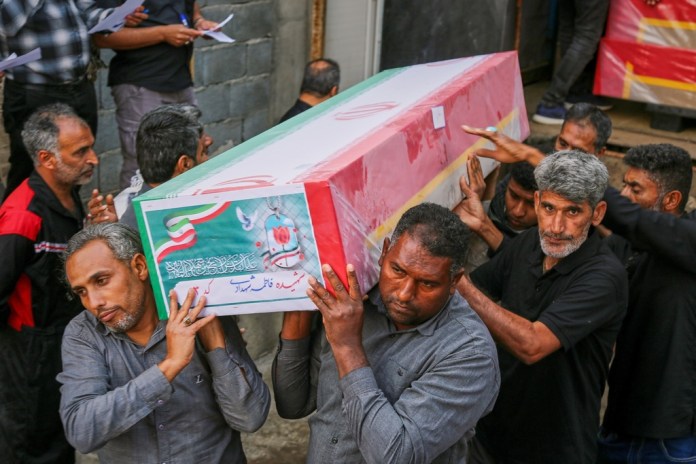
Iranian state television released its first death toll on Wednesday, reporting that 3,117 people were killed, adding that many were “civilians and security forces.”
However, the U.S.-based Human Rights Activists News Agency reported 4,902 fatalities and approximately 26,000 arrests.
Other reports, including data from Iranian doctors, suggest the actual death toll could range between 12,000 and 20,000.
The crackdown was accompanied by a nationwide internet blackout that began on Jan. 8, which authorities used to restrict the flow of information and disrupt protest coordination.
While some limited connectivity has returned, officials have warned that international web access may be restricted until March as the government explores a permanent “whitelist-based” internet model.
Whitelisting is a type of internet censorship that blocks much of the global internet and only allows access to select websites and apps.
The protests, which began Dec. 28, were initially triggered by a collapsing economy and the rapid devaluation of the Iranian rial. The movement quickly shifted into a broader rebellion against the nation’s leadership, including chants specifically targeting Supreme Leader Ali Khamenei.
The unrest further strained relations between Tehran and the Trump administration. President Donald Trump previously told demonstrators that “help is on the way” and warned of military action if the regime continued to use deadly force.
President Masoud Pezeshkian, typically regarded as a reformist and centrist figure within the regime, departed from his usual conciliatory tone to issue a stark warning to the U.S.
GREENLAND OFF-RAMP IS TRUMP’S LATEST NATO DE-ESCALATION
“Any aggression against the supreme leader of our country is tantamount to all-out war against the Iranian nation,” Pezeshkian said. He has continually blamed the U.S. for the hardships Iran is facing, including the protests.
Iranian Foreign Minister Abbas Aragchi warned that Iran would “fire back with everything we have” if attacked, specifically citing the recent deployment of a U.S. aircraft carrier group to the region.
" Conservative News Daily does not always share or support the views and opinions expressed here; they are just those of the writer."
*As an Amazon Associate I earn from qualifying purchases