GOP alternative to Obamacare subsidy extension could cut health insurance prices by 11%
Deprecated: str_getcsv(): the $escape parameter must be provided as its default value will change in /var/www/html/breaking-news/wp-content/plugins/wp-auto-affiliate-links/aal_engine.php on line 361
The article discusses a split among House Republicans regarding the extension of enhanced Obamacare tax credits,which are set to expire at the end of 2025. Four Republican lawmakers joined Democrats in pushing for a three-year extension of these subsidies, defying the GOP leadership. This move is controversial because Senate Republicans and former President Trump are unlikely to support it, and it contradicts a separate GOP healthcare bill passed by the house that aims to reduce health insurance costs by addressing supply-side issues through deregulation rather than extending costly subsidies.
The nonpartisan Congressional Budget Office (CBO) estimates that extending the enhanced subsidies would cost $83 billion through 2030, with only a modest 3% reduction in gross premium prices by the final year. Critics argue that the subsidies have led to widespread improper enrollment and benefit large insurers disproportionately.
In contrast, the GOP option aims to lower premiums by an average of 11% over the next decade without additional government spending and would reduce the federal deficit by $35.6 billion. The Republican plan focuses on deregulation, increasing price clarity, and expanding health plan options to make insurance more affordable, especially for healthy and younger individuals.The article views the defection of the four republicans supporting the extension as a betrayal of conservative principles and a missed opportunity to tackle healthcare costs more effectively.
GOP alternative to Obamacare subsidy extension could cut health insurance prices by 11%
After 15 years of Republican railing against the Affordable Care Act, GOP lawmakers have it on the ropes. But four House Republicans are trying to help prop it up.
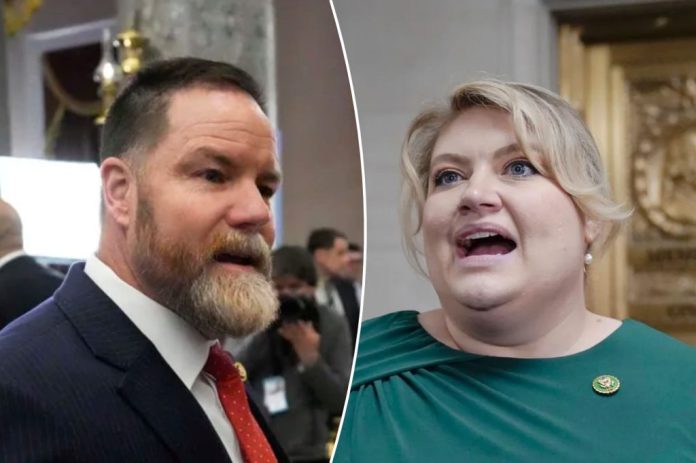
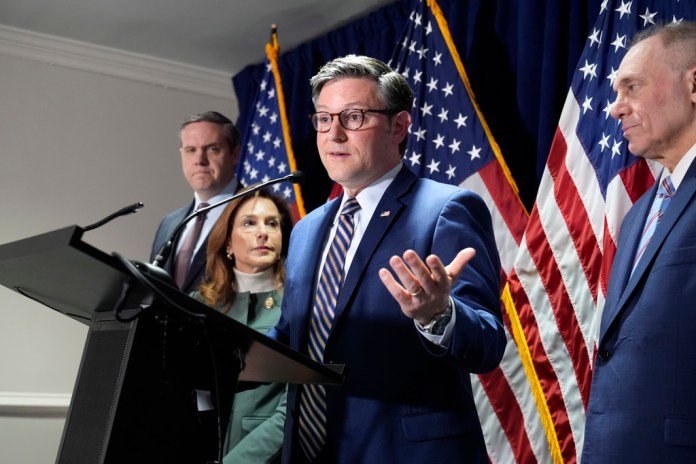
The Republican quartet joined Democrats Dec. 17 to force a House vote on a straight three-year extension of the enhanced Obamacare tax credits, which will expire on Dec. 31. A Democratic-led discharge petition — effectively an end-run around the majority party’s wishes — drew signatures from Reps. Rob Bresnahan (R-PA), Brian Fitzpatrick (R-PA), Mike Lawler (R-NY), and Ryan Mackenzie (R-PA). House Speaker Mike Johnson (R-LA) acknowledged “it’s inevitable” the discharge petition will come up when lawmakers return in early 2026.
None of this means it would become law even if passed by the House. Senate Republicans, holding the majority, can reject it. And even if it got to President Donald Trump’s desk, he could veto it.
Which makes it all the more surprising these House RINOs signed on to the Democratic ACA subsidy effort, aimed at keeping in place a program enacted during Joe Biden’s presidency and a Democratic-majority Congress.
Trump had successfully called the Democratic Party’s bluff when Senate Minority Leader Chuck Schumer (D-NY) tried and failed to force the president to extend the enhanced subsidies to end the longest government shutdown in the nation’s history. Yet, since then, rogue House Republicans have been keen to snatch defeat from the jaws of victory.
The RINO revolt would be bad enough on its own. Considering that Johnson actually got a separate GOP proposal that addressed the supply-side causes of healthcare prices across the finish line, the RINO defection is a betrayal of common sense.
The GOP House healthcare bill passed 216-211. Though it’s highly unlikely to clear the Senate, the provisions offer a road map on how to actually reduce healthcare costs. Particularly compared to the House Democratic-plus-four-Republican bill awaiting a vote in January.
The nonpartisan Congressional Budget Office found that a three-year rubber stamp to extend the enhanced subsidies would cost $83 billion through the end of this decade. And by the final year of the extension, when Democrats surely demand a third extension, the CBO estimates that gross premium prices — that is, the real cost of insurance before subsidies — would be only 3% lower than they would be otherwise.
Even so, there is ample reason to believe that the CBO is overly generous in this projection. As a recent report by the Government Accountability Office found, taxpayers are giving big insurers an average of $12,300 per month for every fraudulent ACA “customer” who theoretically shouldn’t be filing any claim to their plan. All in all, the Paragon Institute estimates that the enhanced subsidies led to more than 6 million improper cases of ACA enrollment.
By contrast, the House Republican leadership’s bill aims to lower prices through deregulation. It would roll back the regulations that effectively banned low-premium, catastrophic coverage while reducing the burdensome subsidies charged to healthy and disproportionately young customers who are struggling the most with affordability. The bill would also impose more price transparency mandates on Pharmacy Benefit Managers and allow expanded Association Health Plans.
Without spending a single extra cent on the expiring ACA subsidies, the Johnson plan would reduce gross benchmark premiums by an average of 11% over the next 10 years, according to the CBO. The plan would also reduce the federal budget deficit by $35.6 billion through the next decade.
REPUBLICAN REBELS HAND JEFFRIES BIG WIN BY FORCING VOTE ON OBAMACARE EXTENSIONS
Four Republicans will allow the entire opposition to hold the federal government hostage once more over just a fraction of the 7% of the country that’s enrolled in the ACA Marketplace. The GOP could be better off trying to induce healthcare supply, not demand, to reduce prices for the rest of the 93%, not the select few dependent on tens of billions of dollars being thrown at the dying husk of the Unaffordable Care Act.
" Conservative News Daily does not always share or support the views and opinions expressed here; they are just those of the writer."
*As an Amazon Associate I earn from qualifying purchases