Chief Justice Roberts prioritizes independent branches in report
Chief Justice John Roberts used his 2025 year‑end report to stress the importance of an autonomous judiciary, praising constitutional protections such as life tenure and salary security that allow judges to act as a countermajoritarian check on the other branches.Reflecting on the nation’s founding and the Declaration of Independence ahead of its 250th anniversary, Roberts urged judges to decide cases impartially and uphold their oaths. The report comes after a year of high‑profile clashes between federal courts and the Trump administration, which saw several administration actions paused or struck down; Roberts did not directly name those disputes but emphasized judicial independence. The federal judiciary is expected to remain busy in 2026, with the Supreme Court slated to decide major cases on “liberation Day” tariffs, the president’s power to fire independent agency heads, and an executive order on birthright citizenship.Ongoing lower‑court litigation over immigration policies and the temporary deployment of the National Guard to several cities will continue to play out,and new suits-such as one over a planned White House ballroom-are emerging. The piece also notes upcoming milestones for Justices Samuel Alito and Clarence Thomas.
Chief Justice Roberts stresses importance of judicial independence ahead of busy 2026
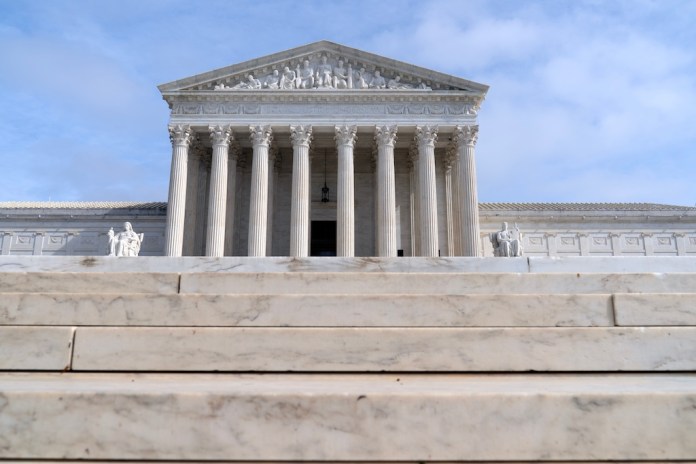
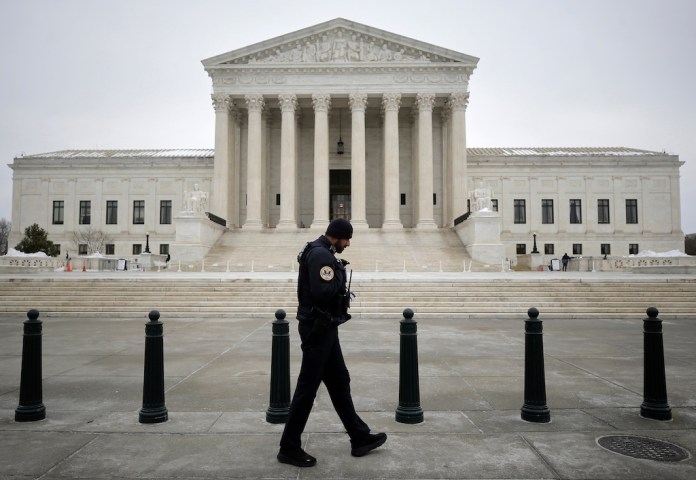
As federal courts are slated to face a busy 2026 with several high-profile cases at all levels, Chief Justice John Roberts reflected on 2025 by stressing the importance of the judiciary remaining independent from the other branches of government.
The chief justice released his annual end-of-year report on the judiciary late Wednesday, after a busy year where federal courts made headlines over clashes with the Trump administration during its first year back in office. Over the coming months, the Trump administration is expected to face more legal battles in various federal courts over hotly contested policies in what is expected to be another busy year for the judiciary.
Roberts lauds importance of an independent judiciary to end 2025
Roberts spent most of his end-of-year report discussing the history of the country’s founding and the Declaration of Independence ahead of its 250th anniversary in July.
When discussing the judiciary and courts themselves, the chief justice touched on the importance of keeping the branch independent from the executive and legislative branches. Roberts also celebrated how the Constitution insulates the judiciary from the other branches, not being at the will of the executive.
“The Constitution corrected this flaw, granting life tenure and salary protection to safeguard the independence of federal judges and ensure their ability to serve as a counter-majoritarian check on the political branches. This arrangement, now in place for 236 years, has served the country well,” Roberts said in his report published Wednesday evening.
In 2025, federal courts struck down and halted several Trump administration policies and actions, leading to vocal frustration from President Donald Trump and other officials in the administration. While Roberts avoided directly discussing these clashes, he did tell the judicial branch that, going into the next year, it must continue to work independently from the other branches in their duties.
“Those of us in the Third Branch must continue to decide the cases before us according to our oath, doing equal right to the poor and to the rich, and performing all of our duties faithfully and impartially under the Constitution and laws of the United States,” Roberts wrote.
Federal courts expected to remain busy in 2026 as Trump administration faces avalanche of lawsuits
While 2025 was dominated by lawsuits against the Trump administration in district courts and at preliminary stages, the coming year is already slated to have several high-profile matters decided at the Supreme Court.
The Trump administration is awaiting decisions in the coming months from the Supreme Court over the president’s sweeping “Liberation Day” tariffs and the president’s ability to fire independent agency heads, after oral arguments at the end of 2025. Another key Trump policy, his executive order over birthright citizenship, will have oral arguments at the high court in the coming months, with decisions in all three cases expected by the end of June.
In lower federal courts, clashes over immigration and other Trump policies continue to work their way through the district and appeals courts. The legal battles over the deployment of the National Guard in Los Angeles, Chicago, and Portland are expected to wind down. The president announced he would withdraw troops from those cities shortly after the Supreme Court dealt Trump a major loss on the emergency docket in December 2025.
LOWER COURT CLASHES WITH THE SUPREME COURT ARE EXPLODING
As the Trump administration continues to move forward with different policies and actions in the coming year, lawsuits are also expected to follow. The latest legal battle brewing in a federal district court in Washington, D.C., deals with the president’s planned ballroom for the White House.
While headlines out of the judiciary in the coming year are expected to be dominated by lawsuits and rulings over Trump administration actions, two Supreme Court justices are slated to hit major milestones this year. Justice Samuel Alito will mark 20 years on the high court at the end of January, while Justice Clarence Thomas will become the second-longest serving justice in the high court’s history in May.
" Conservative News Daily does not always share or support the views and opinions expressed here; they are just those of the writer."
*As an Amazon Associate I earn from qualifying purchases