Alito asks if support of KKK could be enough to remove Fed governor
The Supreme Court heard emergency arguments in Trump v. Cook over whether President Trump may remove Federal Reserve Governor Lisa Cook while she challenges her firing “for cause.” Justice Samuel Alito pressed Cook’s lawyer Paul Clement with hypotheticals – including past nondisclosure agreements over sexual misconduct and videos expressing admiration for Hitler or the Ku Klux Klan – asking whether such conduct would justify removal; clement maintained those scenarios would more likely lead to impeachment than removal “for cause.” Solicitor General D. John Sauer urged the court to allow the firing, but justices expressed skepticism of both sides’ positions and of how broadly “for cause” should be defined.Trump fired Cook in August after FHFA Director Bill Pulte alleged she misrepresented primary residence claims on mortgage applications and referred the matter to the DOJ; lower courts have allowed Cook to remain in her seat while litigation proceeds. The case ties into broader questions about presidential removal powers and comes as the Court is also considering the related Slaughter case on independant-agency removals.
Alito asks if past support of Hitler or the KKK could be enough to remove Fed governor
Justice Samuel Alito grilled Federal Reserve governor Lisa Cook’s lawyer over what would be a sufficient reason for a president to remove someone from the central bank, including whether past support of Adolf Hitler would qualify.
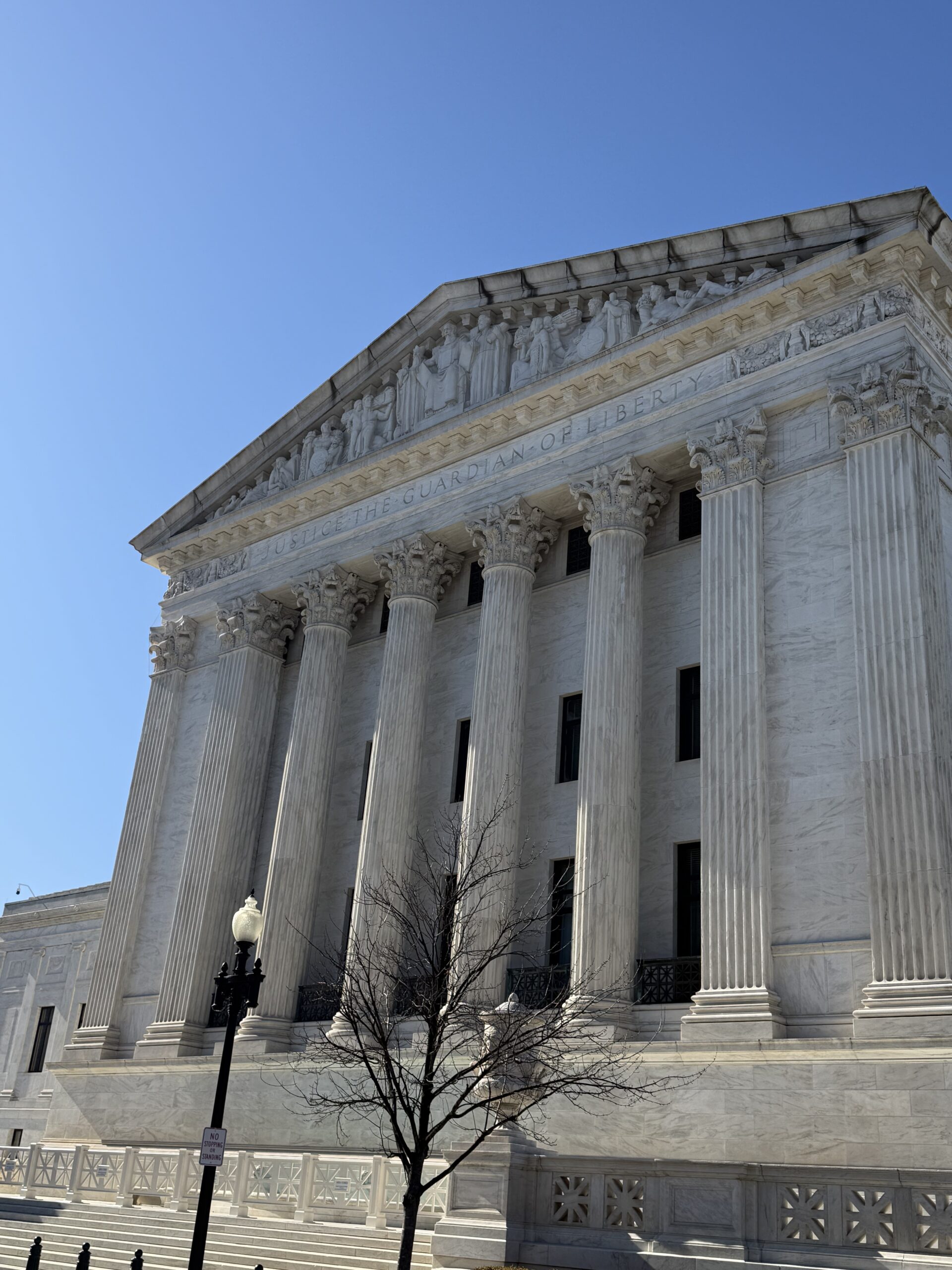
The Supreme Court heard arguments on Wednesday in the emergency docket case Trump v. Cook, evaluating whether to allow Cook to be fired or reinstated while her lawsuit challenging her purported firing “for cause” continues to work its way through lower federal courts. The justices were skeptical of Solicitor General D. John Sauer’s arguments for allowing Trump to fire Cook, but they also expressed concern over arguments by Paul Clement, Cook’s lawyer, limiting the scope of what could be considered “cause” to remove a Fed officer.
Alito asked Clement a series of hypothetical questions about when Clement believed a president would have sufficient cause to remove a Fed governor. The justice’s first hypothetical was if the person in question was “permitted to resign from a previous job under a nondisclosure agreement based on a long and egregious pattern of sexual misconduct,” to which Clement said that would not be enough to justify “for cause” removal.
“I’m going to stick to my front-line position, then that would not be for cause. It would certainly be a basis for impeachment,” Clement said, to which Alito responded with another hypothetical.
“How about if, after the person assumes office, videos are disclosed in which the office-holder is expressing deep admiration for Hitler or for the [Ku Klux] Klan?” Alito asked.
Clement stood by his position that even those hypothetical videos would not provide a valid “cause” for removal, joking that he “can only imagine where these [hypotheticals] are going to eventually go.”
“I’m going to stick with my position, and I’m going to say that’s an official that would be impeached in a heartbeat, and the fact that they would be impeached in a heartbeat is going to cause them to resign in half a heartbeat,” Clement said.
Trump fired Cook in August, citing allegations by Federal Housing Finance Agency Director Bill Pulte that, in 2021, Cook claimed two different homes as her primary residence to secure more generous loan terms. Pulte referred her to the Justice Department for mortgage fraud. A district court ruled in September that Cook could remain in her post while litigating the firing, a ruling upheld by an appeals court that is now before the high court.
Both Cook and Fed Chairman Jerome Powell were in attendance for Wednesday’s oral arguments, which marked the latest battle in Trump’s war with the Fed. The emergency docket case is also just the latest instance of the justices reviewing the president’s removal powers.
TRUMP’S BATTLE WITH THE FEDERAL RESERVE FACES SUPREME COURT TEST
In December, the high court heard arguments in Trump v. Slaughter, which concerns the president’s ability to fire independent agency heads at will, excluding the Fed, which both parties conceded was unique in its structure.
The Supreme Court is expected to issue a ruling in the Slaughter case, which is on the merits docket, by the end of June, but could issue a ruling in the Cook case, which is on the emergency docket, much sooner.
" Conservative News Daily does not always share or support the views and opinions expressed here; they are just those of the writer."
*As an Amazon Associate I earn from qualifying purchases